

Natural Ponds
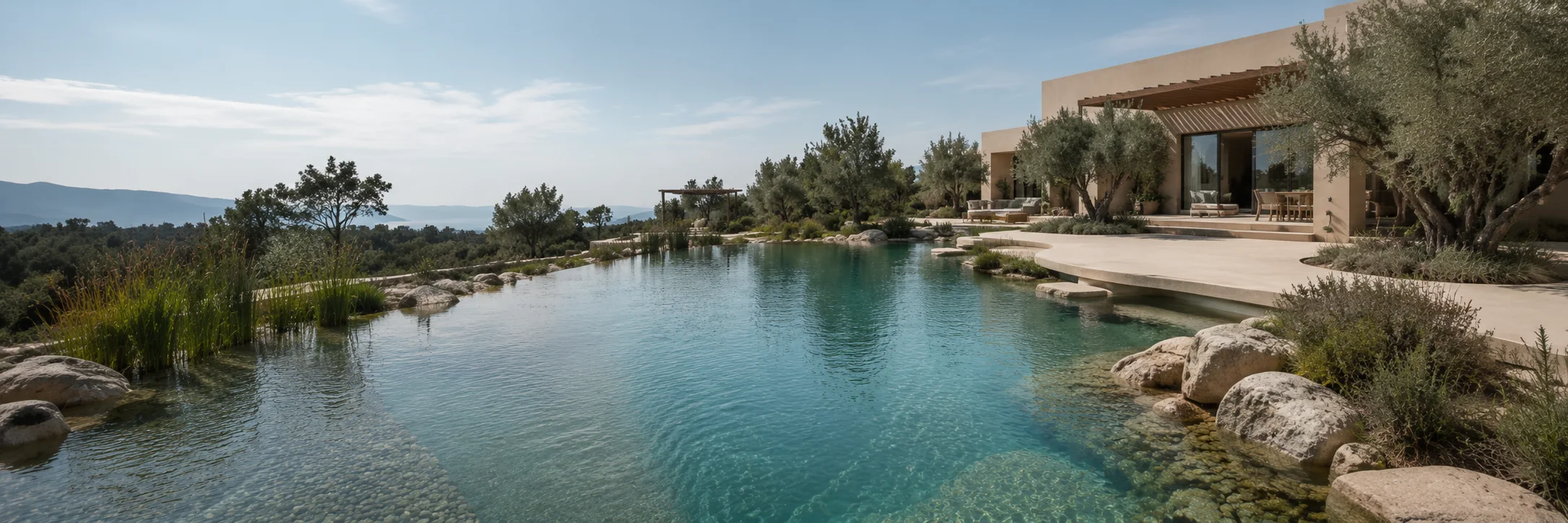
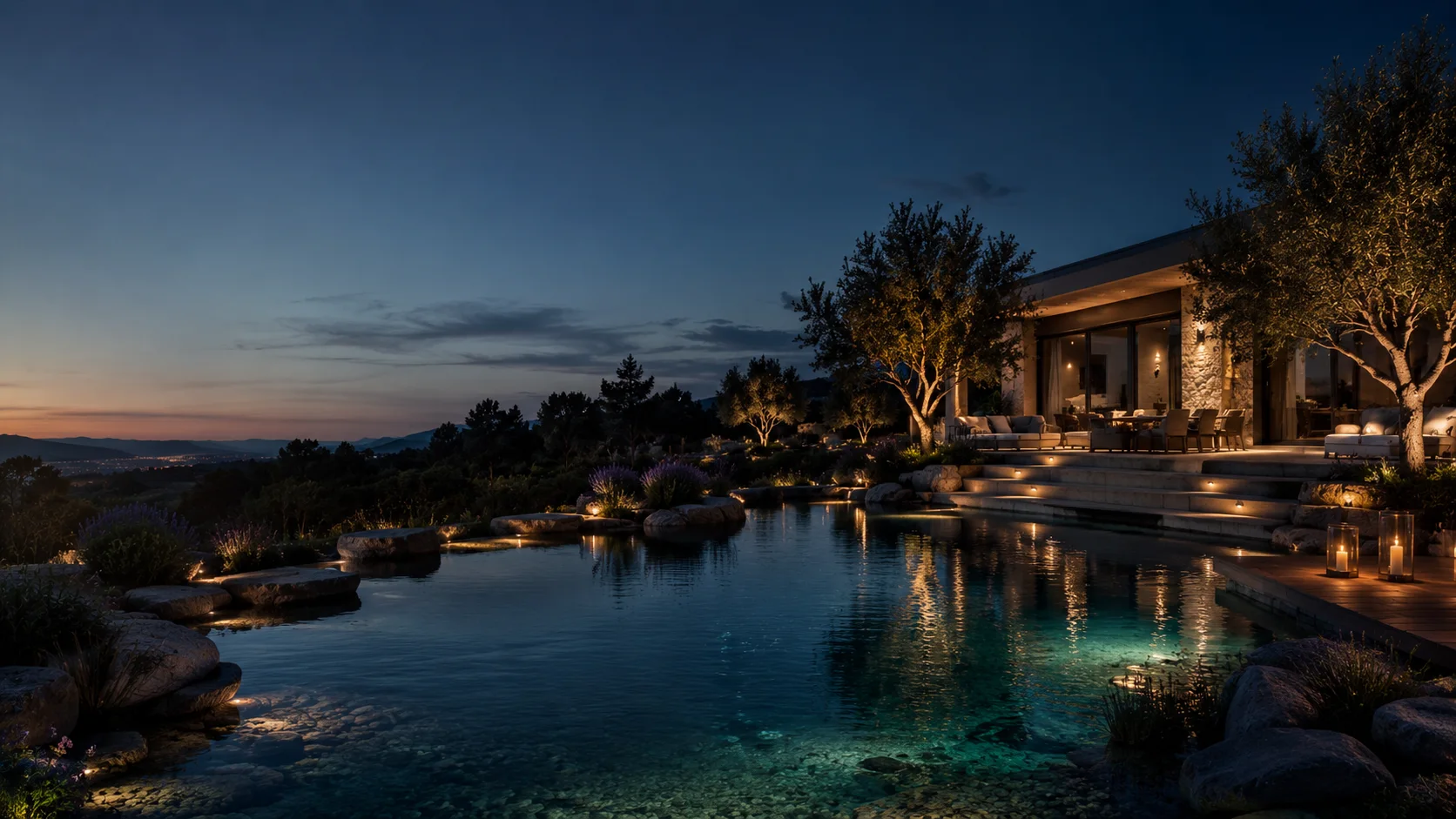
Natural-look pond and bio-pool designs.
Çilek Havuz in Numbers
We turn nature's own purifying power into swimmable water through engineering discipline.
- 33+
- Years
- 14
- Export
- 500+
- Projects
Natural Ponds — Frames from Our Projects
Frames from Our Projects
06 media
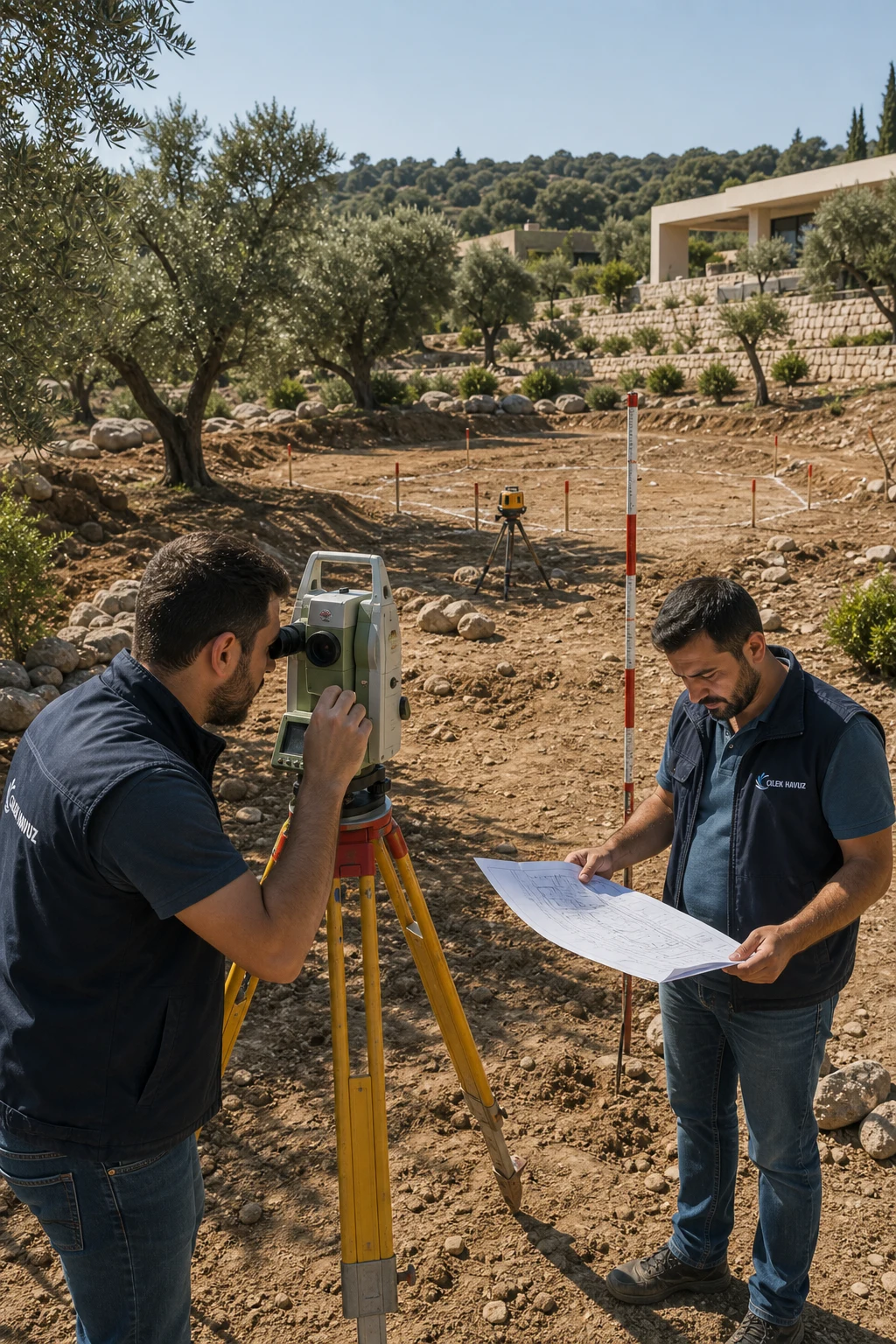
A natural pond begins with the land itself. Our technical team examines the structure of the ground, the fall, the groundwater conditions and the distribution of sun and shade through the day on site, then establishes the right position for the swimming and purification zones.
On the same visit, the water supply, the electrical connection and the leaf load from the surrounding trees are assessed; each of these has a direct bearing on how long the balance you are about to build will hold.
- Ground and groundwater survey
- Site fall and level measurement
- Sun and shade distribution
- Surrounding trees and leaf load
- Water supply source
- Access to the electrical supply
- Intended use (swimming / landscape)
- Preliminary budget frame
Do not underestimate shade
In a pond that sits in full shade all day the plants work poorly; in constant full sun the water warms and feeds algae. Choosing the right position resolves half the purification before excavation has even started.
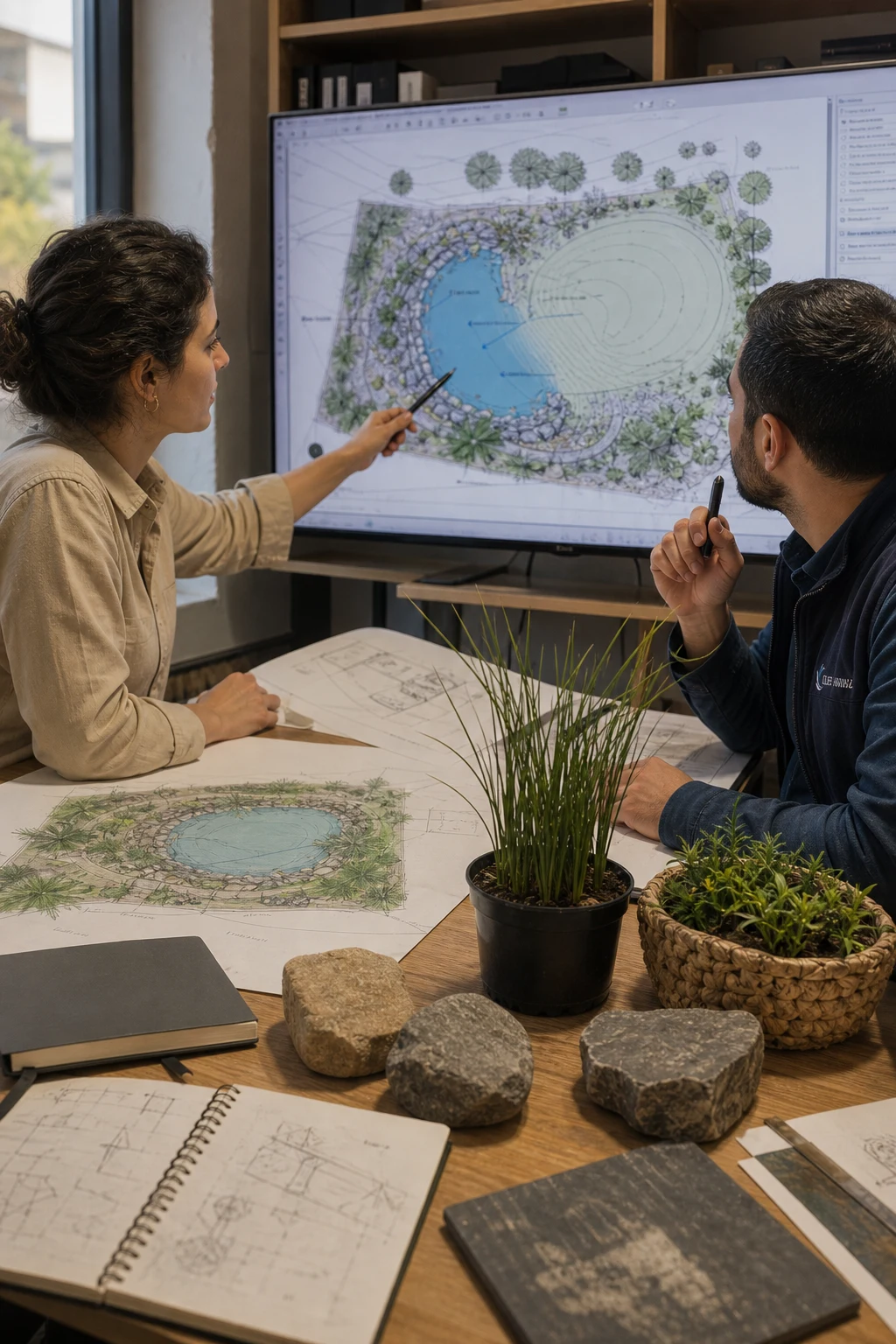
A pond is built on two zones: the swimming zone that holds the clear water, and the regeneration zone that purifies it through the balance of plants and microorganisms. The ratio between the two, the depth stages and the direction of water movement are all calculated within the project.
The depth profile is drawn in tiers; the shallow shoreline bands are given over to planting, the deep central volume to swimming. The design is presented as a 3D visual, and the plant list is settled according to the climate.
- Swimming zone dimensions
- Regeneration zone ratio
- Depth stages and terraces
- Water transfer and return directions
- Shoreline and entry points
- Climate-appropriate plant list
- Natural stone and landscape language
- 3D visual and project approval
The ratio is the pond's insurance
A pond whose purification zone is kept small starts fighting cloudiness and algae within a few seasons. Getting the zone ratio right at the outset is a decision no equipment can make good later on.
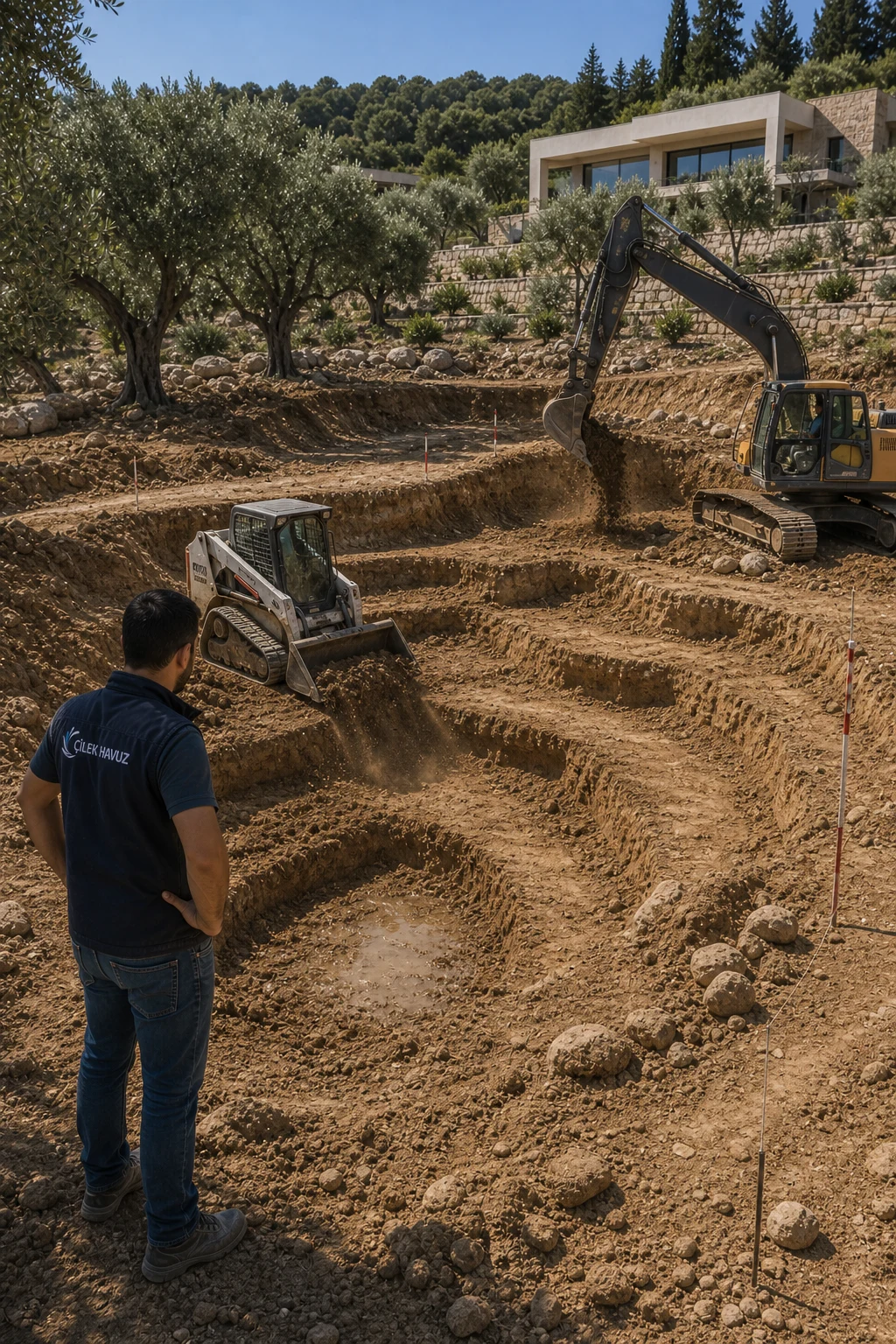
Excavation follows the depth profile in the design, in tiered terraces; each terrace serves both as a planting bed and as a safe step. Part of the excavated soil is reused in shaping the shoreline.
The ground is cleared of sharp stones, roots and fill debris, and the surface the membrane will sit on is compacted and levelled. Surrounding levels are set so that rainwater cannot run into the pond uncontrolled.
- Tiered terrace excavation
- Checking the depth levels
- Clearing sharp stones and roots
- Ground compaction
- Surrounding levels and rainwater direction
- Making use of the excavated soil
- Technical chamber pit
- Excavation approval and record
Terraces are not decoration
A pit with steep sides gives plants no bed and people no safe way out. Tiered terracing carries both the ecosystem and the safety of swimming.
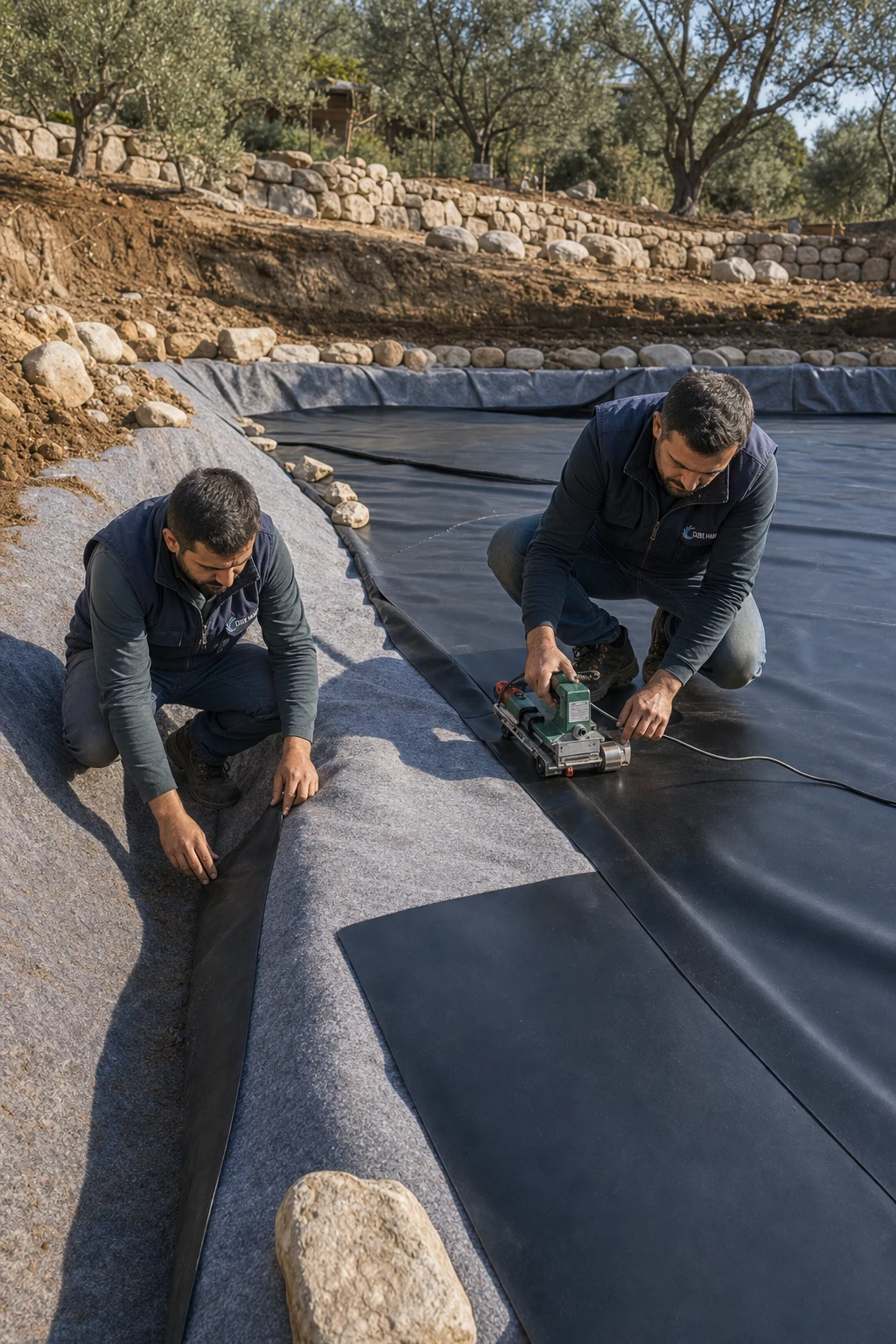
Waterproofing is achieved by laying a protective geotextile felt over the ground and applying a flexible membrane made for ponds, with welded seams. On suitable ground, compacted natural clay is an alternative.
The membrane edges are concealed along the shoreline with bands of stone and planting; what remains visible on the surface is natural texture, not plastic.
- Laying the geotextile protection
- Membrane selection and laying
- Welding and testing the seams
- Edge fixing details
- Compacted clay alternative
- Pipe and skimmer penetration seals
- Concealing the membrane at the shoreline
- Waterproofing check
A single hole carries the whole pond
One overlooked hole in the membrane means water loss, shoreline settlement and a broken balance. The care taken on the day of laying is an assurance that stays invisible for years.
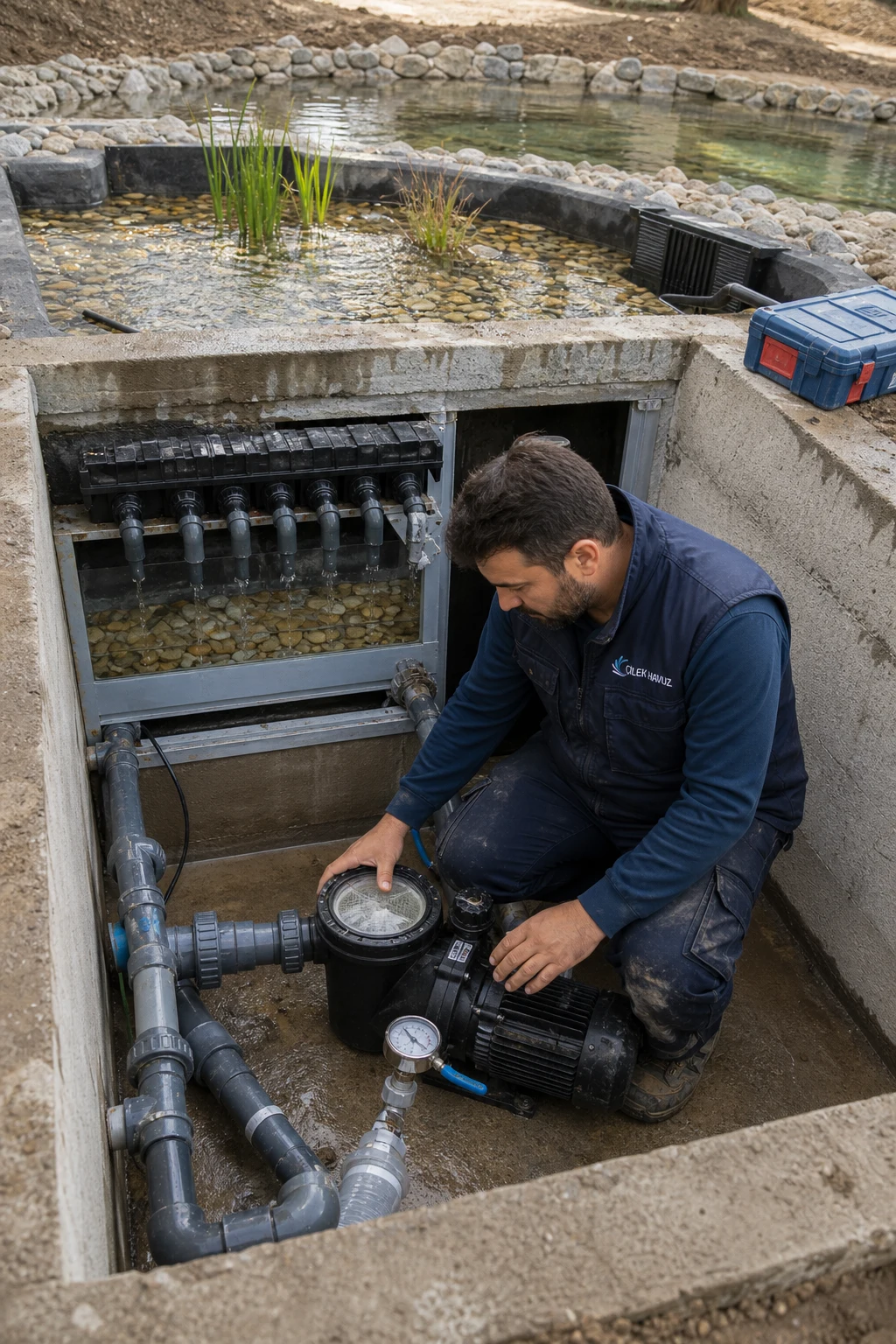
Water is drawn from the swimming zone by low-speed, economical pumps, carried to the gravel-bedded regeneration zone and returned after filtering through the colonies of beneficial bacteria on the surface of the plant roots. This invisible biofilm layer is the real worker in the purification.
A skimmer is planned for surface debris and a vacuum line for the floor; leaving no stagnant corner is the central aim of the circulation design.
- Low-speed pump selection
- Gravel bed and filter layers
- Water intake and discharge points
- Skimmer and surface cleaning
- Floor vacuum line
- Stagnant corner check
- Pipe routes and valves
- Technical chamber layout
Still water is an invitation
Every corner left motionless offers algae a foothold and mosquitoes a breeding ground. A design that keeps water moving at every point is the real measure that takes the place of chemicals.
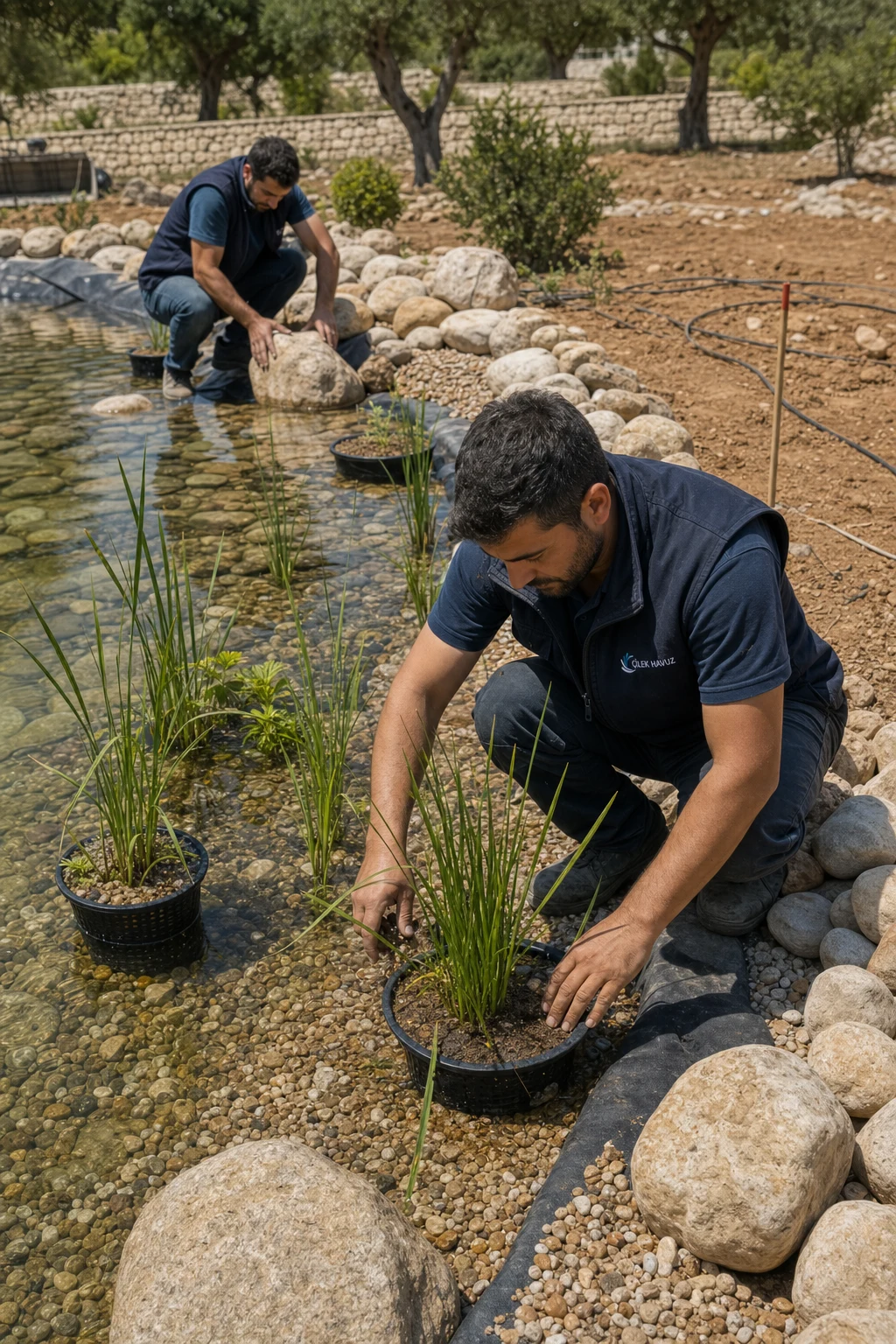
The regeneration zone is planted with a mix of marsh plants, deep-water plants and surface plants, chosen for the climate, that purify the water. Each species consumes the surplus nutrients in the water and reduces the share left for algae.
The shoreline is shaped with natural stone, gravel beach bands and soft transitions. The pond reads as a continuation of the garden rather than an addition to it.
- Marsh plant selection
- Deep-water and surface plants
- Planting baskets and substrate
- Shoreline stone and beach band
- Entry step / jetty detail
- Balance of planting density
- Landscape lighting (option)
- Planting approval
Plants are a system, not decoration
In a pond, plants are there because they consume the nutrients in the water, not because of how they look. A zone built with the wrong species turns into a planter that purifies nothing.
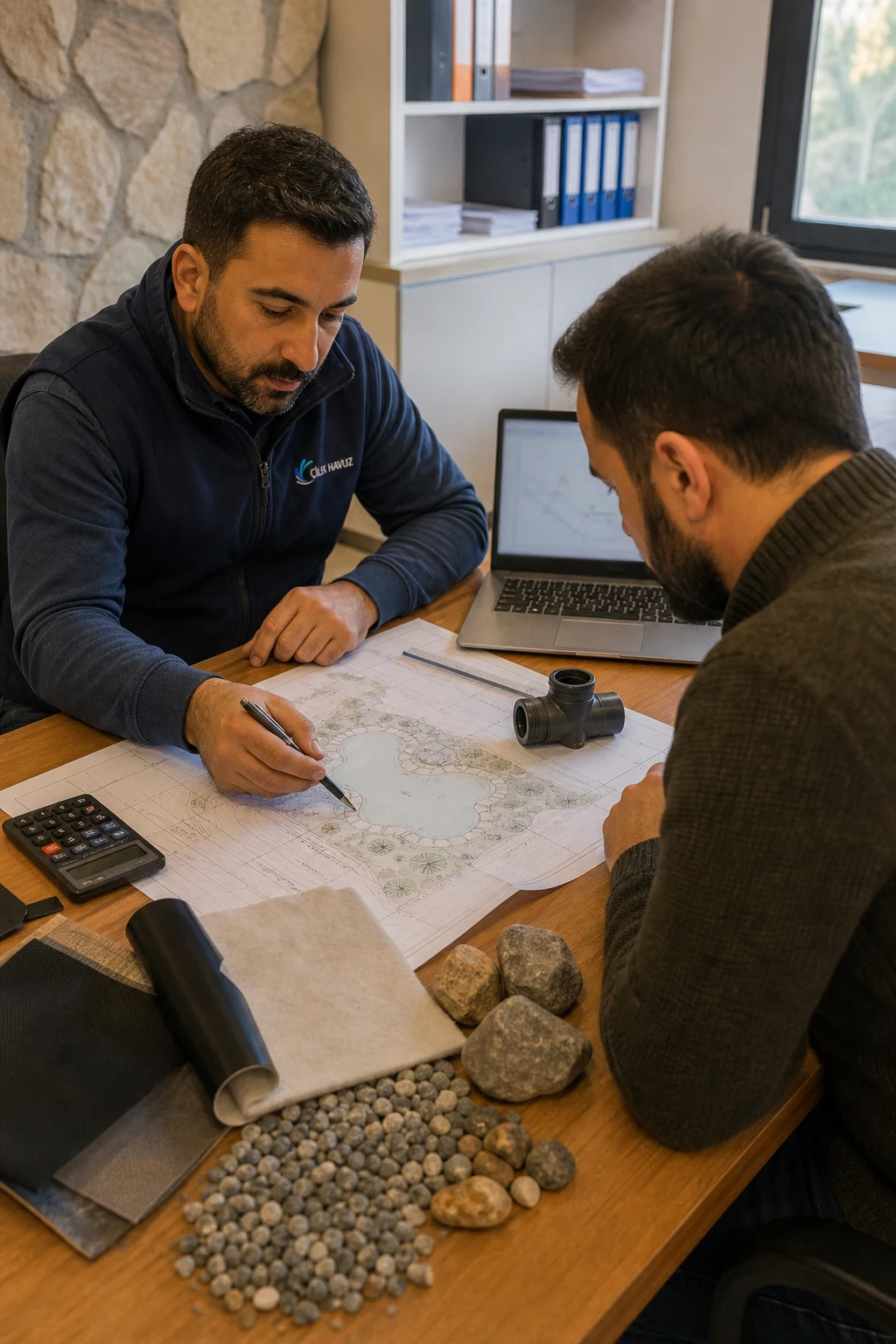
The cost of a pond is shaped by the total water surface, the excavation volume, the grade of membrane and the extent of the landscaping. Unlike a conventional pool, the chemical and energy items are low while the planting item is substantial.
After the site survey, every item is presented in writing with the reasoning behind it; we show clearly which part of the initial investment is recovered in operation.
- Water surface and excavation volume
- Membrane grade and quantity
- Pump and circulation item
- Planting and substrate item
- Natural stone and landscaping scope
- Technical chamber and electrics
- Operating cost projection
- Itemised written quotation
The price of a cheap membrane
The hardest item to change in a pond is the membrane beneath the water. Money saved here comes back a few years later as emptying the pond and laying it again.
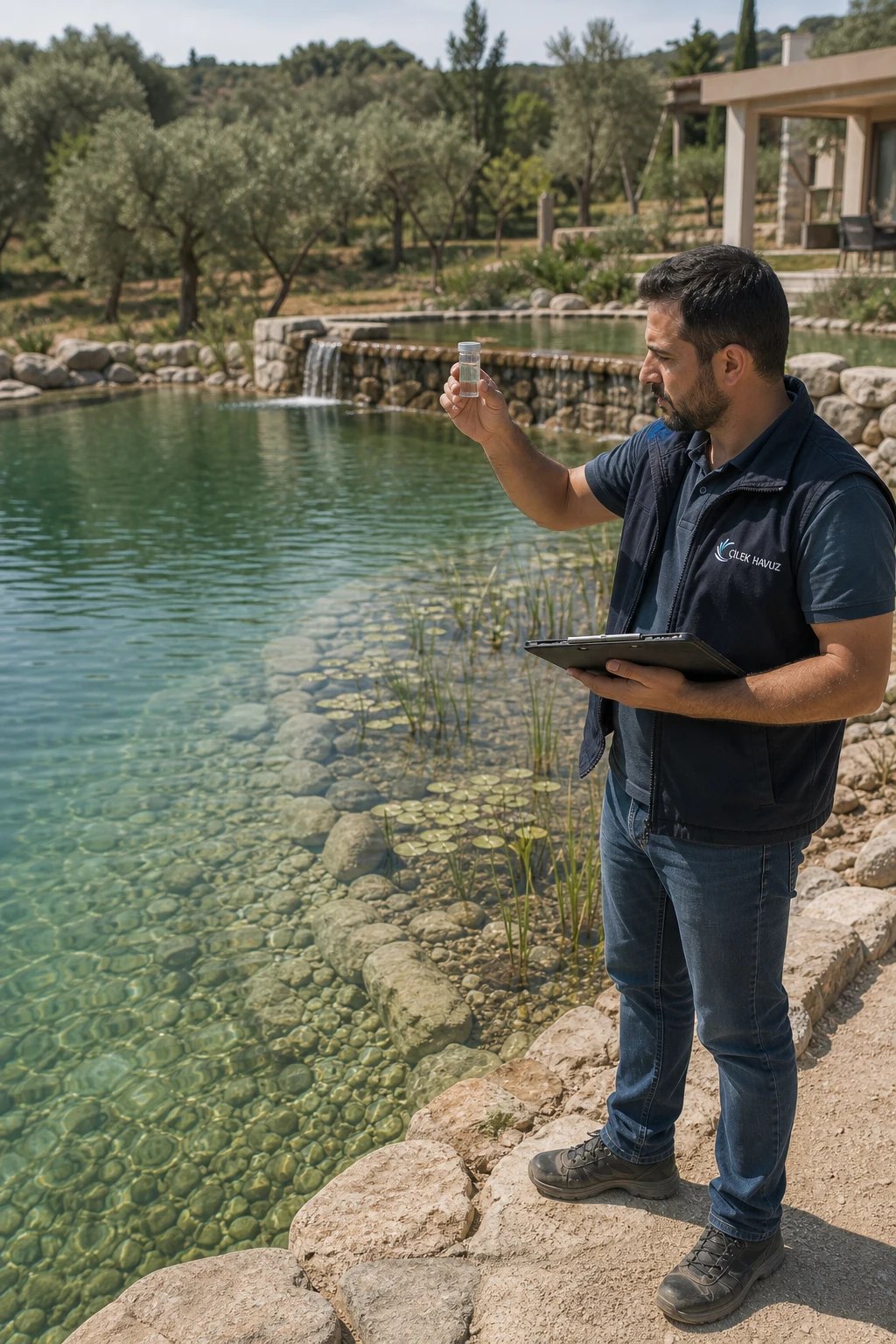
Once the pond meets water, the biological balance needs a maturing period to settle in; plants put down roots and colonies of beneficial bacteria establish themselves. The temporary cloudiness seen during this period is natural and calls for no intervention.
At handover we set up the maintenance routine together: surface cleaning, plant care and checks at the turn of the season. We keep monitoring the balance through the first season.
- Filling in stages
- Pump and flow test
- First balance observation
- Monitoring cloudiness
- Checking plant establishment
- Maintenance routine training
- Seasonal transition guide
- Handover record
A pond is not finished on opening day
A conventional pool is ready on the day it is handed over; a pond is a living system that goes on maturing after handover. A first season spent patiently sets the clarity of the years that follow.
In their own words,their own stories
From corporate facilities to villa projects — short story videos from the names who trusted us.
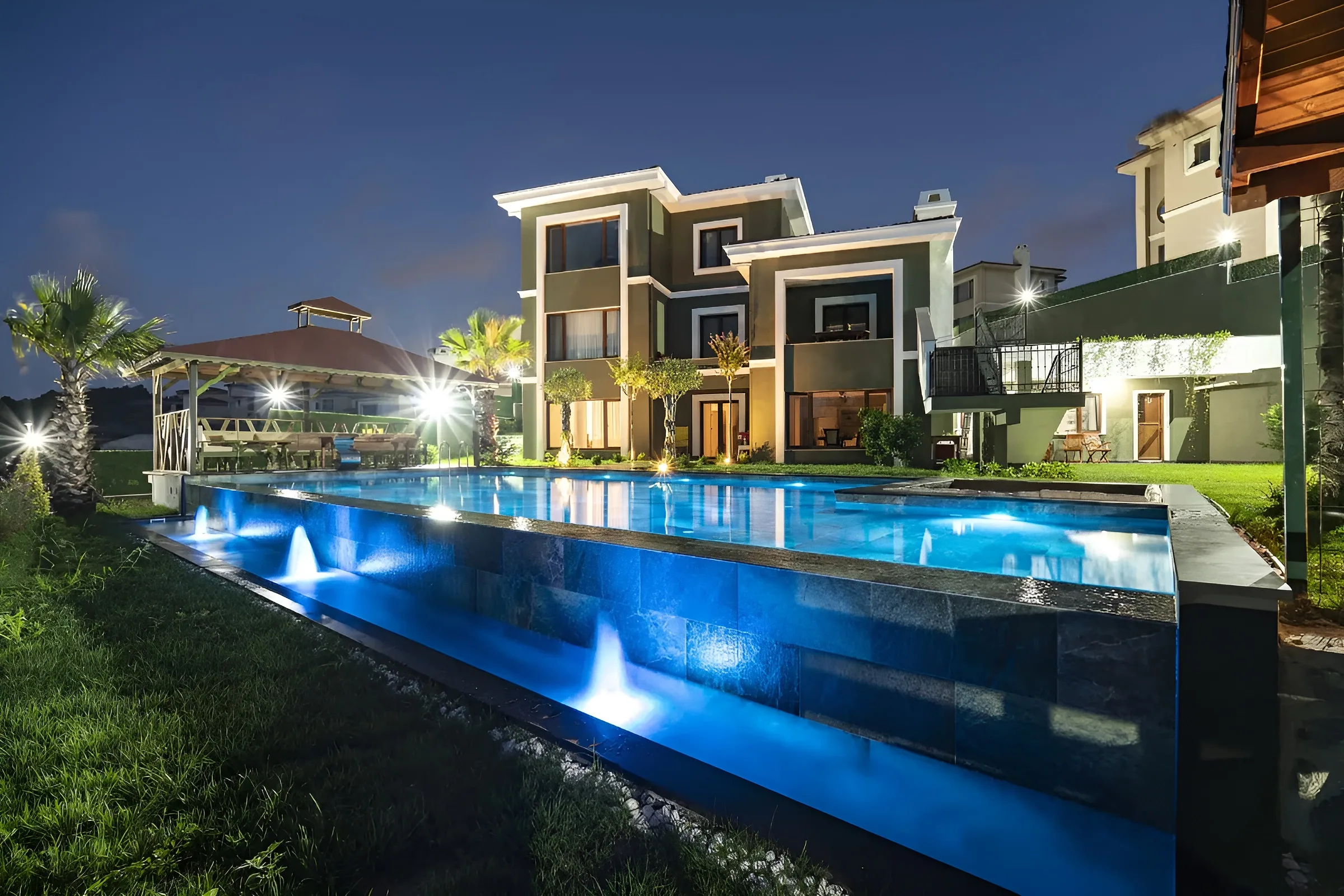 Delivered with confidenceMinistry of National Defence
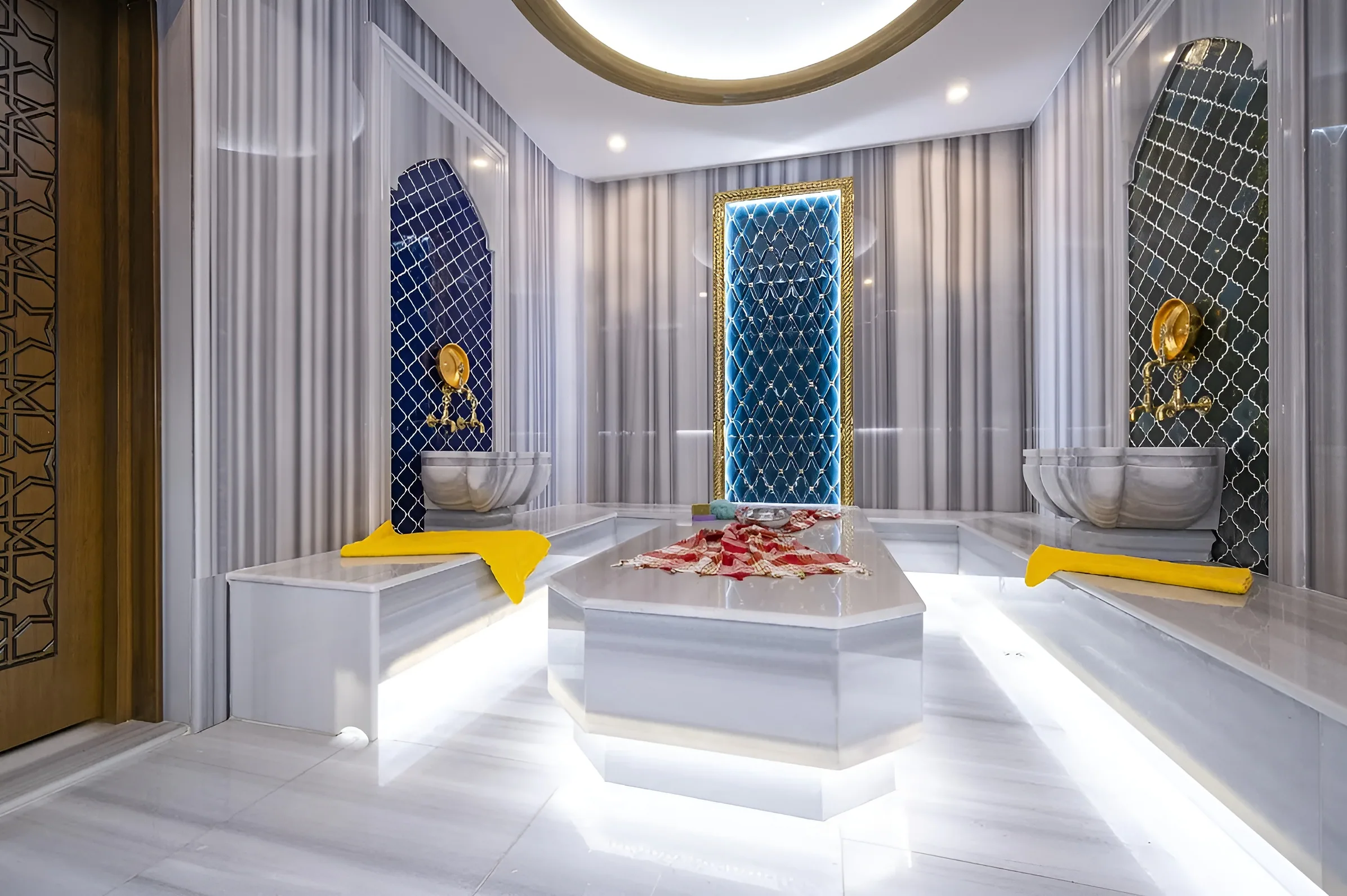 Thermal comfortTenzile Erdoğan Thermal Hotel
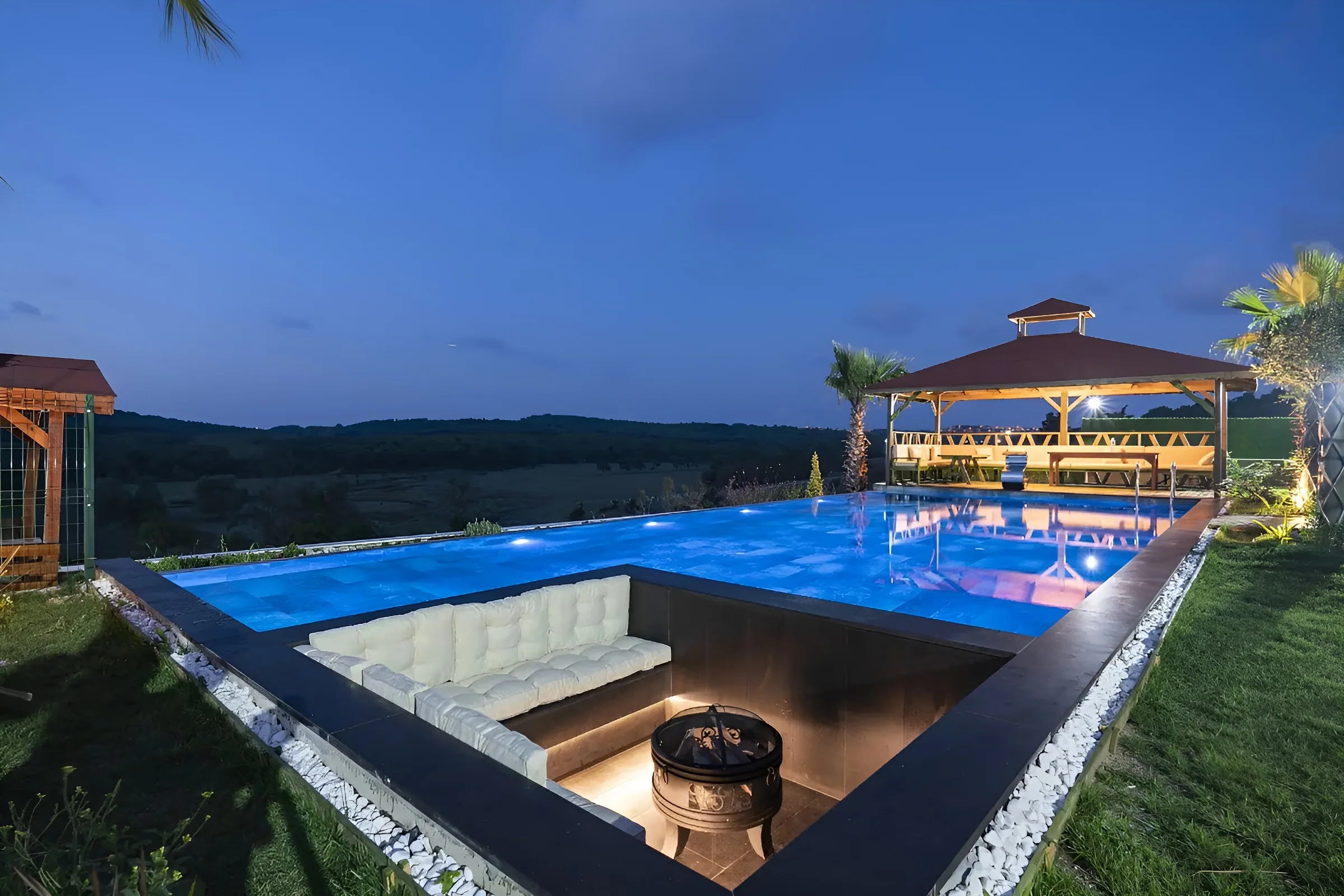
 Dreams came trueMehmet Sevigen
 The garden's new heartHakan Gönen
 Holiday at homeÇetin Uğurlu
Company & Contact
To talk about your project, we are one call away.
Legal Name
Çilek Havuz
Founded
1998 · Istanbul
Head Office
Çilek Plaza, Eyüp Sultan Mah. Yakacık Cd. Feshane Cd. No: 2 D:4 D:1, 34885 Sancaktepe / İstanbul
Service Area
All of Türkiye · exports to 14 countries
Portfolio ·
A selection of pool and spa projects we have brought to life all across Türkiye.
 Villa
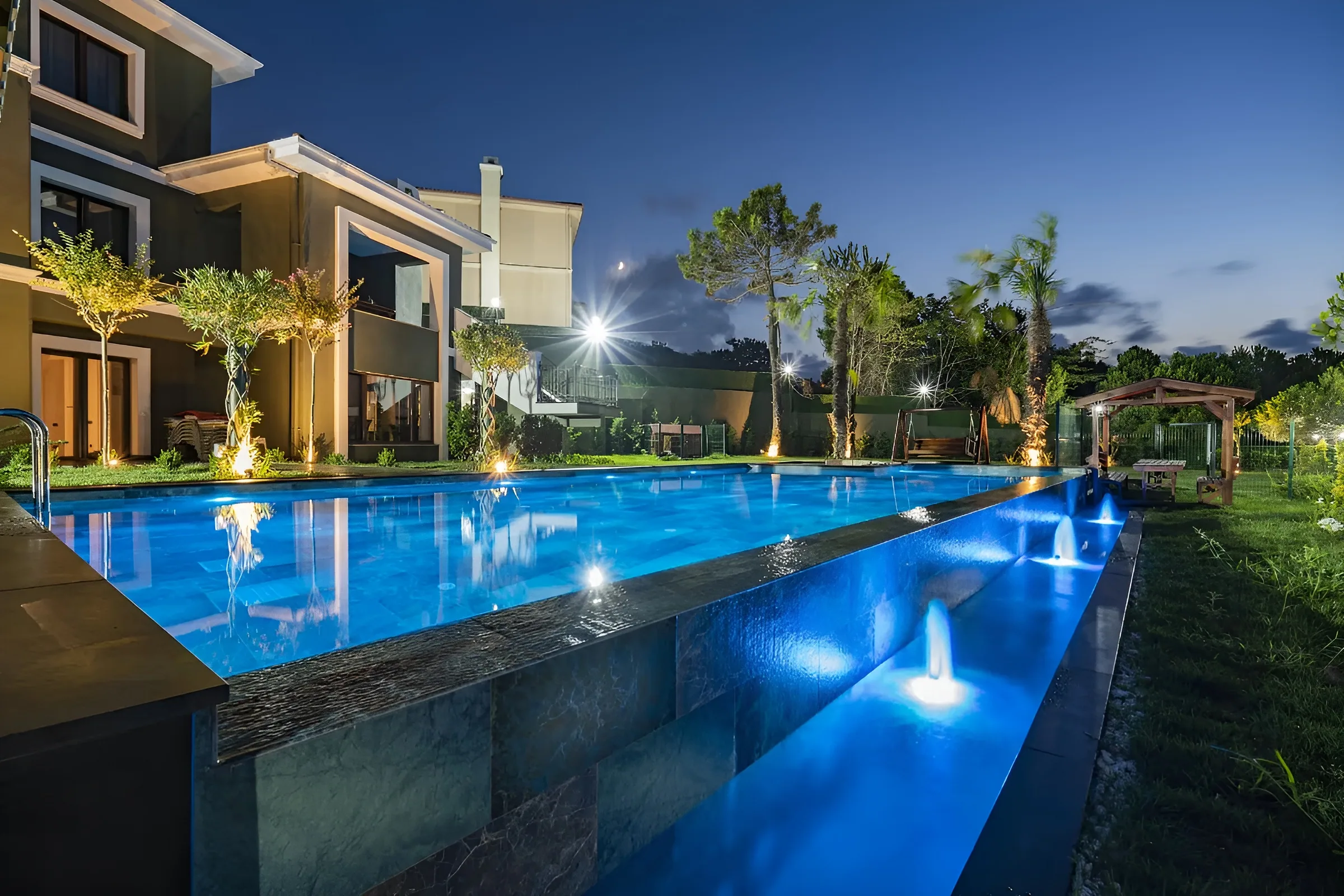
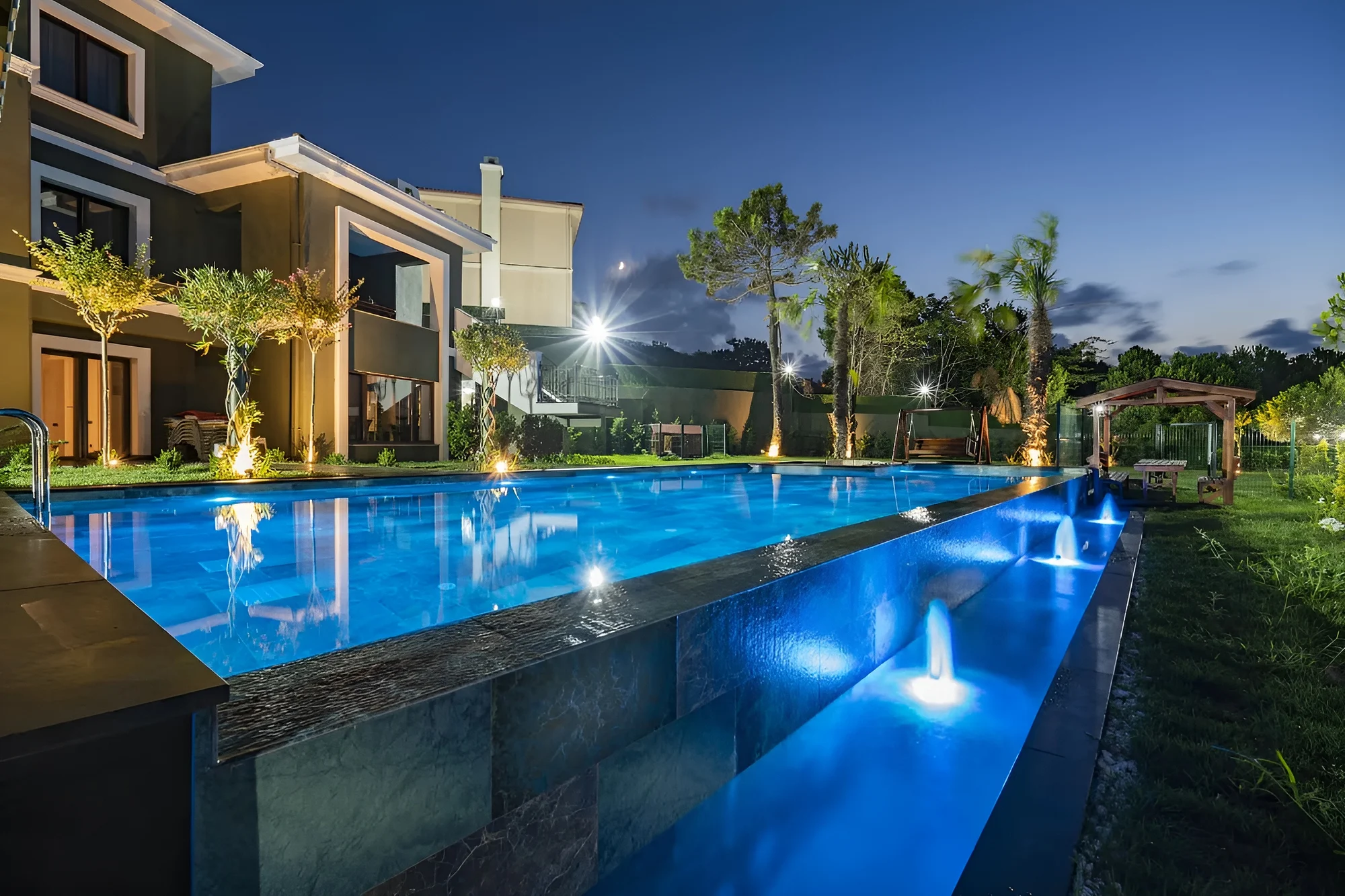
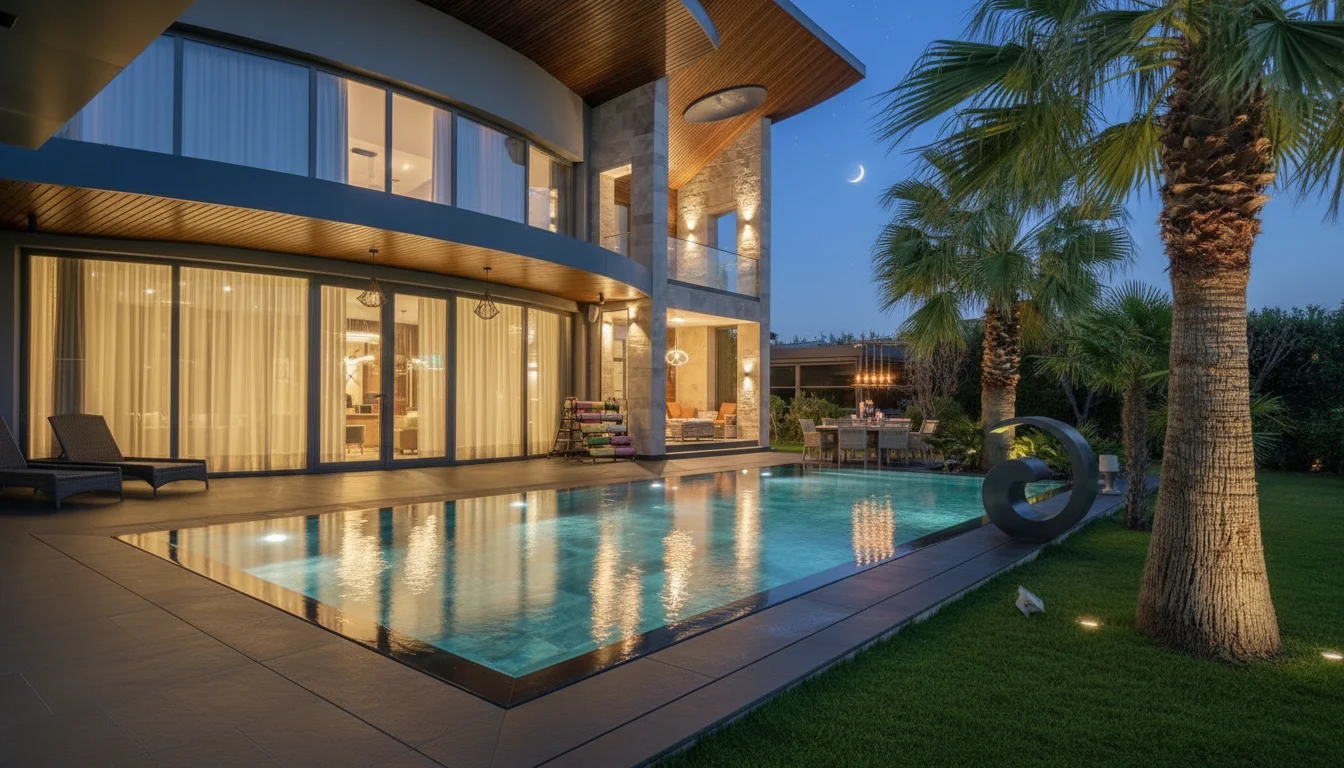
VillaMehmet Sevigen · Çatalca Infinity Pool
A 12×6 m reinforced-concrete infinity pool completed in Çatalca, Istanbul, in 2025.
- Location
- Çatalca / İstanbul
- Completion
- 2025
 Villa
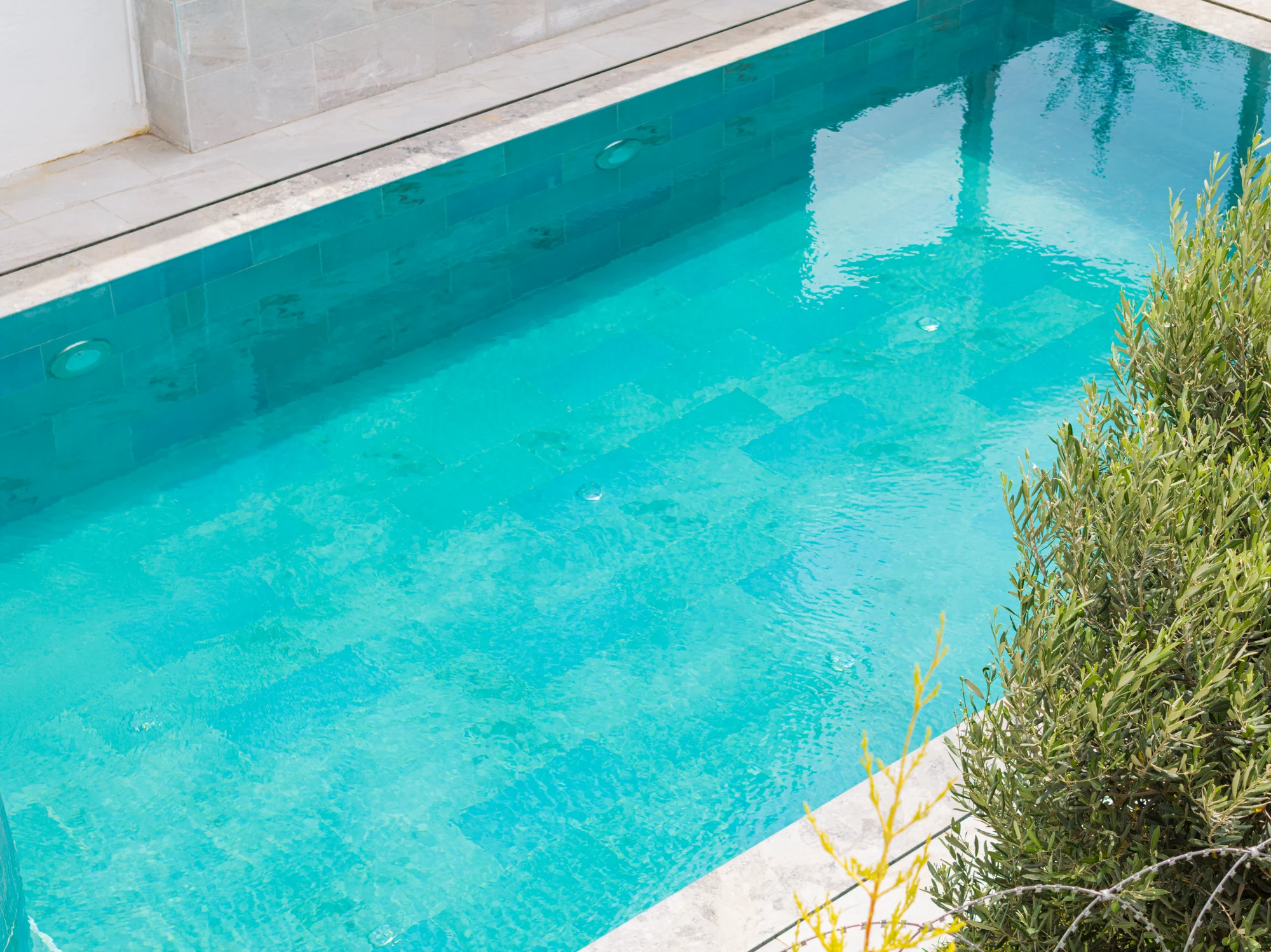
VillaHakan Gönen · Hadımköy Hidden-Overflow Pool
An 11×6 m hidden-overflow concrete pool completed in Hadımköy, Istanbul, in 2024.
- Location
- Hadımköy / İstanbul
- Completion
- 2024
 Villa
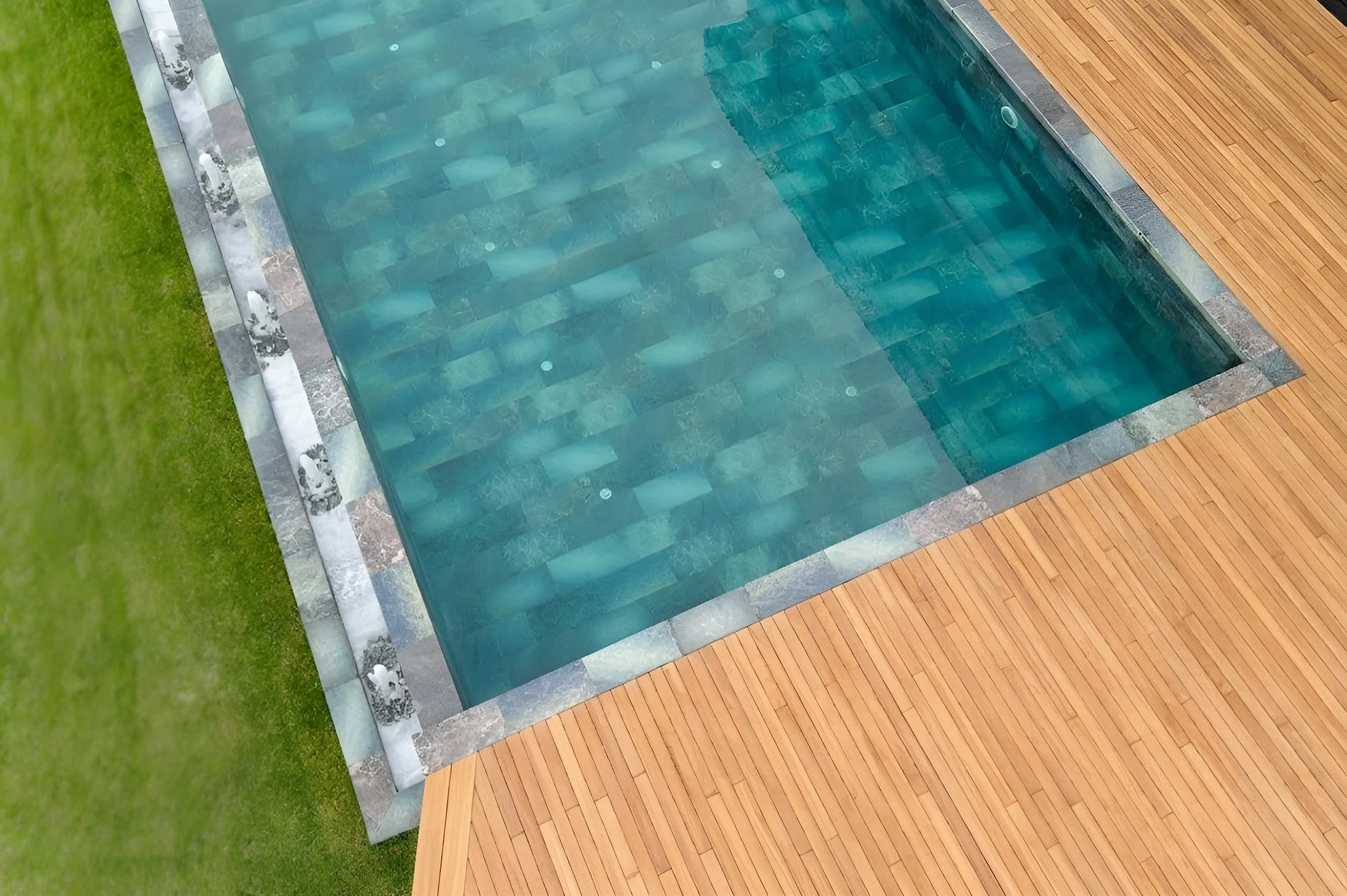
VillaZeynep Mayadağlı · Silivri Hidden-Overflow Pool
A 5×10 m hidden-overflow concrete swimming pool completed in Silivri, Istanbul, in 2024.
- Location
- Silivri / İstanbul
- Completion
- 2024
 Villa
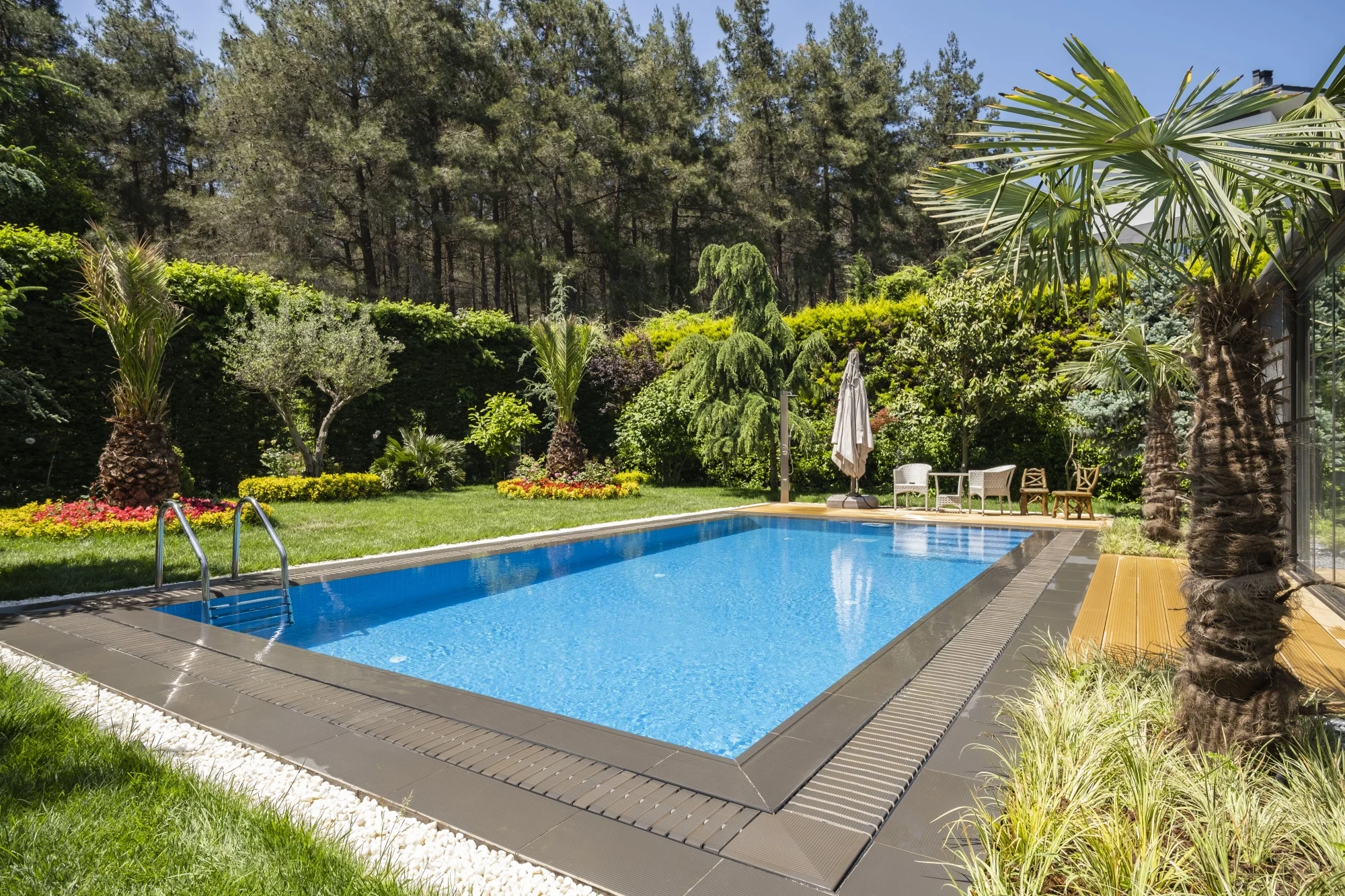
VillaÇetin Uğurlu · Villa Pool
A private villa pool project completed in Istanbul.
- Location
- İstanbul
- Completion
- 2024
 Villa
VillaRıza Latif · Çekmeköy Overflow Pool
An overflow concrete swimming pool completed in Çekmeköy, Istanbul, in 2024.
- Location
- Çekmeköy / İstanbul
- Completion
- 2024
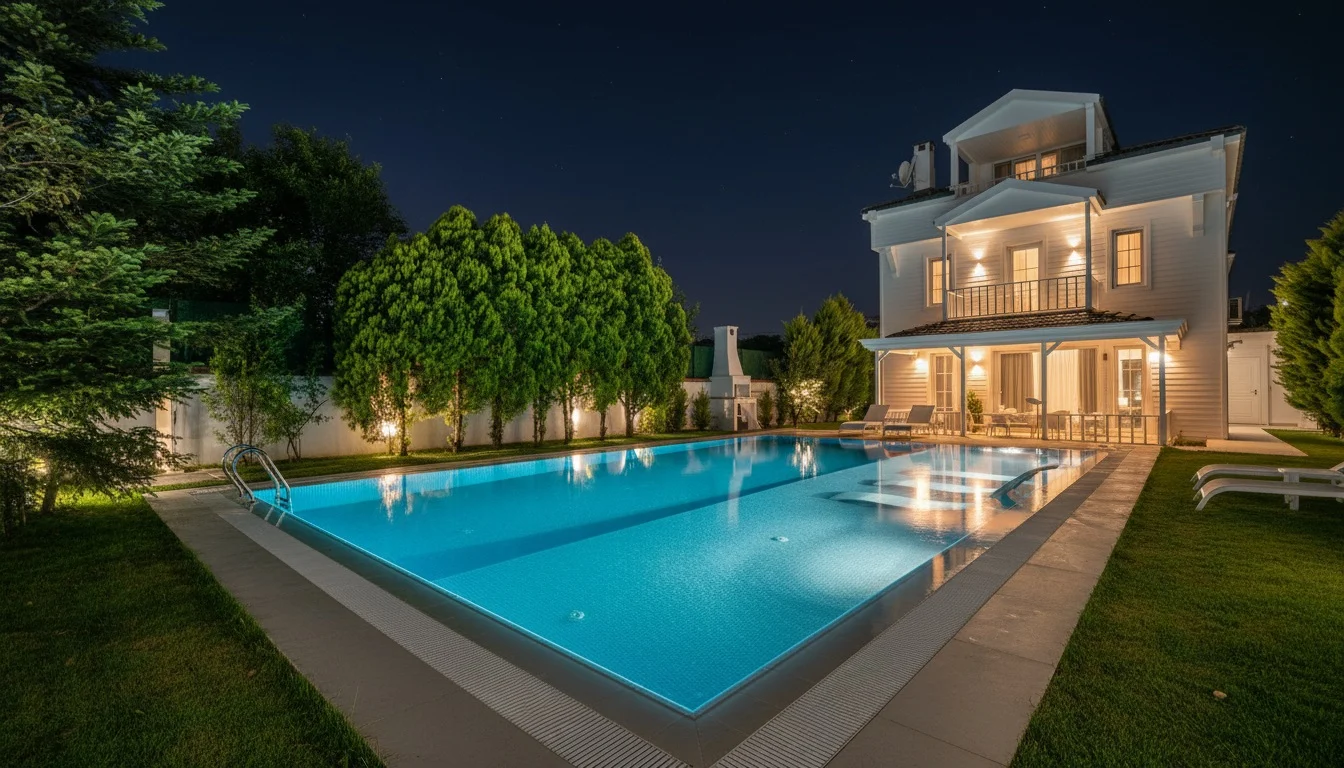 Villa
VillaCihan Kızılkaya · Şile Pool Project
A private villa pool project completed in Şile, Istanbul.
- Location
- Şile / İstanbul
- Completion
- 2024
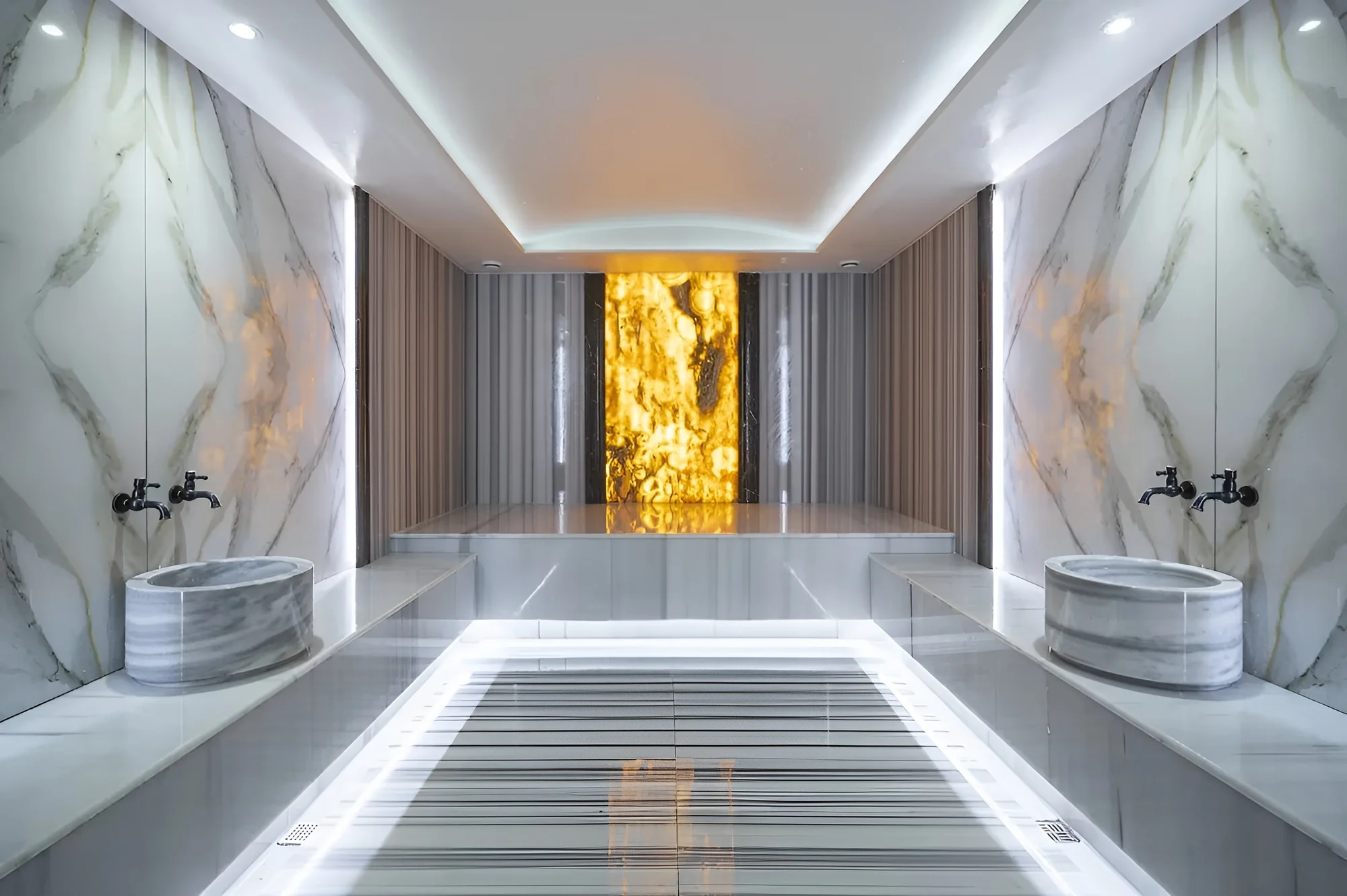 Villa
VillaDilan Polat · Villa Pool
A private villa pool project completed in Istanbul.
- Location
- İstanbul
- Completion
- 2024
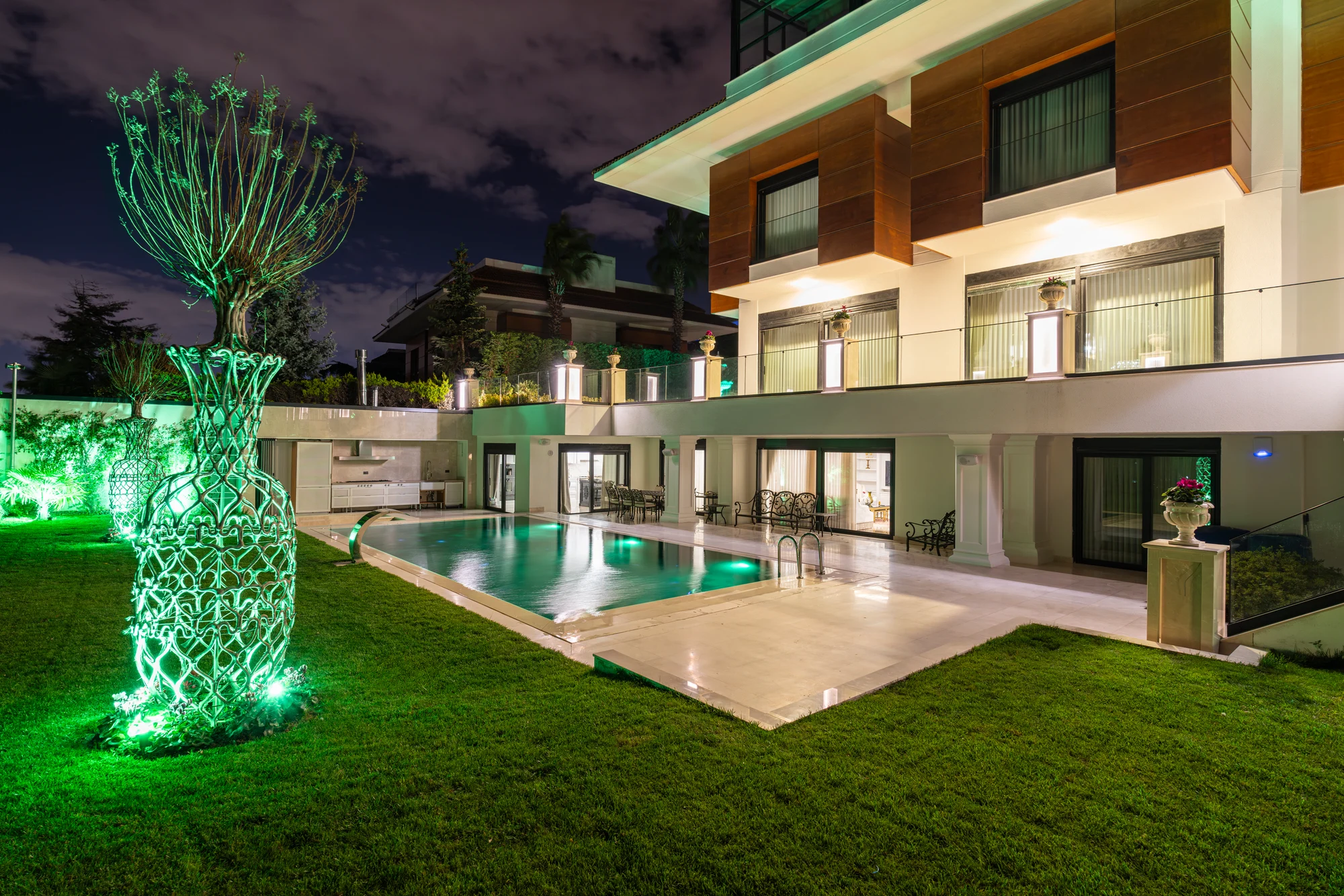 Residence
Efor Holding · Pool Project
A corporate pool project completed for Efor Holding.
- Location
- İstanbul
- Completion
- 2024
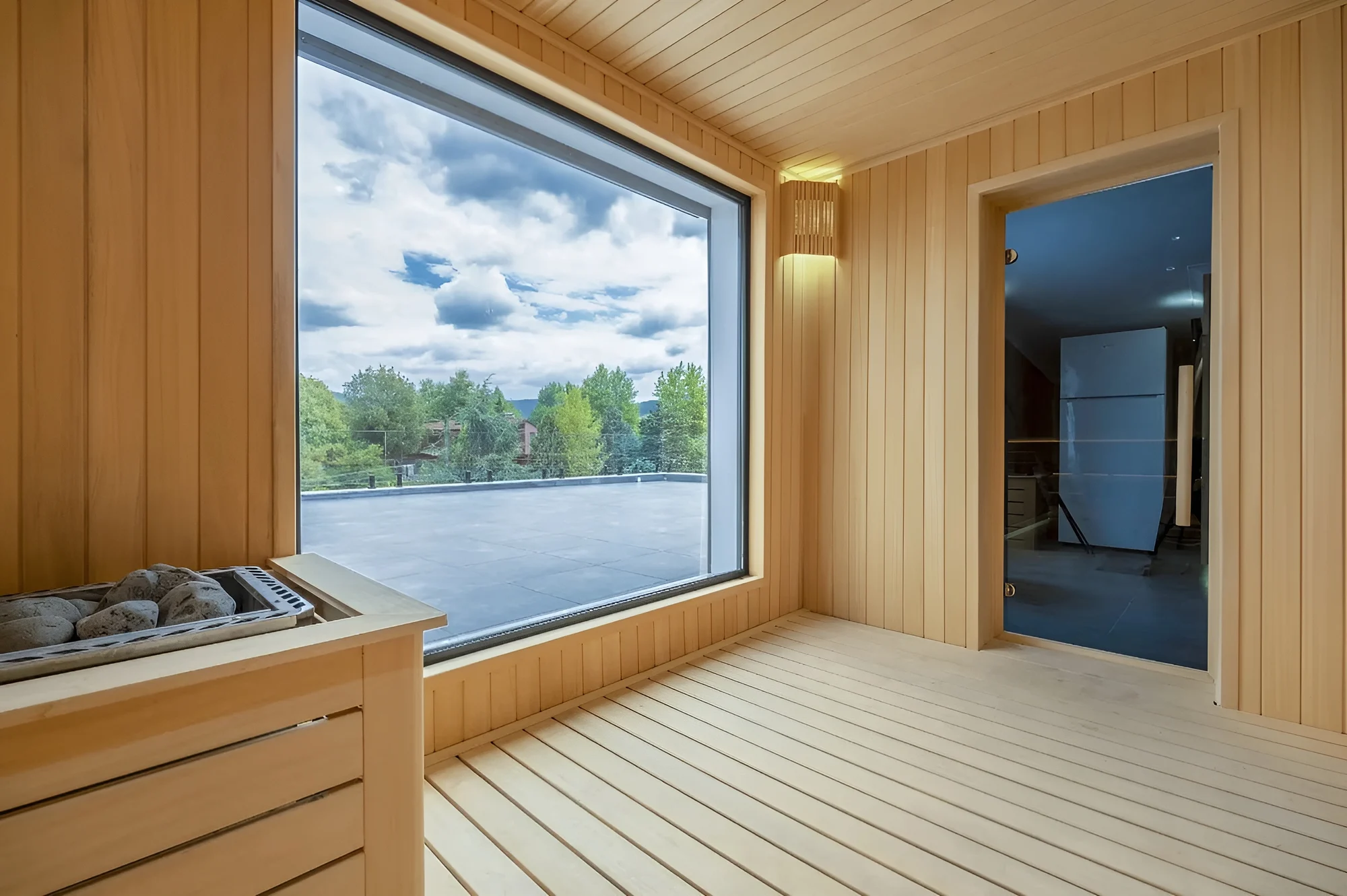 Spa & Wellness
Sinan Türker · Yalova Turkish Hammam & Sauna
A Turkish hammam and sauna wellness project completed in Yalova in 2025.
- Location
- Yalova
- Completion
- 2025
 Spa & Wellness
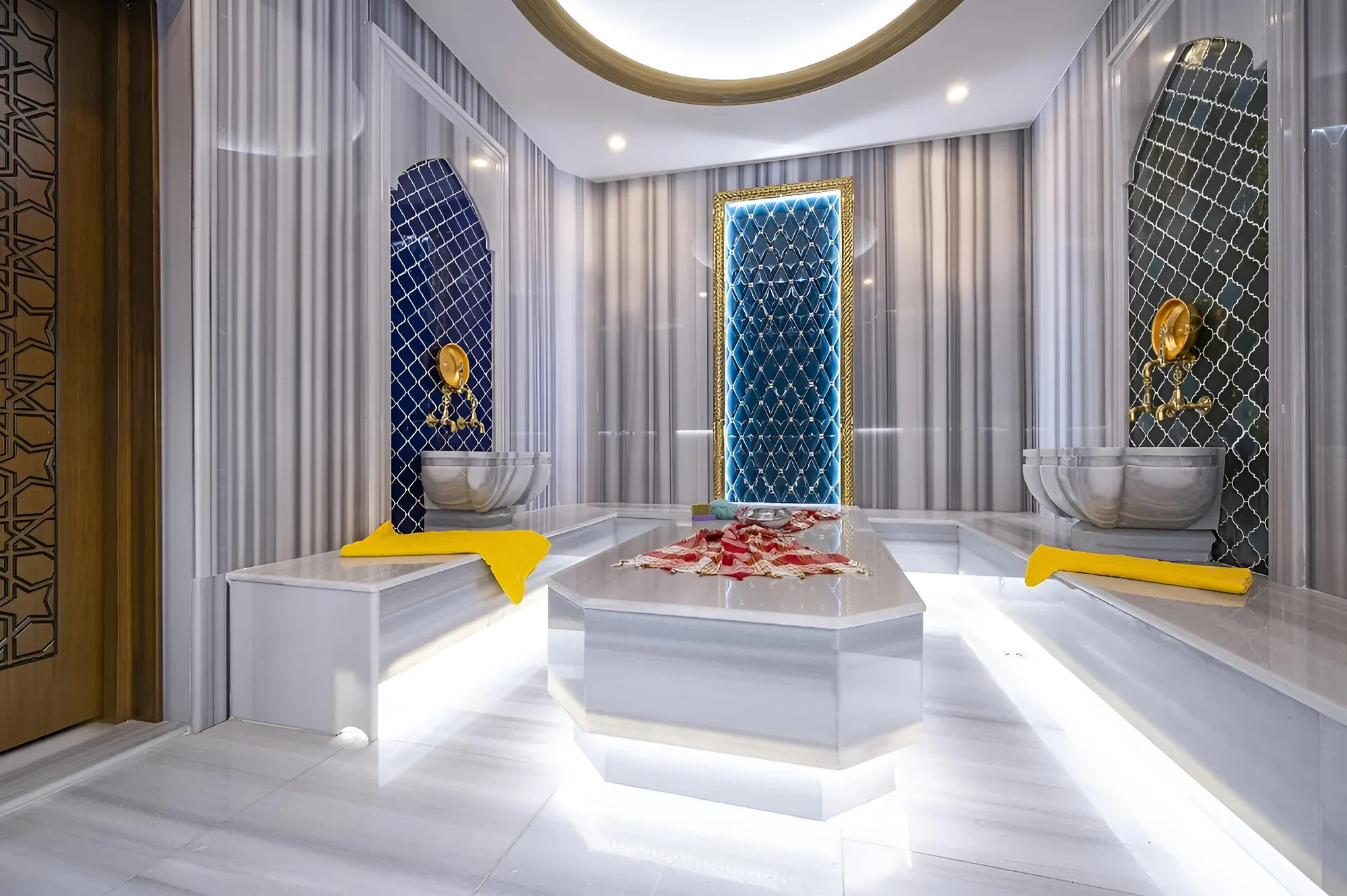
Kudu İnşaat · Yalova Hammam
A traditional Turkish hammam completed in Yalova in 2025.
- Location
- Yalova
- Completion
- 2025
 Thermal
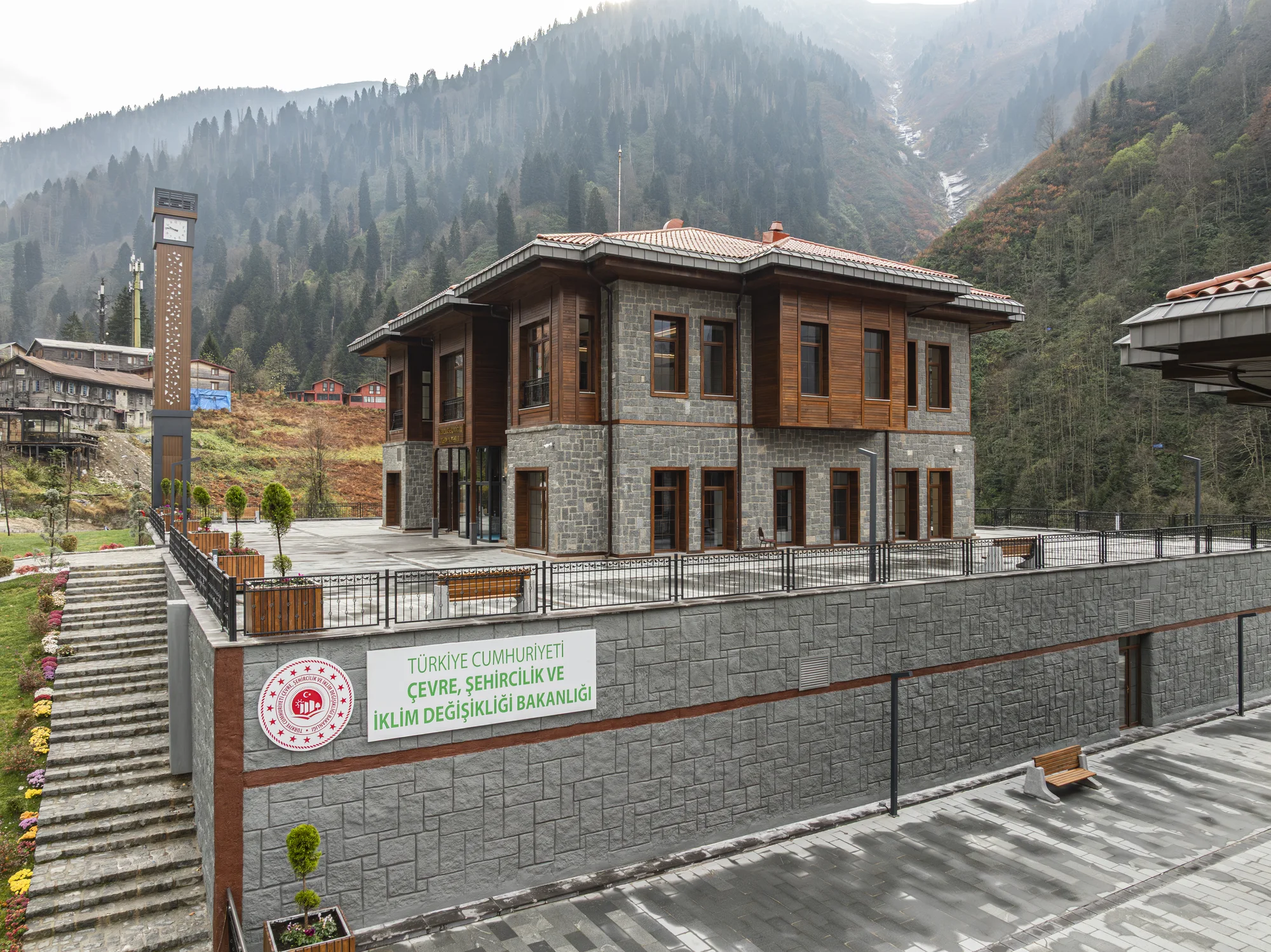
Ayder Tenzile Erdoğan Thermal Hotel
In partnership with TOKİ we delivered 42 wet areas turnkey — a complete spa & wellness composition reaching from pools and thermal pools to sauna, steam room, salt room, jacuzzi and shock shower, and from VIP and suite Turkish hammams to Türkiye's largest göbektaşı hammam.
- Location
- Ayder Plateau / Rize
- Completion
- 2025
 Public Sector
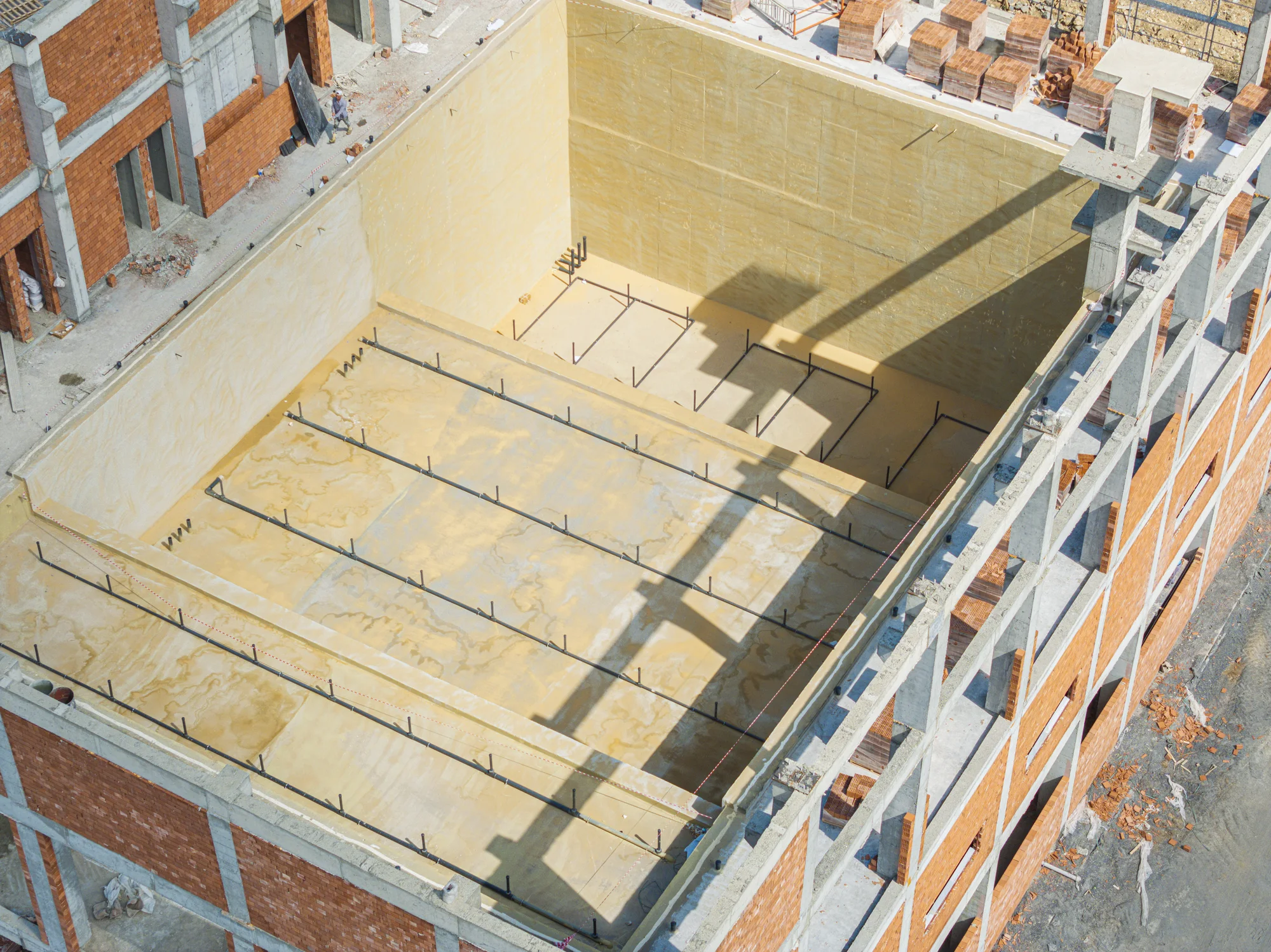
Ministry of National Defence · SAS Training Pool
In Riva we built Türkiye's deepest swimming pool turnkey — 33×22 metres and 10 metres deep. We are proud to have played our part in a facility where our country's heroes will train. The pool's water is disinfected by a 600-gram ozone system — making this Türkiye's largest swimming pool using ozone disinfection.
- Location
- Riva / Istanbul
- Completion
- 2024
 Spa & Wellness
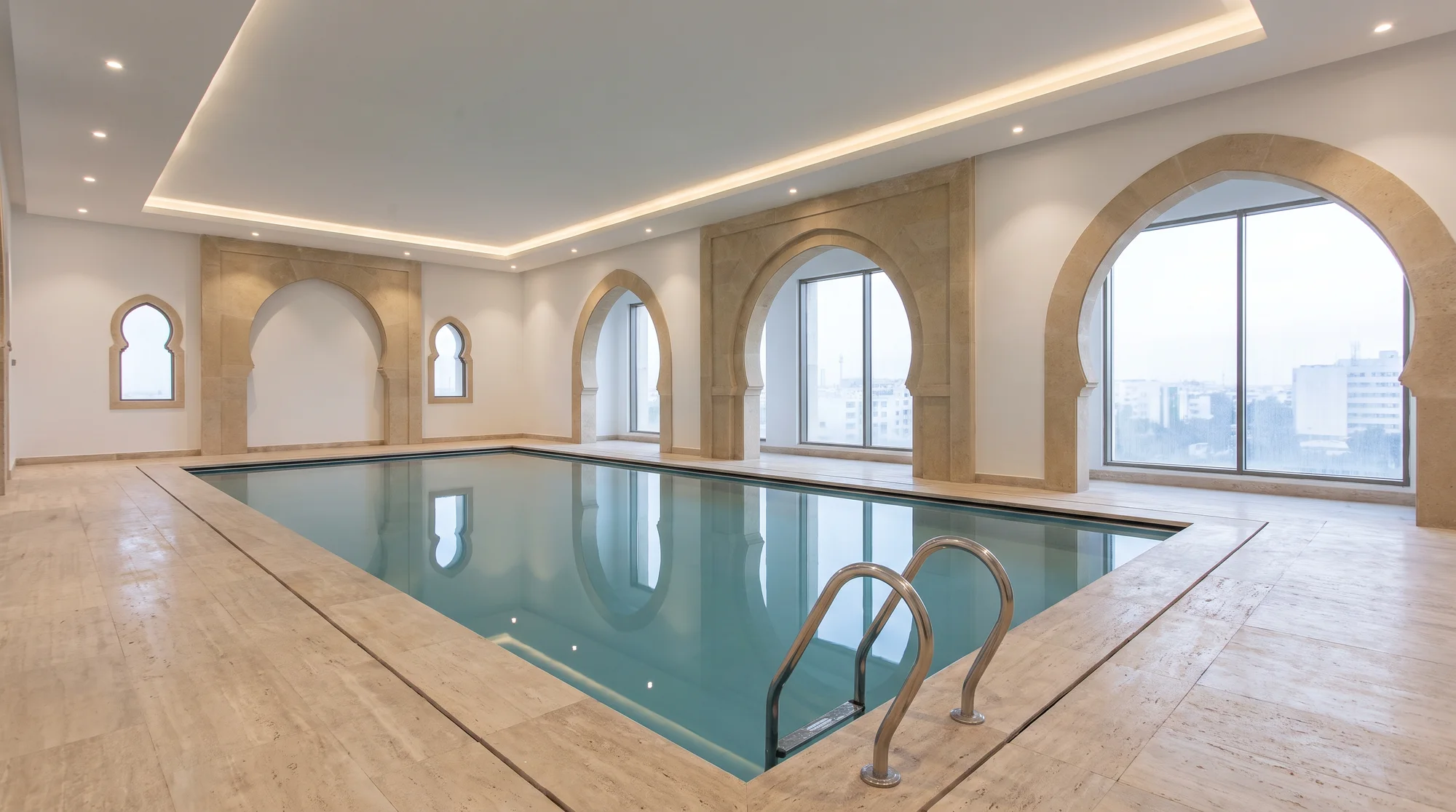
Sofitel Algiers Hamma Garden
For China State Construction Engineering Corporation (CSCEC) we completed the Sofitel hotel's entire spa turnkey — from pools and hydrotherapy pools to jacuzzi, Vichy shower, Turkish hammam, sauna and massage systems.
- Location
- Algeria
- Completion
- 2020
Frequently Asked Questions
Every question on your mind; answered clearly.
Çilek Havuz Technical Team
Pool & Wellness Engineering
- Response Time
- Same day
- Channels
- Phone · E-mail · WhatsApp
If the answer you are looking for is not here, send your question directly to us and our team will reply as soon as possible.
Book a free site surveyNo; in a properly built natural pond the water is purified by plants and by the beneficial microorganisms living in the gravel beds. The water is circulated continuously between the swimming zone and the regeneration zone, and mechanical and biological purification take place together during that cycle. There is no chlorine smell and no drying effect on the skin in this system.
Çilek Havuz Technical Team
The main cost items are the total water surface, the excavation volume, the grade of membrane, the extent of the planting and the level of detail in the shoreline landscaping. Chemical and energy costs are lower than in a conventional pool, so the operating side is light; sealing and landscaping make up a significant part of the initial investment. After the site survey we present every item in writing, with the reasoning behind it.
Çilek Havuz Technical Team
The on-site work varies with the excavation volume, the membrane area and the scope of the landscaping, and on mid-sized projects it typically corresponds to a schedule of a few weeks. Establishing the biological balance, however, requires a separate maturing period; plants putting down roots and bacterial colonies settling in happen over time. Temporary cloudiness in the water during this transition is normal and calls for no intervention.
Çilek Havuz Technical Team
No, a pond is not drained in winter; the water stays where it is and the ecosystem adapts to the season. Plant activity slows and the water usually becomes clearer; in regions where it freezes over, plants are chosen to withstand the winter. Going into winter, collecting the fallen leaves and protecting the pump in line with the manufacturer's recommendation is enough.
Çilek Havuz Technical Team
In a properly built pond, maintenance is a different routine from a conventional pool's, and a lighter one; there is no daily chemical dosing. The routine consists of surface cleaning, plant care, monitoring the water level and a general check at the turn of each season. Because most of the mechanism that purifies the water works naturally, the effort is concentrated seasonally; a professional check at the seasonal transitions helps keep the balance in place.
Çilek Havuz Technical Team
Not in a well-balanced pond; the water circulates continuously, so it never stands still, and moving water largely deters mosquitoes from breeding. Natural residents of the ecosystem such as dragonflies also act as a check. That is why leaving no stagnant corner in the circulation design is a rule we watch particularly closely in every project.
Çilek Havuz Technical Team
In most cases yes; the existing shell is kept as the swimming zone, and by adding a regeneration zone beside or around it the system can be moved over to natural purification. The scope of the conversion becomes clear at the site survey, according to the condition of the shell, the area that can be given over in the garden and the sealing detail. We carry out the assessment on site and present the options in writing.
Çilek Havuz Technical Team
Alongside the swimming zone, additional surface has to be set aside for the planted zone that purifies the water; a pond therefore leaves a larger footprint than a conventional pool with the same swimming area. The exact ratio is calculated within the project according to the intended use, the climate and the choice of planting. In restricted gardens, compact solutions can be composed by tiering the zones.
Çilek Havuz Technical Team