

Winterizing Your Pool: A Step-by-Step Shock and Closing Procedure
Closing your pool for winter is half of next spring's opening. We treat shocking and winterizing as a single procedure: from water level and draining equipment to winter chemicals, frost protection and the cover, learn exactly what to do and what it costs you in spring if you skip it.
Closing your pool for winter is half of next spring's opening. We treat shocking and winterizing as a single procedure: from water level and draining equipment to winter chemicals, frost protection and the cover, learn exactly what to do and what it costs you in spring if you skip it.
Proper winterization is far more than simply turning off the pump and pulling a tarp over the pool. The pool remains unattended for months; every correct step taken during winter closing halves the labor required in spring. An improperly closed pool reopens as a green swamp with cracked underground plumbing.
Winterization fulfills two core objectives: maintaining chemical equilibrium to prevent algae and mineral scaling, and protecting equipment from freeze damage. Ice expansion cracking pumps, filters, and pipes represents the single most expensive winter disaster.
We recommend treating shock treatment and winter chemical closing as a unified sequential protocol. Sanitizing water with shock chlorination first and immediately following with winter algaecides ensures maximum protection.
Winter closing starts with clean, balanced water. Adjust pH to 7.2–7.6, Total Alkalinity to 80–120 ppm, and calcium hardness to balanced levels. Closing a pool with unbalanced water causes scaling or etched plaster over winter.
Thoroughly vacuum the floor, brush walls, and clean the waterline. Remove all leaves and organic matter; decaying organic debris consumes residual chlorine and fuels algae under the cover.
Perform a comprehensive filter backwash and rinse so the media remains clean throughout winter. Thorough substrate preparation is the true foundation of successful winterizing.
After balancing chemistry, apply shock chlorination using 10–20 grams of rapid dichlor per m³ at sunset. The objective is total sterilization of dormant bacteria and algae spores before water temperatures drop.
Run the pump continuously overnight following shock dosing to ensure complete distribution throughout all piping circuits.
Allow free chlorine to subside to ~3.0 ppm before adding specialized winterizing products, as excessive chlorine levels can degrade long-term winterizing polymers.
Dose specialized winter algaecide and scale inhibitor with the pump running. Winterizing formulations are engineered to remain active at low temperatures over extended months.
Never drain the pool completely; an empty pool risks being lifted out of the ground by hydrostatic groundwater pressure or suffering liner shrinkage. Lower water levels approximately 10–15 cm below the bottom of skimmer throats.
Insert rubber expansion plugs into return inlets and skimmer ports. In freeze-prone regions, install foam compensator bottles (Gizzmos) inside skimmers to absorb ice expansion pressure.
Freeze damage occurs when trapped water expands as ice, cracking pump volutes, filter tanks, and underground pipes. The non-negotiable rule of winterization is draining all water circuits completely.
Remove drain plugs from the pump hair-and-lint pot, filter tank, heat pump exchanger, and chlorinator cells. Store drain plugs safely in the pump strainer basket. Set multiport valves to the 'WINTERIZE / CLOSED' position.
Blow out underground suction and return plumbing lines using an air compressor, then seal with expansion plugs. For un-drainable lines, use non-toxic propylene glycol pool antifreeze; never use automotive toxic antifreeze.
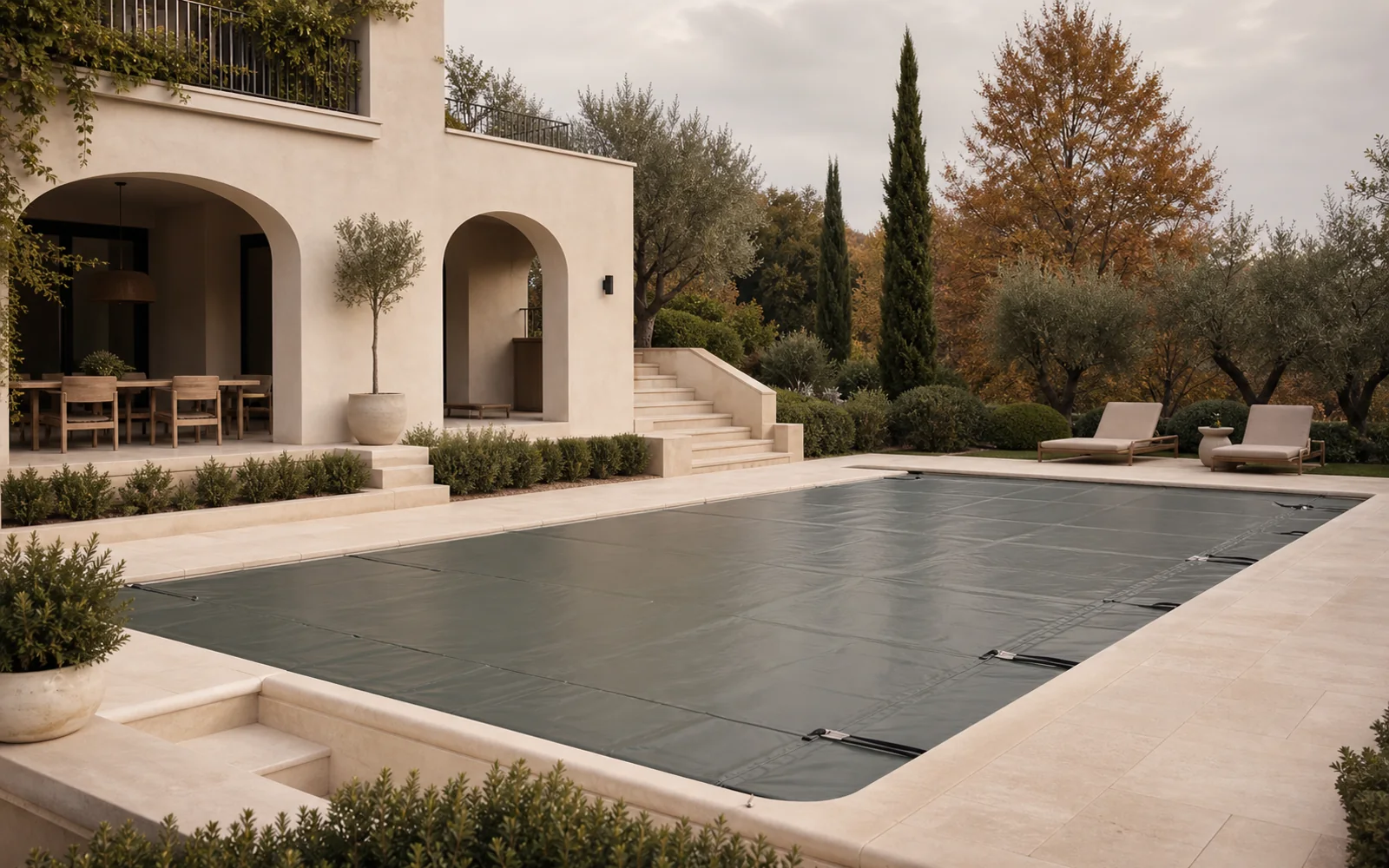
A winter cover serves two roles: blocking leaves, dust, and organic debris, and eliminating sunlight penetration to halt algae photosynthesis. Light-transmitting tarps invite algae growth regardless of chemical dosing.
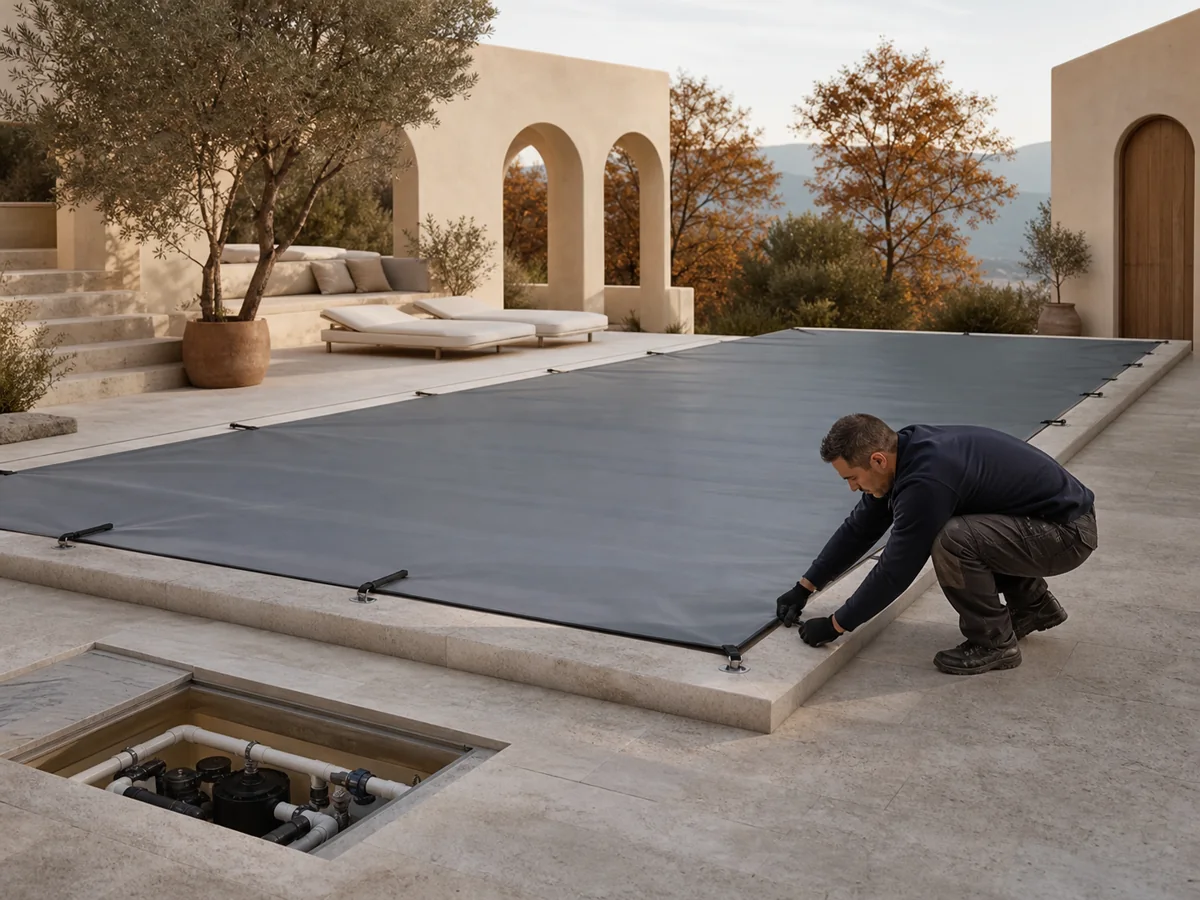
Tension and anchor the cover securely across coping stones. Loose tarps flap in winter storms, accumulate windblown debris, and sag dangerously under water weight. Solid safety covers provide superior protection and support human weight, offering vital safety for children and pets.
Pump standing rainwater and melted snow off the cover periodically. A properly anchored safety cover ensures that reopening in spring reveals clean, clear water rather than an unpleasant surprise.
Winterization requires occasional periodic oversight throughout the cold months. Check cover tension after heavy storms and drain excess standing rainwater from the cover surface.
In regions with heavy snowfall, ensure that water levels beneath the cover have not risen above skimmer freeze lines due to precipitation ingress.
A pool properly balanced, shocked, drained, and covered in autumn reopens in spring with crystal-clear water ready for swimming within days. Taking winterization seriously in autumn purchases complete peace of mind for spring.
Image gallery
04 görsel
 01
01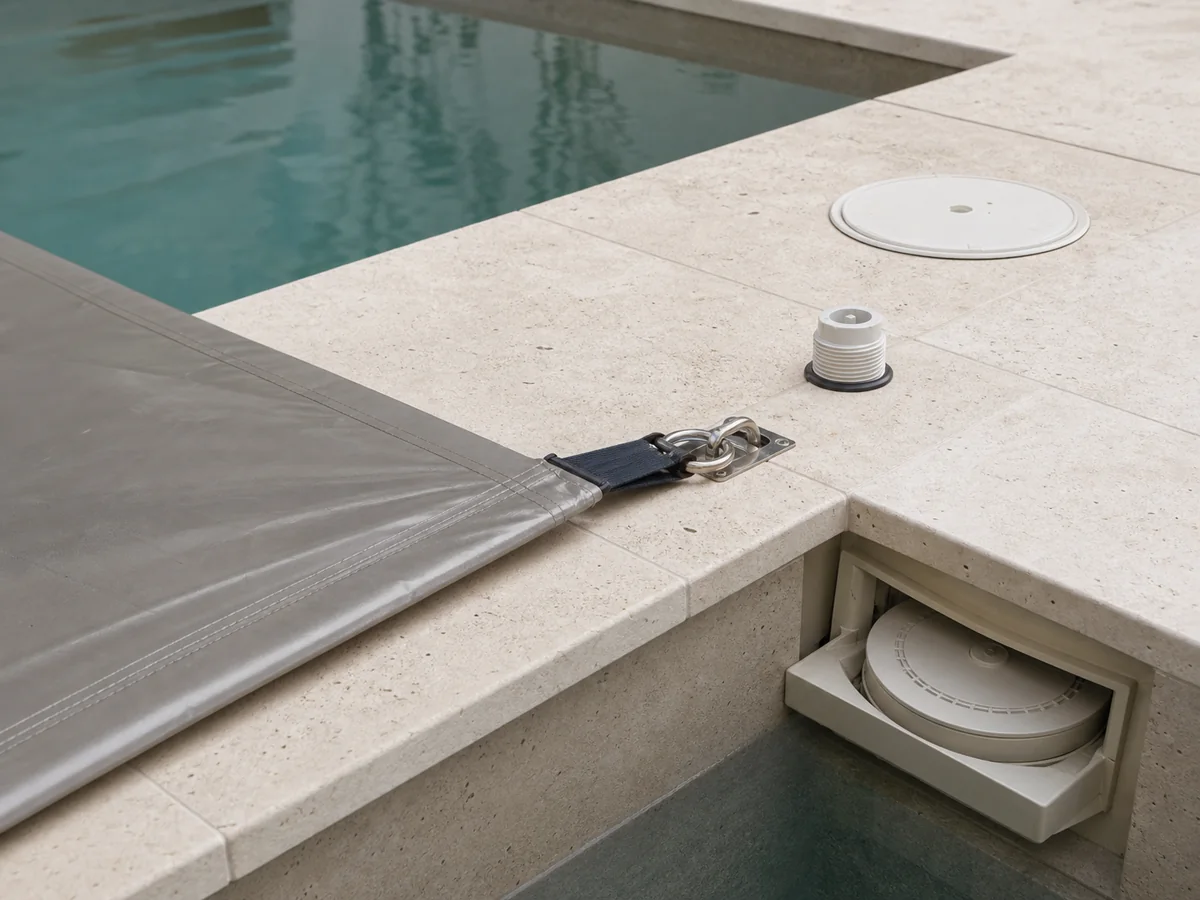 02
02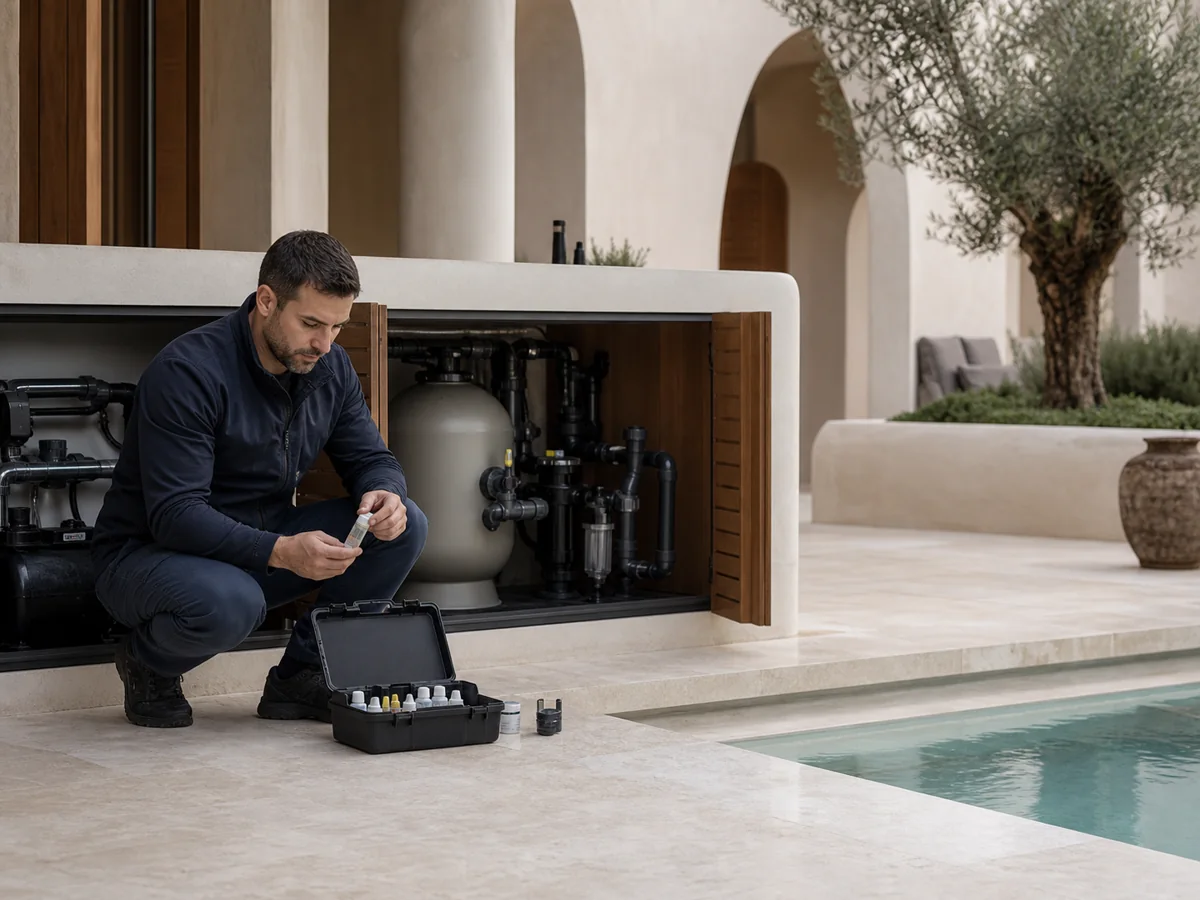 03
03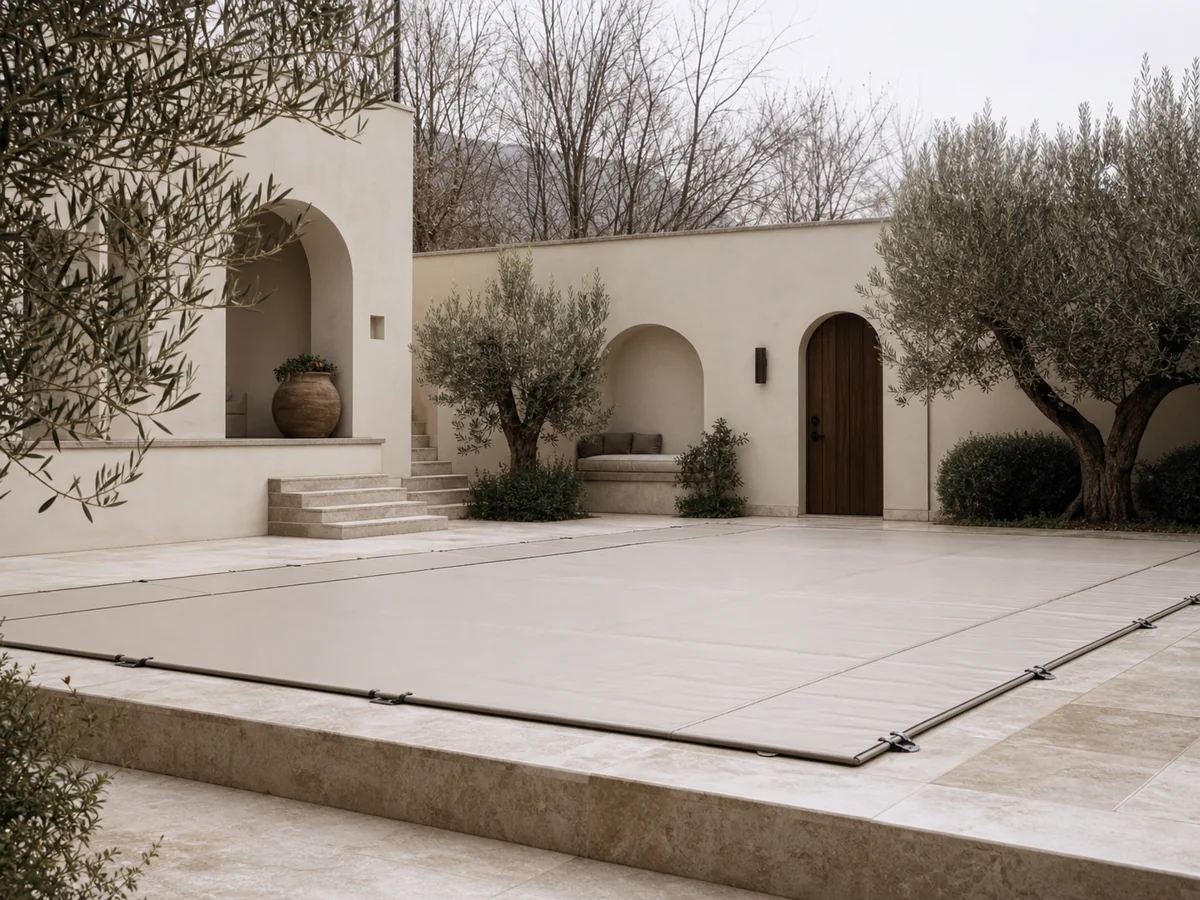 04
04Company & Contact
To talk about your project, we are one call away.
Legal Name
Çilek Havuz
Founded
1998 · Istanbul
Head Office
Çilek Plaza, Eyüp Sultan Mah. Yakacık Cd. Feshane Cd. No: 2 D:4 D:1, 34885 Sancaktepe / İstanbul
Service Area
All of Türkiye · exports to 14 countries
Related articles
Keep reading.
Sık Sorulan Sorular
Our readers' most asked; with expert answers.
Çilek Havuz Content & Technical Team
Guides & Technical Content
- Response Time
- Same day
- Channels
- Phone · E-mail · WhatsApp
If the answer you are looking for is not here, send your question directly to us and our team will reply as soon as possible.
Book a free site surveyWinterize when water temperature consistently drops below 15°C (60°F) and regular swimming concludes. Closing too early while water is warm promotes algae growth; waiting too late risks early frost damage. Complete closing before the first hard freeze.
Çilek Havuz Content & Technical Team
Yes, winter algaecides and scale inhibitors are formulated for extended efficacy at low temperatures over months without chlorine replenishment. Standard summer algaecides break down much faster.
Çilek Havuz Content & Technical Team
Occasional checks are necessary: pump standing water off the cover, inspect cover springs/straps, and verify that water levels remain below skimmer mouths. A 5-minute monthly check prevents major spring surprises.
Çilek Havuz Content & Technical Team
Water trapped inside the pump casing, filter tank, or pipes expands as it freezes, splitting plastic housings and cracking pipes. Completely draining all equipment is mandatory.
Çilek Havuz Content & Technical Team
Solid anchored safety covers support the weight of children and pets, providing critical life safety alongside superior debris and UV blocking. Standard tarps are economical but require water bags and closer maintenance.
Çilek Havuz Content & Technical Team
No, automotive ethylene glycol is highly toxic and dangerous if it enters pool water. Only use non-toxic propylene glycol pool antifreeze designed specifically for swimming pool plumbing.
Çilek Havuz Content & Technical Team