

Göbek Taşı (Heated Stone): Selection, Heating System and Care
We focus on the göbek taşı, the heart of the hammam: correct stone selection, under-stone heating systems, proper dimensions and maintenance methods for long-lasting use, step by step.
We focus on the göbek taşı, the heart of the hammam: correct stone selection, under-stone heating systems, proper dimensions and maintenance methods for long-lasting use, step by step.
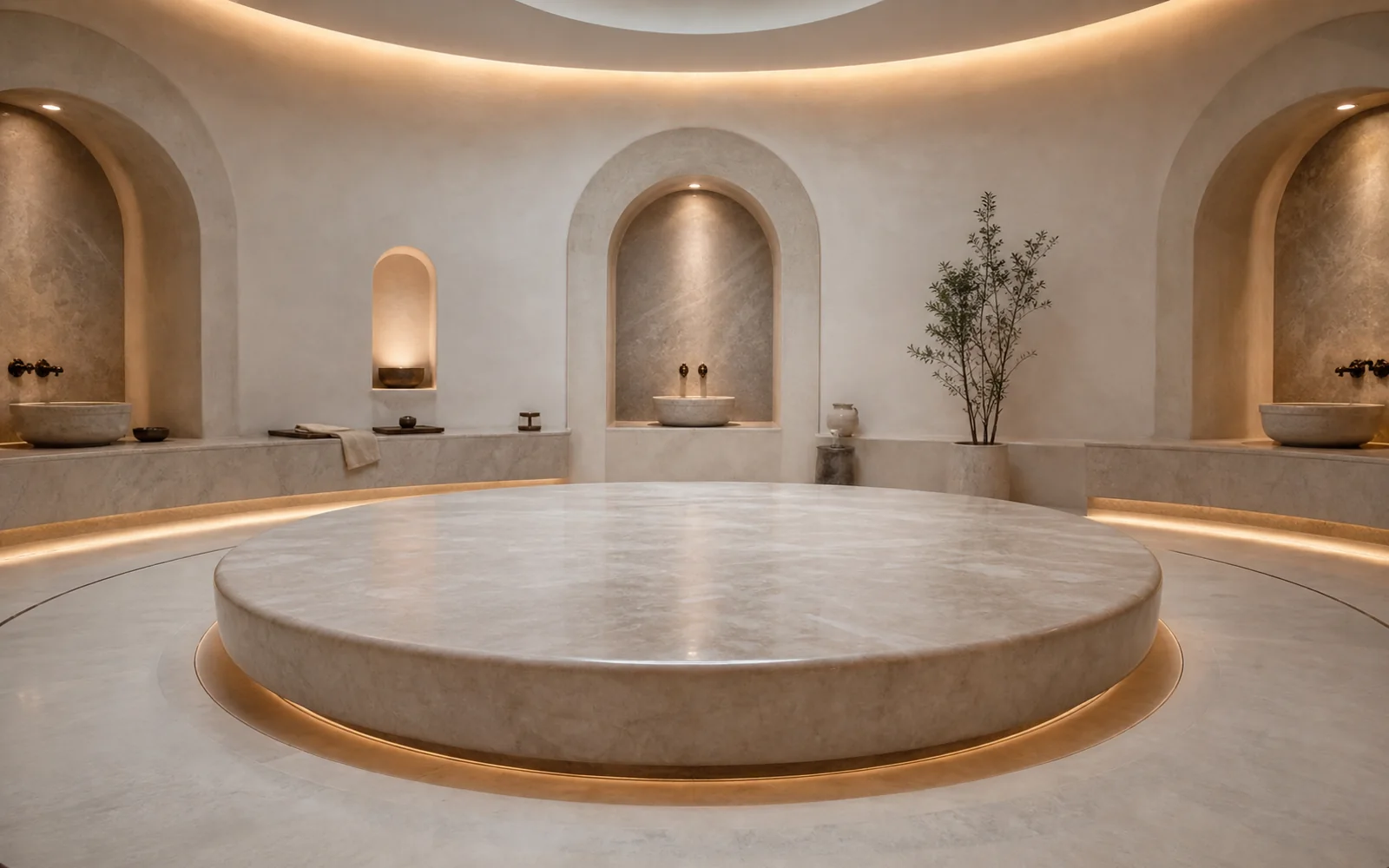
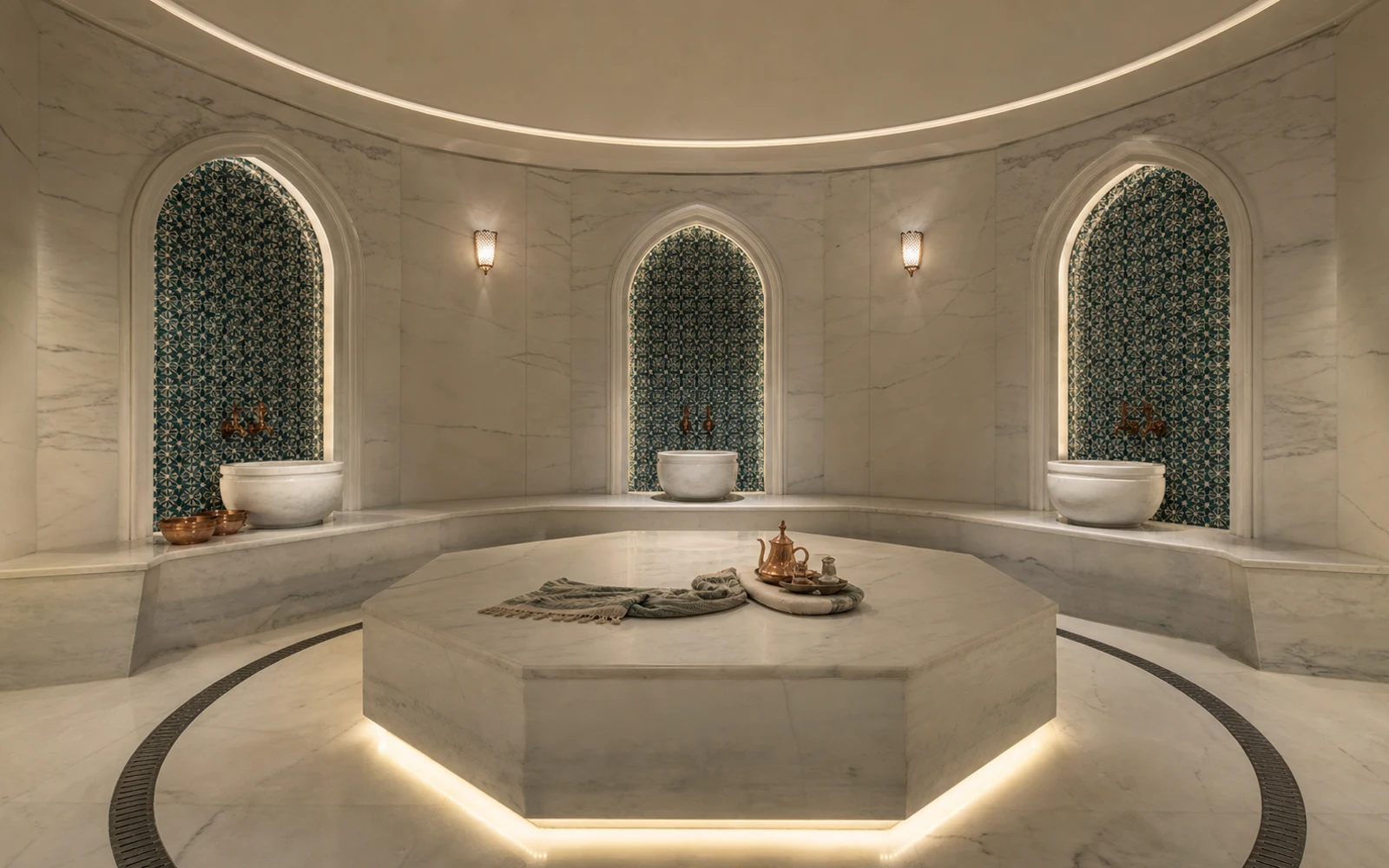
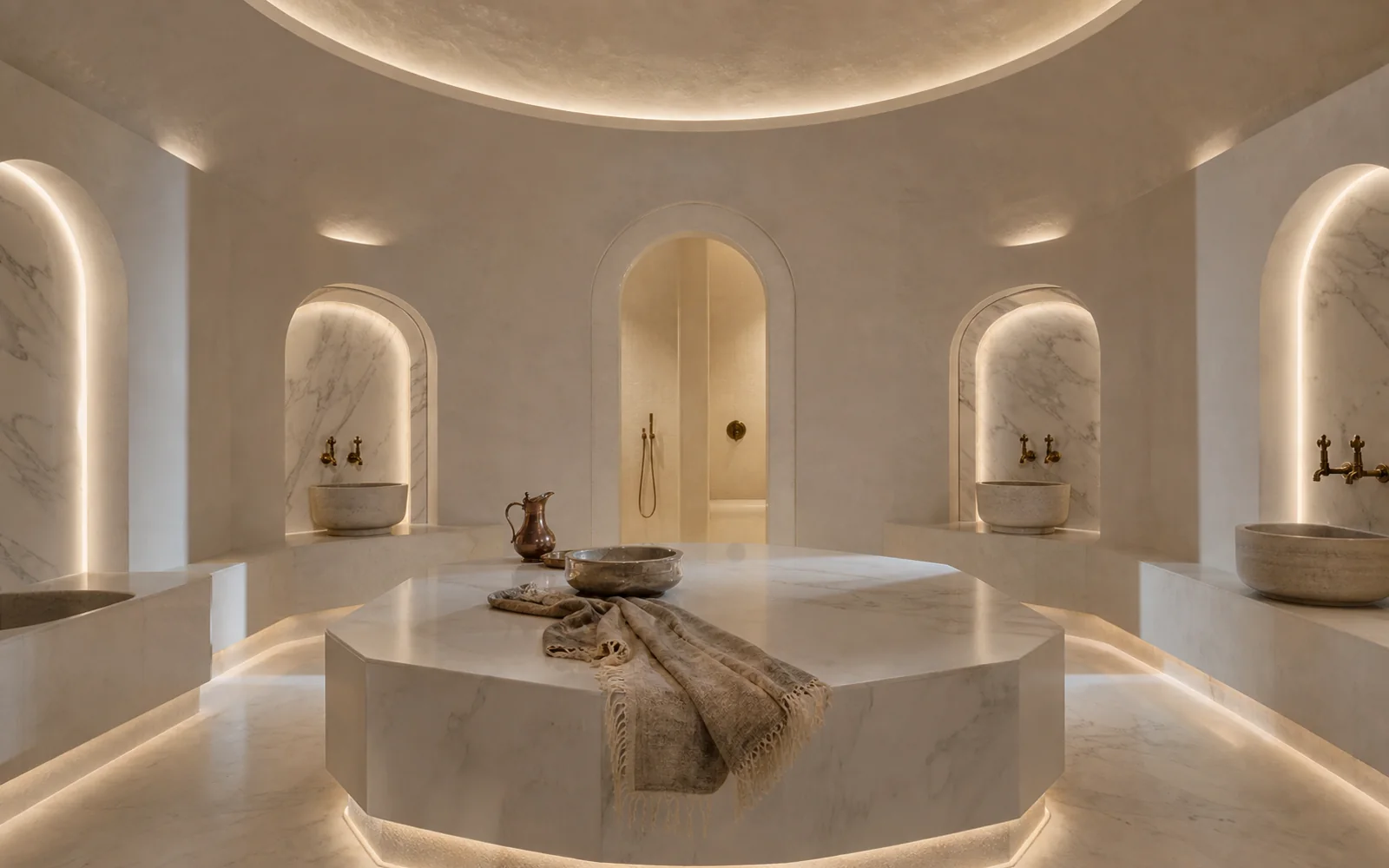
The navel stone is a large heated marble platform rising in the middle of the bath and is the heart of the bath experience. The guest lies on this stone, the soft and dry heat radiating from the stone warms the body from the inside; The muscles relax, this warmth combined with the humidity of the environment creates the serene atmosphere specific to the bath. The main element that makes a bath a bath is often the correct design of the belly stone.
For this reason, it is necessary to treat the core stone not as a superficial decorative element, but as a heating surface that must be carefully engineered. Type of stone, thickness, type of heating system underneath and maintenance of the surface; It determines both how evenly the heat spreads and how the stone lasts over the years. In this guide, we focus only on core stones and tell you what you need to know, from selection to heating and maintenance.
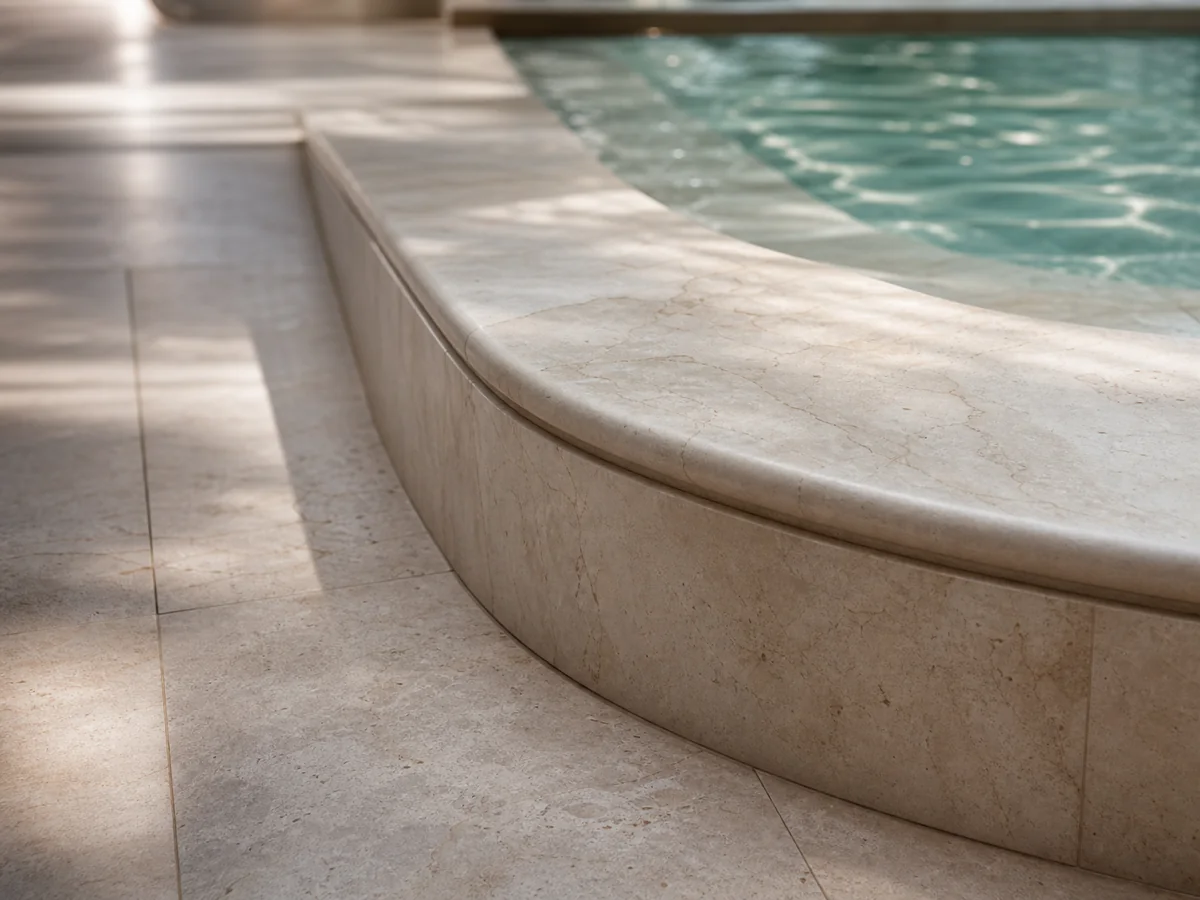
The most common choice for navel stone is marble, because marble is a material that absorbs heat slowly and maintains it for a long time, warms the skin softly and aesthetically suits the bath. It is important that the stone can conduct heat regularly and be smooth enough to not disturb the skin. Whether the surface feels pleasant to the touch depends on the harmony between the thickness of the stone and the underlying heating system.
Porosity is a determining criterion in stone selection. A very porous stone can absorb water and sweat, stain it over time, and make hygiene difficult; On the other hand, stones with a denser texture and lower water absorption rate both remain cleaner and keep the heat more stable. We would like to remind you that the color and vein pattern are largely an aesthetic choice, and what is really important is the thermal behavior and durability of the stone. Together, we determine the right stone according to the intensity of use and design of your bath.
The heat of the navel stone comes from underneath, not from the surface. The first of the two most common methods is water pipe heating: hot water passed through the pipe serpentine laid under the stone distributes the heat evenly throughout the entire mass of the stone. This method is preferred in large and constantly used baths; The heat becomes soft and homogeneous, the large mass of the stone stores the heat and provides a stable temperature. The system must be planned with a hot water source.
The second method is electric heating: electric resistors placed under the stone heat the surface. Since its installation can be simpler, it can be considered especially in small-scale applications or applications where water pipe installation is difficult. Which method is suitable for you; It depends on the size of your bath, frequency of use, your existing heating infrastructure and energy preferences. Within the scope of Turkish bath systems, we size both solutions according to your facility and design them to ensure even heat distribution on the stone surface.
The size of the navel stone is directly related to the size of the bath and how many people will use the stone at the same time. The stone should be wide enough to lie on comfortably; It should be positioned in a way that does not hinder circulation in the middle of the bath and leaves a space around it where users can move freely. While a stone that is too small restricts the experience, a stone that is too large for the space makes circulation difficult and increases the heating cost unnecessarily.
The height of the stone also determines comfort; A level that will make it comfortable to lie on and sit on is selected. Since the amount of stone that the heating system needs to heat increases as the mass increases, the size decision is directly related to energy and recovery time. For this reason, we determine the size of the core stone not randomly, but together with the area of your bath, the number of users you target and the heating capacity. A correctly proportioned stone maintains both comfort and efficiency at the same time.
Since the navel stone is a surface that is constantly hot, humid and in contact with the skin, regular care significantly extends its life. Rinsing the surface and removing sweat after each use prevents residue accumulation in the pores of the stone. Non-acidic products suitable for the structure of the marble should be used for cleaning; Acidic substances such as lemon and vinegar can dull and corrode the marble surface over time. Gentle cleaning with a soft cloth preserves the shine of the stone.
In long-term maintenance, periodically treating the marble with a suitable protector protects the surface by reducing water and stain absorption. Checking the joints and stone and floor joints allows you to detect early water leakage and moisture accumulation that can damage the underlying heating system. A neglected hub stone loses its aesthetics and may cause hygiene problems. With regular and proper care, your hub stone will maintain its first-day comfort for many years.
Core stone is a holistic decision that requires stone selection, heating method and size to be designed in harmony with each other. Choosing one of these three elements independently of the others often results in loss of either comfort or efficiency. For example, pairing a large stone with an inadequate heating system will result in the stone never reaching the desired temperature evenly. That's why it's important to consider decisions together from the beginning.
In the bath projects we have been carrying out since 1993, we design the core stone specifically according to the usage profile of each facility. When you share with us the size of your bath, your intended usage intensity and your energy preferences; Together, we determine the type of stone, heating method and size suitable for you, and create your road map for a long-lasting and comfortable navel stone.
Image gallery
04 görsel
 01
01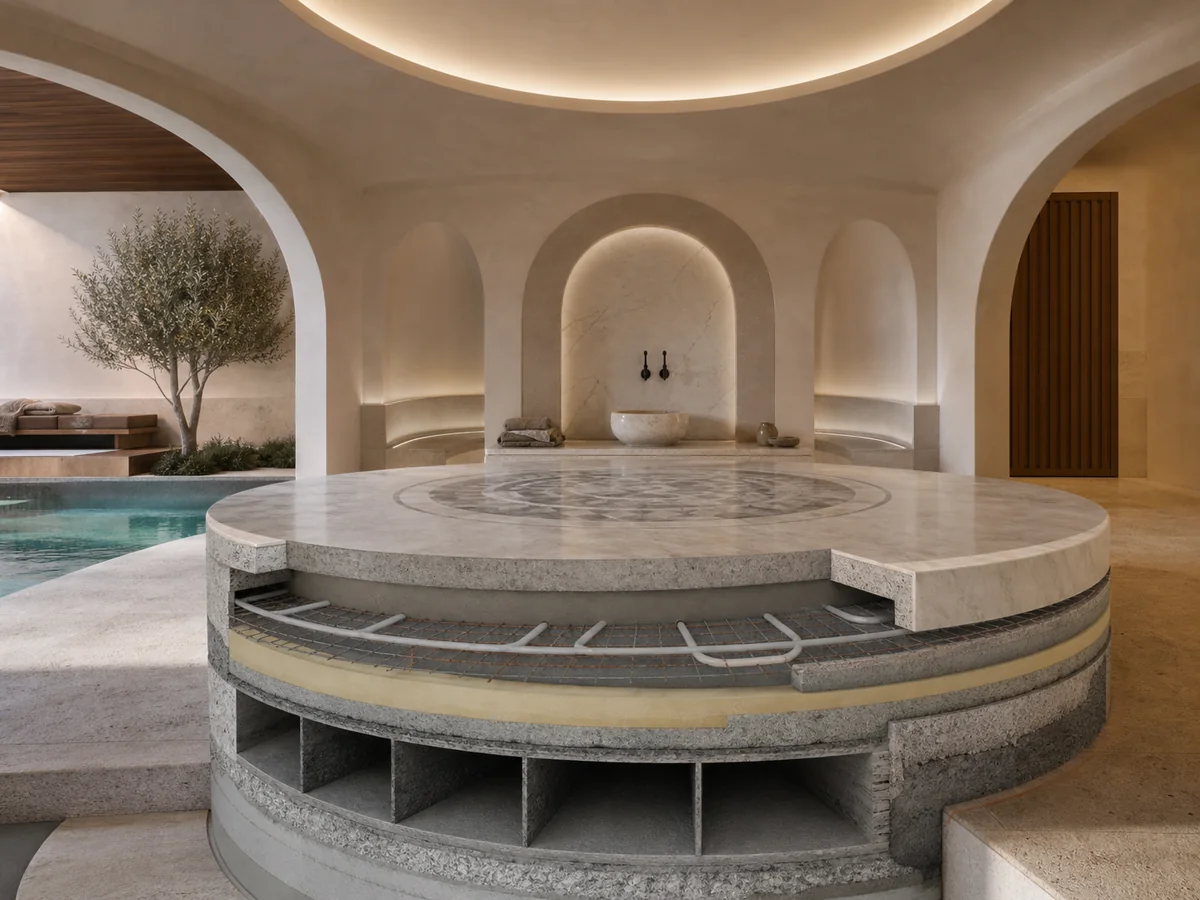 02
02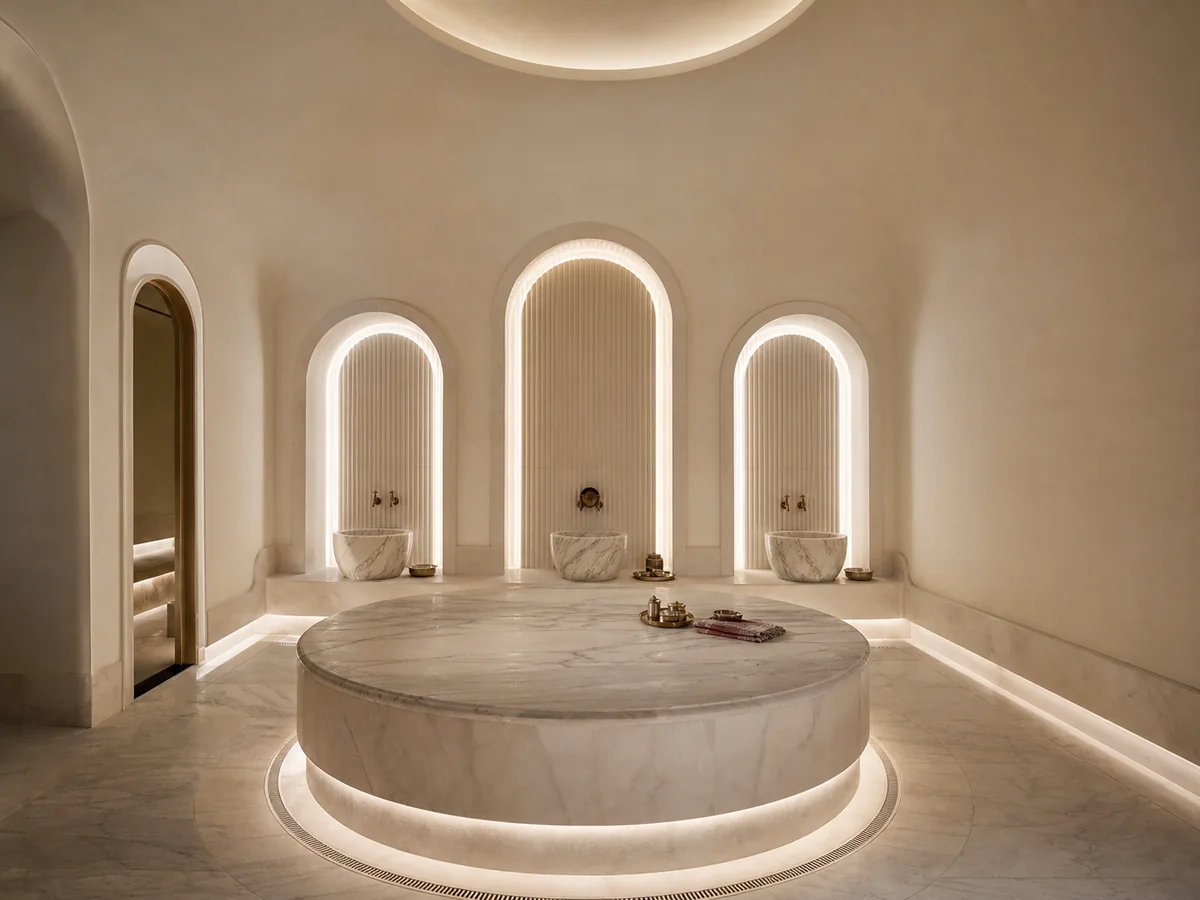 03
03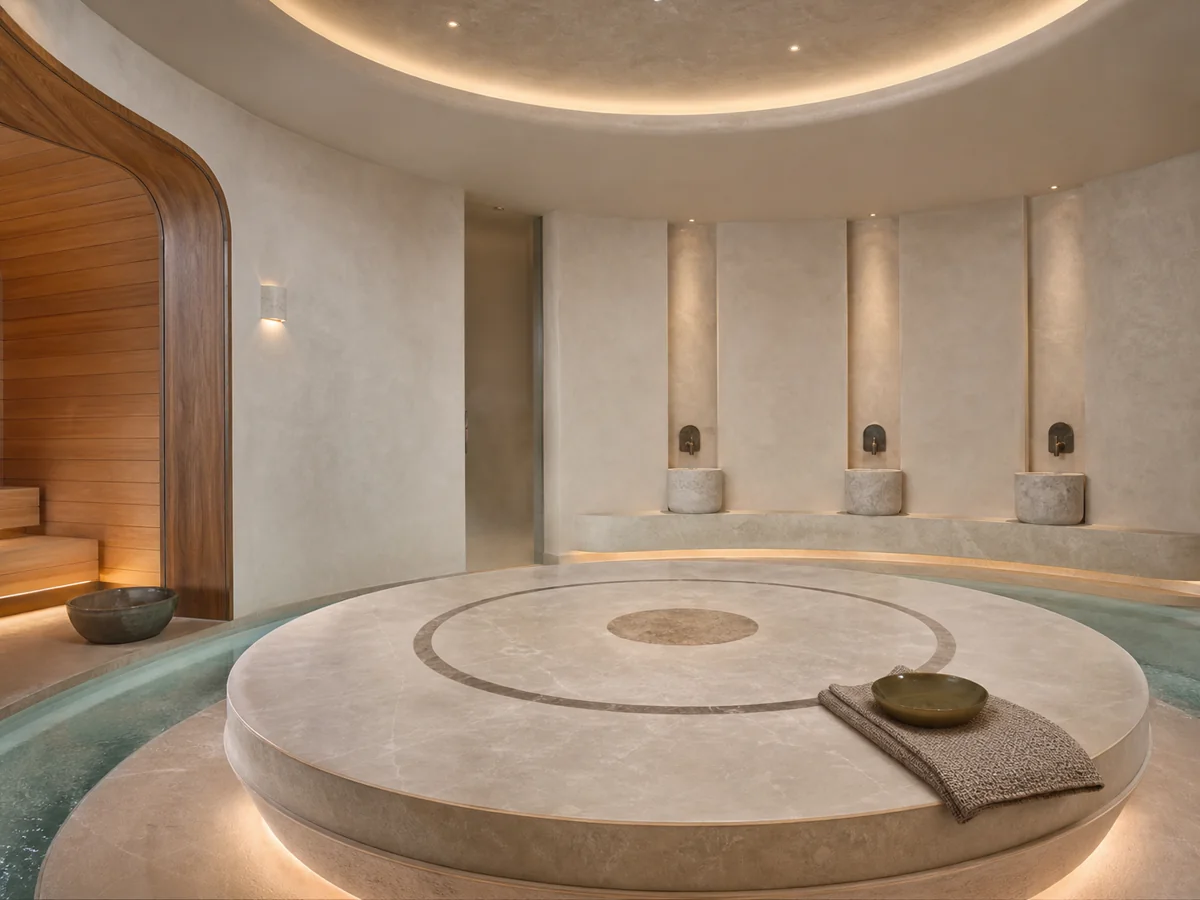 04
04Company & Contact
To talk about your project, we are one call away.
Legal Name
Çilek Havuz
Founded
1998 · Istanbul
Head Office
Çilek Plaza, Eyüp Sultan Mah. Yakacık Cd. Feshane Cd. No: 2 D:4 D:1, 34885 Sancaktepe / İstanbul
Service Area
All of Türkiye · exports to 14 countries
Related articles
Keep reading.
Sık Sorulan Sorular
Our readers' most asked; with expert answers.
Çilek Havuz Content & Technical Team
Guides & Technical Content
- Response Time
- Same day
- Channels
- Phone · E-mail · WhatsApp
If the answer you are looking for is not here, send your question directly to us and our team will reply as soon as possible.
Book a free site surveySince the navel stone is a sitting-lying surface in contact with the skin, it should be kept at a comfortable and balanced temperature that is not scorching; The aim is to warm the body softly and from the inside. The temperature is set by the thermostat or control unit of the underlying heating system. Since the comfortable temperature can vary according to personal perception, we recommend that you install the heating system in a way that can be precisely controlled.
Çilek Havuz Content & Technical Team
Since the navel stone is a large surface, it is often created by precisely combining multiple marble slabs; The important thing is to make the joints waterproof and properly. Poorly constructed joints can lead to water leakage and moisture damage to the underlying heating system. We recommend that you pay attention to the workmanship of plate joints and joints and carry out the work with an experienced team.
Çilek Havuz Content & Technical Team
Since the navel stone is a large mass, it takes time to reach the desired temperature; Especially in water pipe systems, stone absorbs heat slowly and retains it for a long time. It is common in commercial baths to preheat the stone according to usage hours and keep it at a balanced temperature throughout the day. For home use, delayed heating planning makes the stone ready for the time you will use it; It is energy efficient to set up the heating scheme according to your usage profile.
Çilek Havuz Content & Technical Team
Since the heating coil or resistors are hidden under the stone, the system should be designed to be suitable for maintenance and intervention in order to avoid difficulty in access, at the design stage. A minor malfunction in a poorly planned installation may require removal of the stone. For this reason, we recommend that you design the heating infrastructure in a way that it can be accessed with minimal intervention when service is required in the future.
Çilek Havuz Content & Technical Team
Cracks are often associated with uneven or excessive heating, inadequate substructure support, or inappropriate stone selection; Yellowing and dulling may be caused by acidic cleaning products and moisture absorption. Most of these problems can be prevented with the right stone selection, balanced heating and neutral cleaning products. Determining the cause of early detected cracks allows the problem to be eliminated before it spreads.
Çilek Havuz Content & Technical Team
The unique comfort of the navel stone arises from the balancing of the dry and soft heat radiating from the stone with the steam and humidity of the environment; The heat of the stone creates the experience not alone, but together with the bath atmosphere. For this reason, the heating of the stone should be planned in harmony with the general heating and steam system of the bath. For a holistic balance, we recommend that you install stone, ambient heating and steam system together.
Çilek Havuz Content & Technical Team