

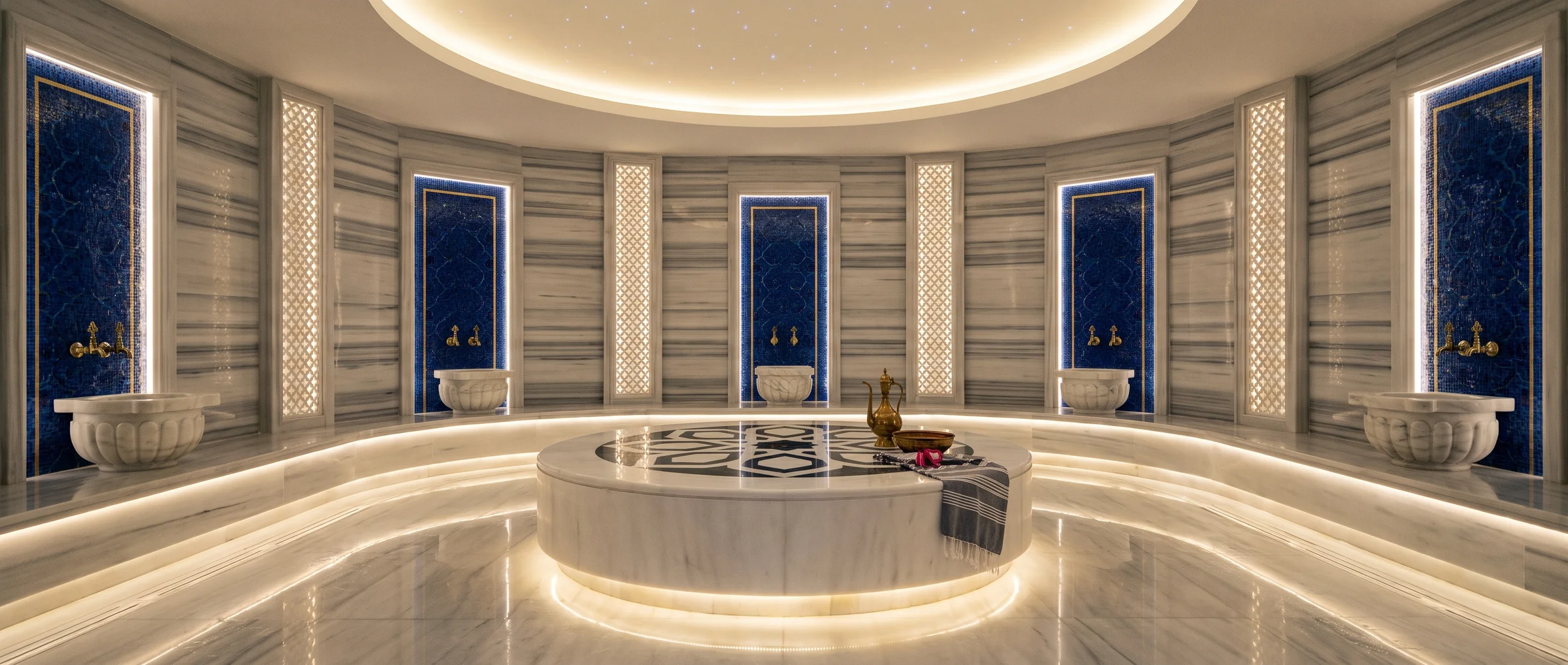
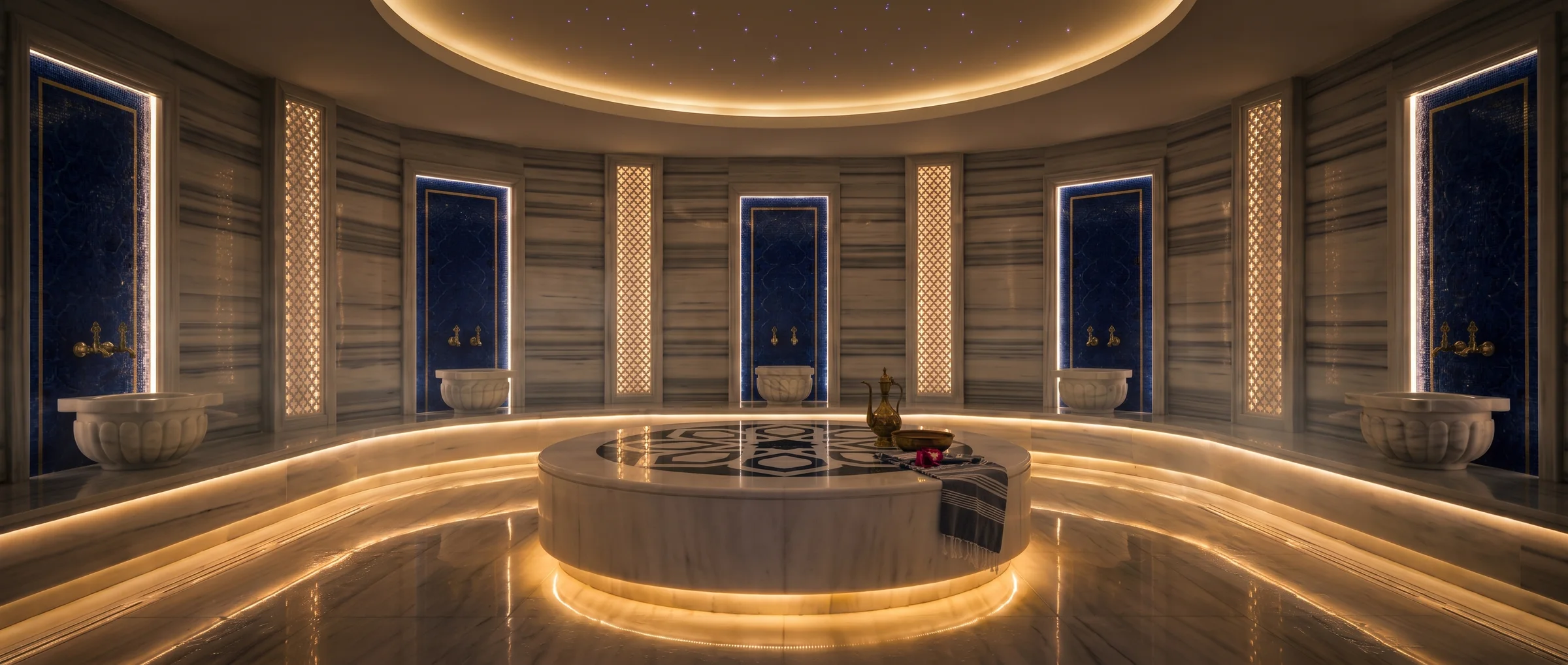
Turkish Baths
Turkish baths where tradition meets engineering.
Çilek Havuz in Numbers
We bring the coolness of marble together with the warmth of tradition.
- 33+
- Years
- 14
- Export
- 500+
- Projects
Turkish Baths — Frames from Our Projects
Frames from Our Projects
06 media
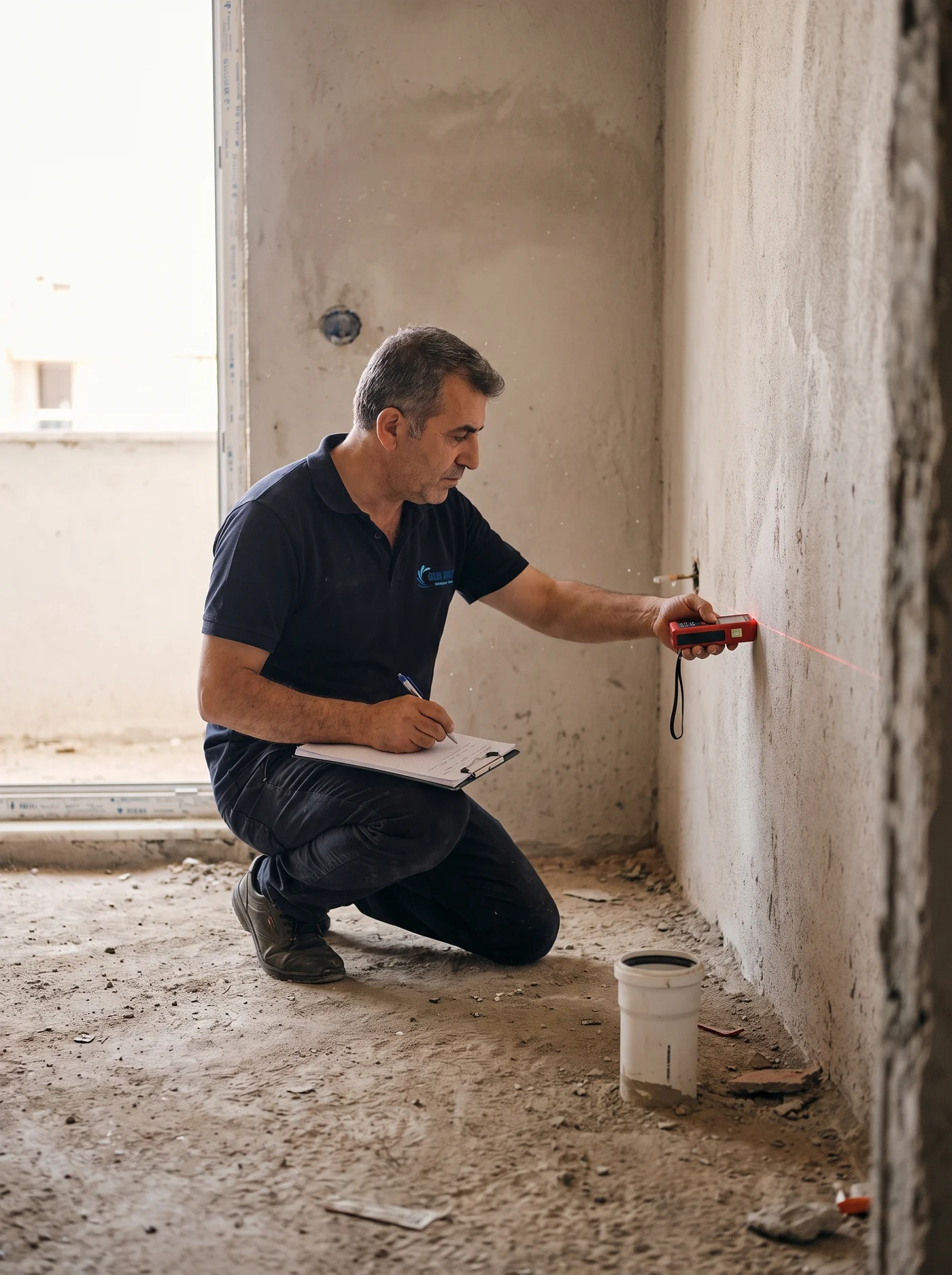
A hammam is a demanding wet room in which water, heat and steam live together. At the survey, the load-bearing capacity of the floor is assessed alongside the dimensions of the space and the ceiling height — marble and the göbek taşı (navel stone) bring considerable weight.
The water supply, the drainage, the heat source and the steam balance are discussed at the first visit; from a villa basement to a hotel spa floor, every space calls for its own solution.
- Area dimensions and ceiling height
- Floor load capacity
- Water supply and drainage
- Heat source (combi boiler / central system)
- Electrical infrastructure
- Target occupancy
- Use case (home / hotel / spa)
- Preliminary budget frame
Why it matters
Three heavy loads sit beneath a hammam: marble, water and heat. The floor that will carry all three, and the infrastructure that will feed them, must be settled on the very first day.
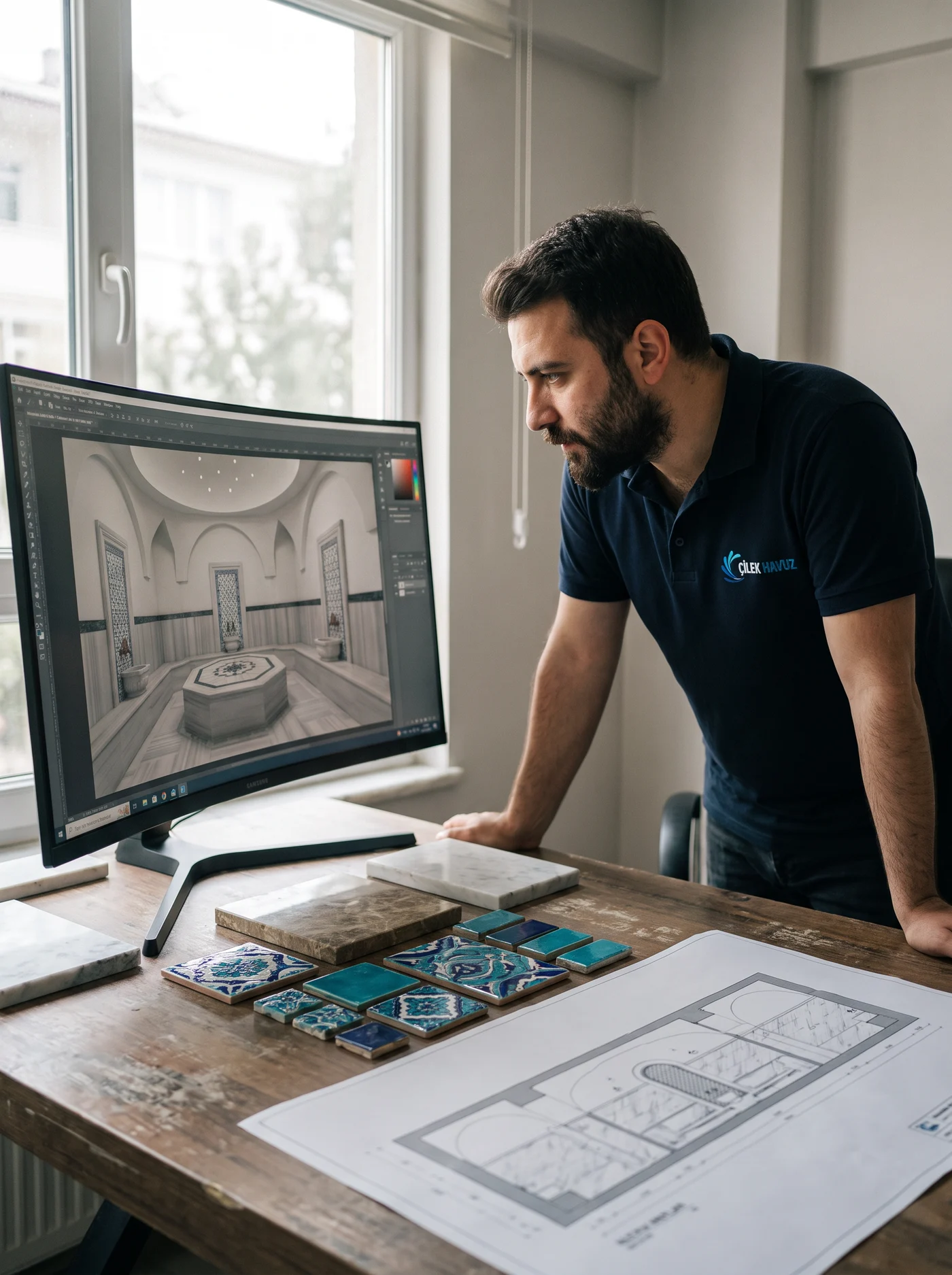
Hammam design is the composition of a stage with the navel stone at its centre. The arrangement of the kurna basins, the seating ledges, the dome or star ceiling, the niches and the light lanterns are all designed to the dimensions of the space.
The concept is chosen together, anywhere from the classical Ottoman idiom to a modern, linear reading; the design is presented in 3D visualisation, and the marble pattern and texture decisions are taken at this stage.
- Navel stone position and size
- Number and arrangement of kurna basins
- Seating ledge and seating layout
- Dome / star ceiling arrangement
- Niche and shelf details
- Lighting scenario
- 3D visualisation presentation
- Construction drawing approval
The navel stone is the heart of the hammam
The whole space is built around the navel stone: get its size, its height and its warmth right and the hammam comes alive; get them wrong and not even the most expensive marble can save it.
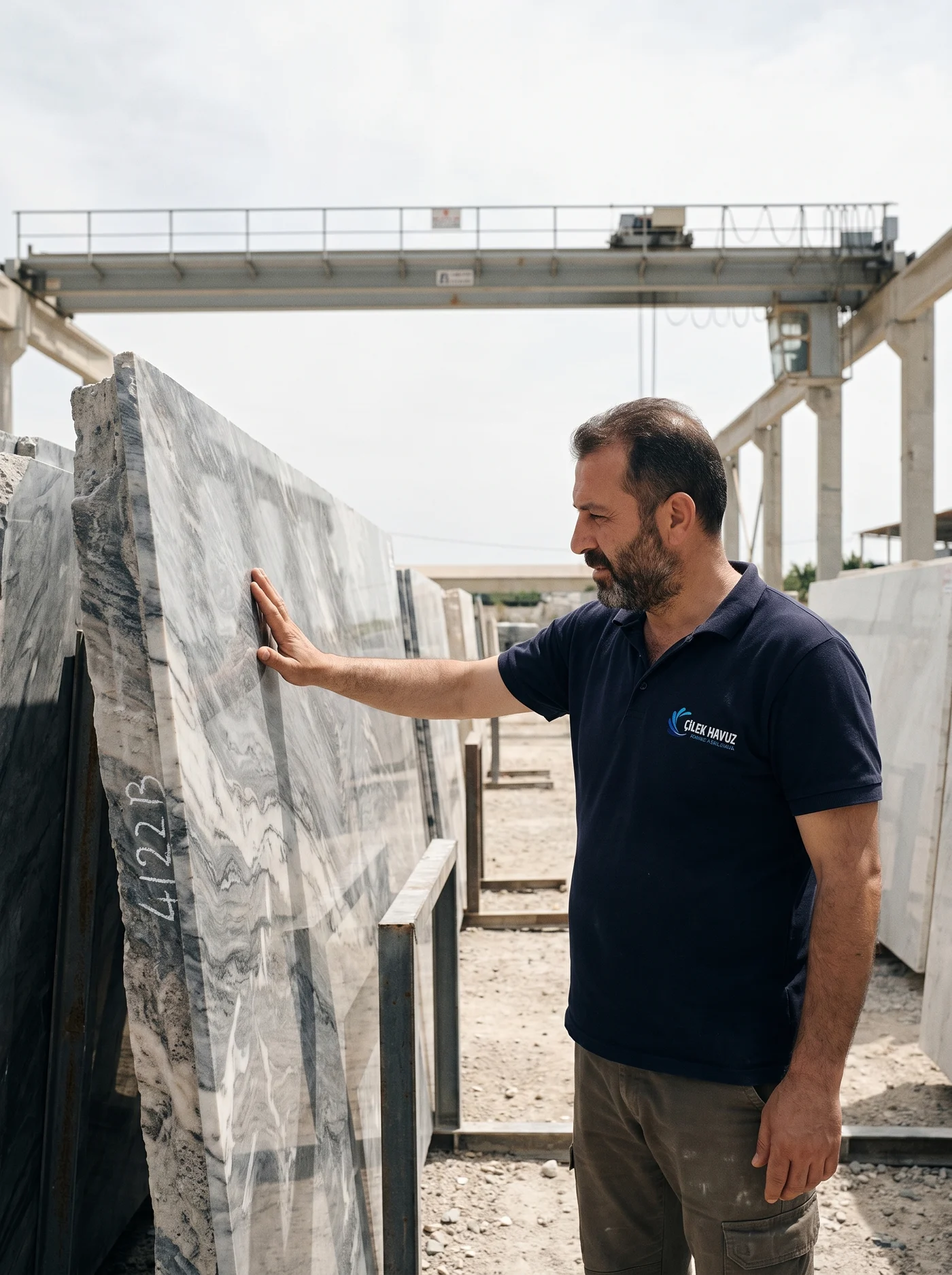
Marble for a hammam is chosen on physics before appearance: its pore structure, its heat retention and its slip resistance matter as much as the veining and the colour. Marmara white, travertine and striped (zebra) patterns are the most frequently preferred textures.
For the navel stone and the seating surfaces, marbles that hold the heat evenly and are kind to the skin are used; on wet floors, honed (matt) non-slip surfaces. The selection is made together from quarry samples.
- Marble type and vein selection
- Heat retention capacity
- Honed / non-slip surface decision
- Navel stone slab selection
- Marble for the kurna basins and ledges
- Grout and transition details
- Sample approval
- Quarry order
Marble is the hammam's memory
Marble chosen well keeps the heat soft, takes on a patina over the years and grows more beautiful; the wrong marble is cold, slippery and open to staining.
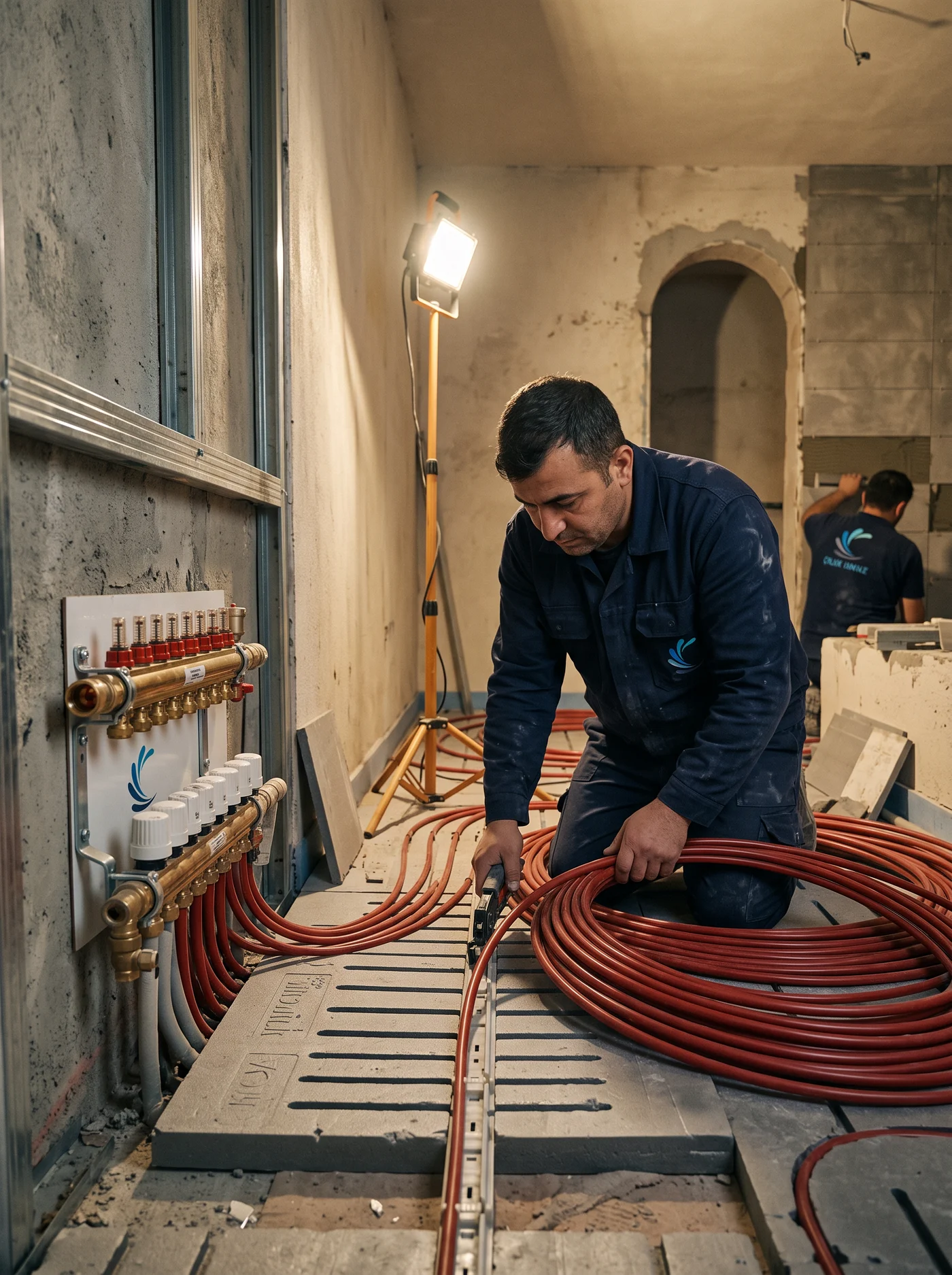
The modern equivalent of the traditional külhan furnace is the set of heating circuits laid into the floor, the seating ledges and the body of the navel stone. The marble surfaces are held in the 40-45°C band, a balance that is hot to the touch but does not burn.
A combi boiler, a central system or a heat pump can serve as the heat source; the circuits are separated zone by zone so that the navel stone, the ledges and the floor can each be managed on their own.
- Underfloor heating circuits
- Navel stone heating circuit
- Seating ledge heating circuit
- Heat source selection
- Zone control valves
- Surface temperature targets
- Heat loss calculation
- System schematic approval
Warm marble is the soul of a hammam
What makes a hammam a hammam is the stone whose warmth you feel when you lie down on it. That comfort is built on a sound circuit layout and a steady water temperature.
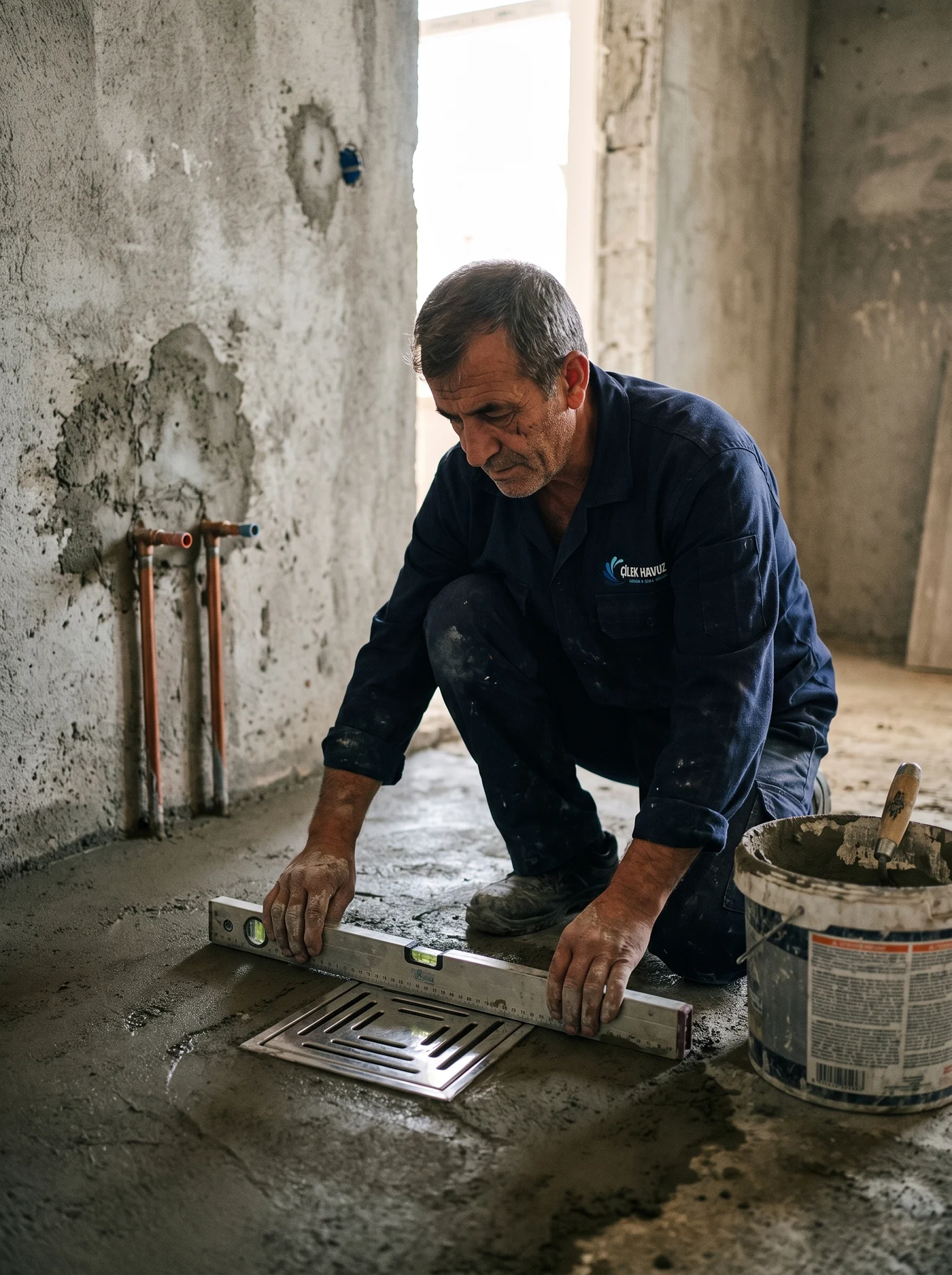
Hot and cold water lines are run to each kurna basin; the floor is formed to the correct fall so that the water runs to the gullies. Where a steam generator is to be used, its line and its service access are prepared at this stage.
Because every line will sit behind the marble, the routes are photographed and recorded in the handover file; the service points remain known even years later.
- Kurna basin water lines
- Floor falls and gullies
- Main waste line
- Steam generator line (option)
- Electrical and lighting wiring
- Heating circuit connections
- Pressure testing
- Photographic record of the infrastructure
The fall is the hammam's invisible craftsman
A floor on which water never pools and runs quietly to the gully is the basis of both safety and hygiene. The fall is set in the screed, before the marble.
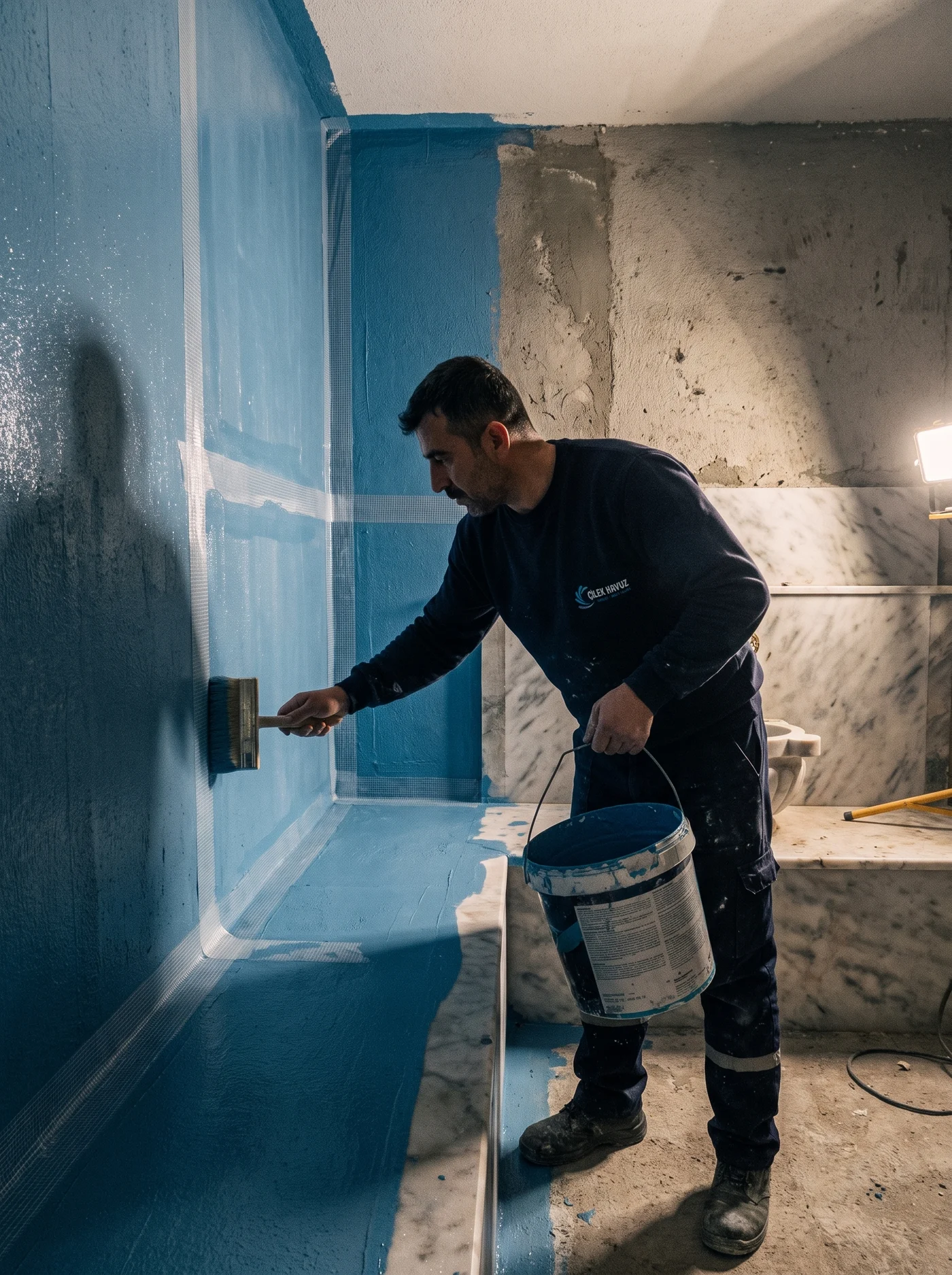
The floor, the walls and the bodies of the seating ledges are waterproofed with a double coat of liquid-applied membrane, together with the corner tapes and the gully detailing. Because a hammam works permanently wet, the waterproofing is the layer that really protects the building.
A flood test is carried out after the waterproofing; no screed or marble is laid until it is signed off.
- Surface preparation and primer
- Double coat of liquid-applied membrane
- Corner and gully tapes
- Waterproofing to the ledge bodies
- Decision on wall height
- Flood test
- Test record
- Screed laid to falls
No marble is laid without a signed-off test
A leak left beneath the marble makes itself known years later as a stain on the floor below, and the repair is a heavy one. That is why the flood test is non-negotiable.
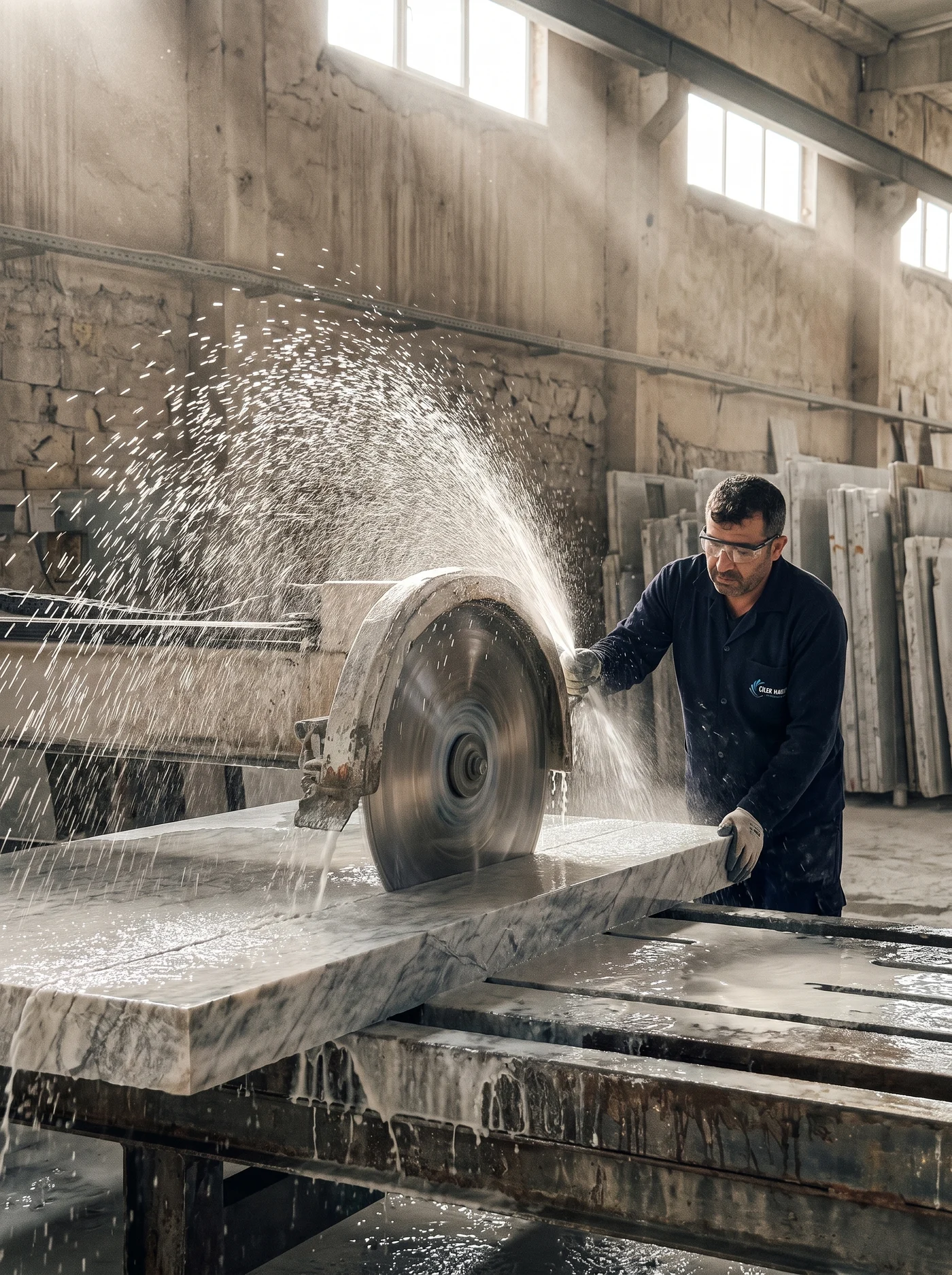
The body of the navel stone is built up so that it wraps around the heating circuit; the top is clad in marble slabs, dead level and in a single plane. Chamfered, eased finishes are used at the edges.
Its height is set for comfort in sitting and lying; with an LED run concealed beneath it, the stone becomes the floating centre of the space.
- Body construction and heating coil
- Slab setting-out plan
- Level and flatness checks
- Chamfered edge work
- Concealed LED run (option)
- Grout and silicone details
- Surface temperature test
- Navel stone sign-off
One plane, complete comfort
Even a millimetre of dish in the navel stone will pond water and spoil the comfort; the slabs are therefore set out patiently, to a single-plane target.
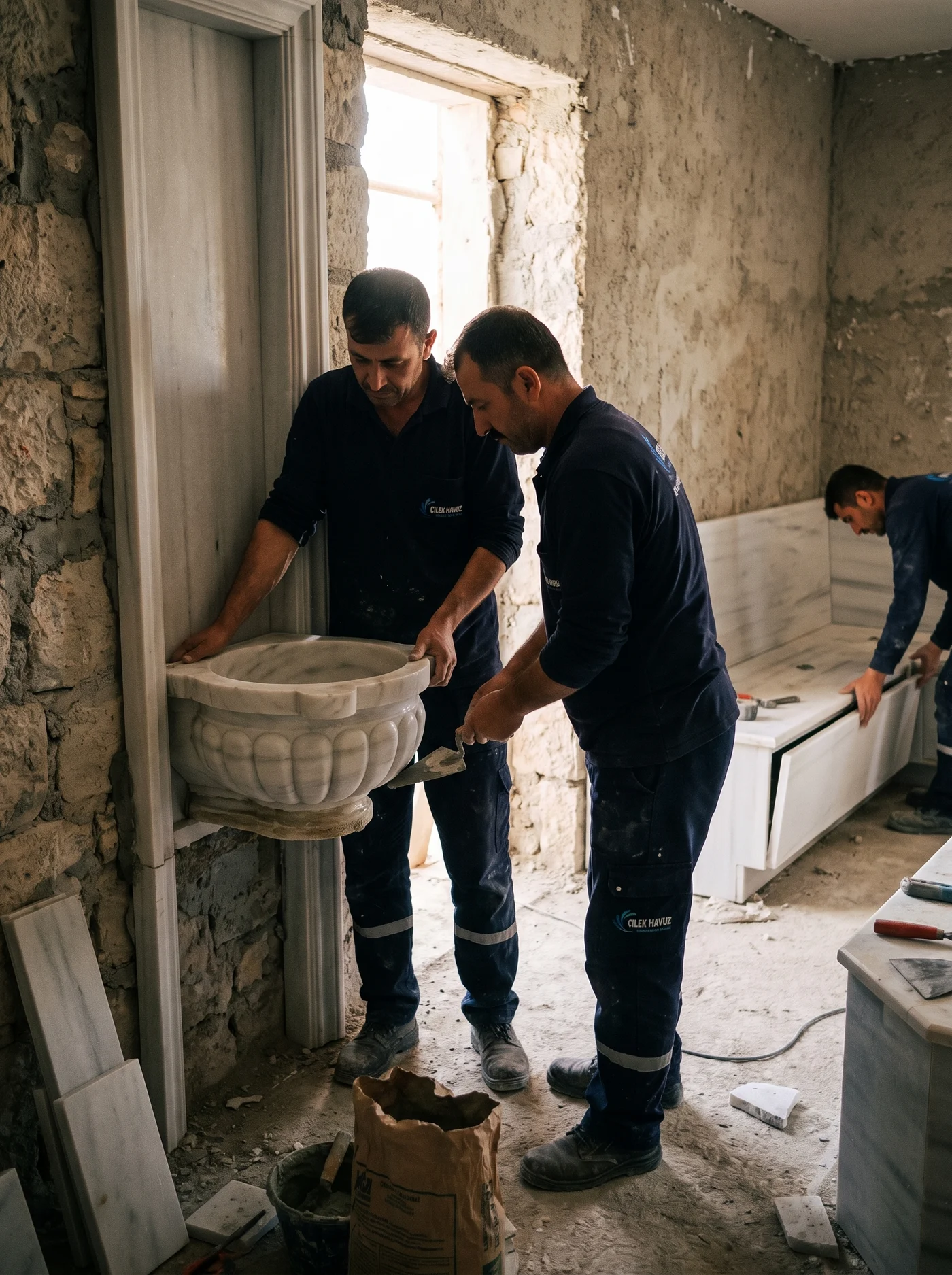
The kurna basins are made either from a single piece of marble or as a built body clad in marble, and crowned with antiqued or modern taps. The seating ledges are built over the heating circuit, at a depth suited to comfortable seating.
The splash zone around each kurna is allowed for; every station is positioned as a scene in the ritual of the kese scrub and rest.
- Kurna body fabrication
- Tap selection and installation
- Ledge depths and heights
- Heated ledge surfaces
- Splash zone detail
- Niches and shelves
- Silicone and grout finishes
- Water flow test
The kurna is the jewel of the hammam
A well-proportioned kurna and the right tap are the detail that carries the photograph of the hammam. A cheap tap will jar even beside the finest marble.
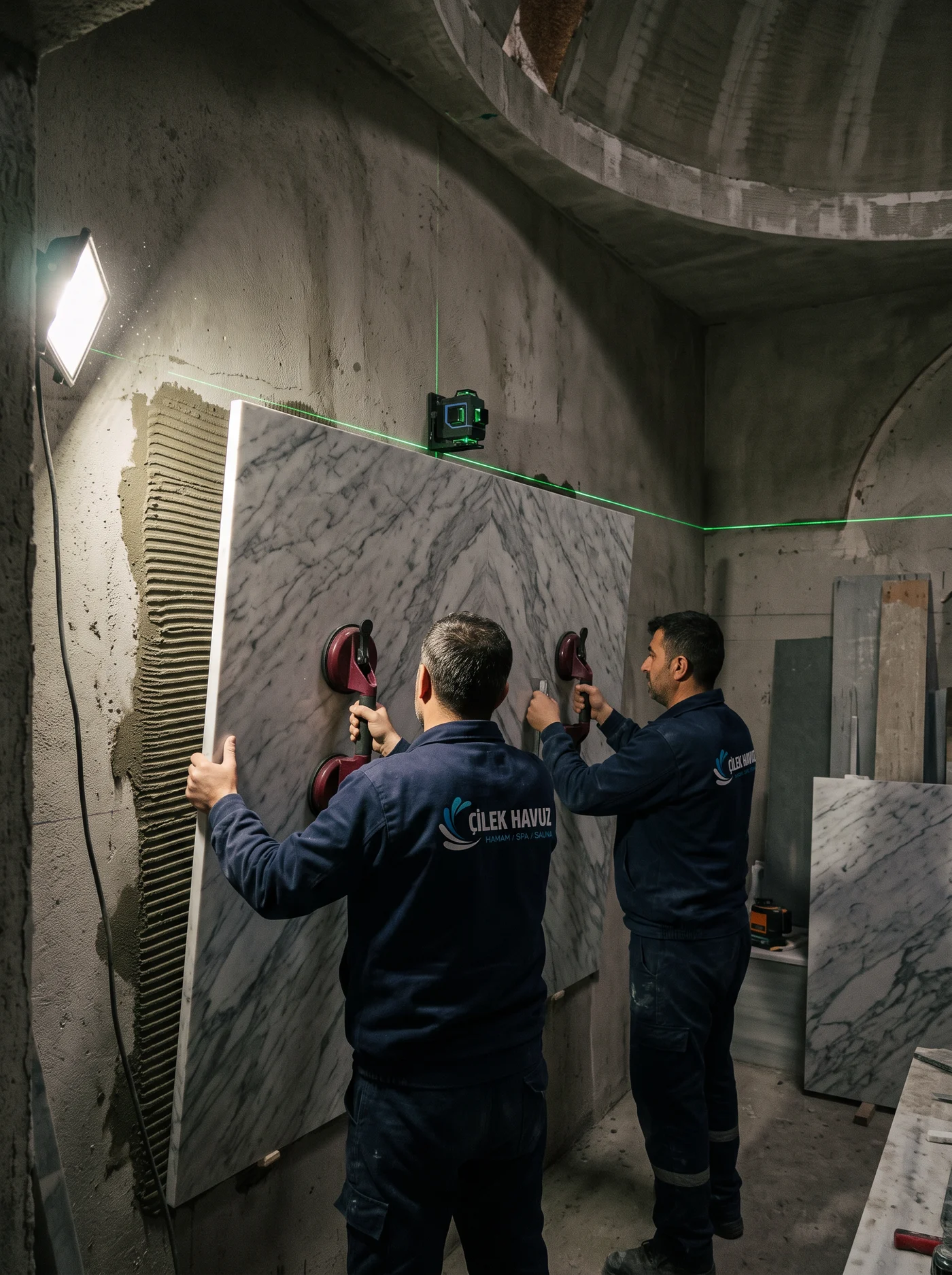
The wall and floor marbles are laid slab by slab, matched so that the direction of the vein and the continuity of the pattern are preserved. In patterned work such as chevron, the place of every slab is planned in advance.
Honed, non-slip surfaces are used on wet floors and a polished texture on the seating and reclining surfaces; the transitions are softened with chamfered details.
- Slab matching (vein following)
- Pattern (chevron / linear) plan
- Wall cladding
- Floor cladding (non-slip)
- Chamfered transition details
- Epoxy grouting
- Polished / honed surface check
- Cladding sign-off
Following the vein is the signature of craftsmanship
The difference between marble laid at random and marble that follows the vein is the difference between an ordinary wet room and an architectural hammam.
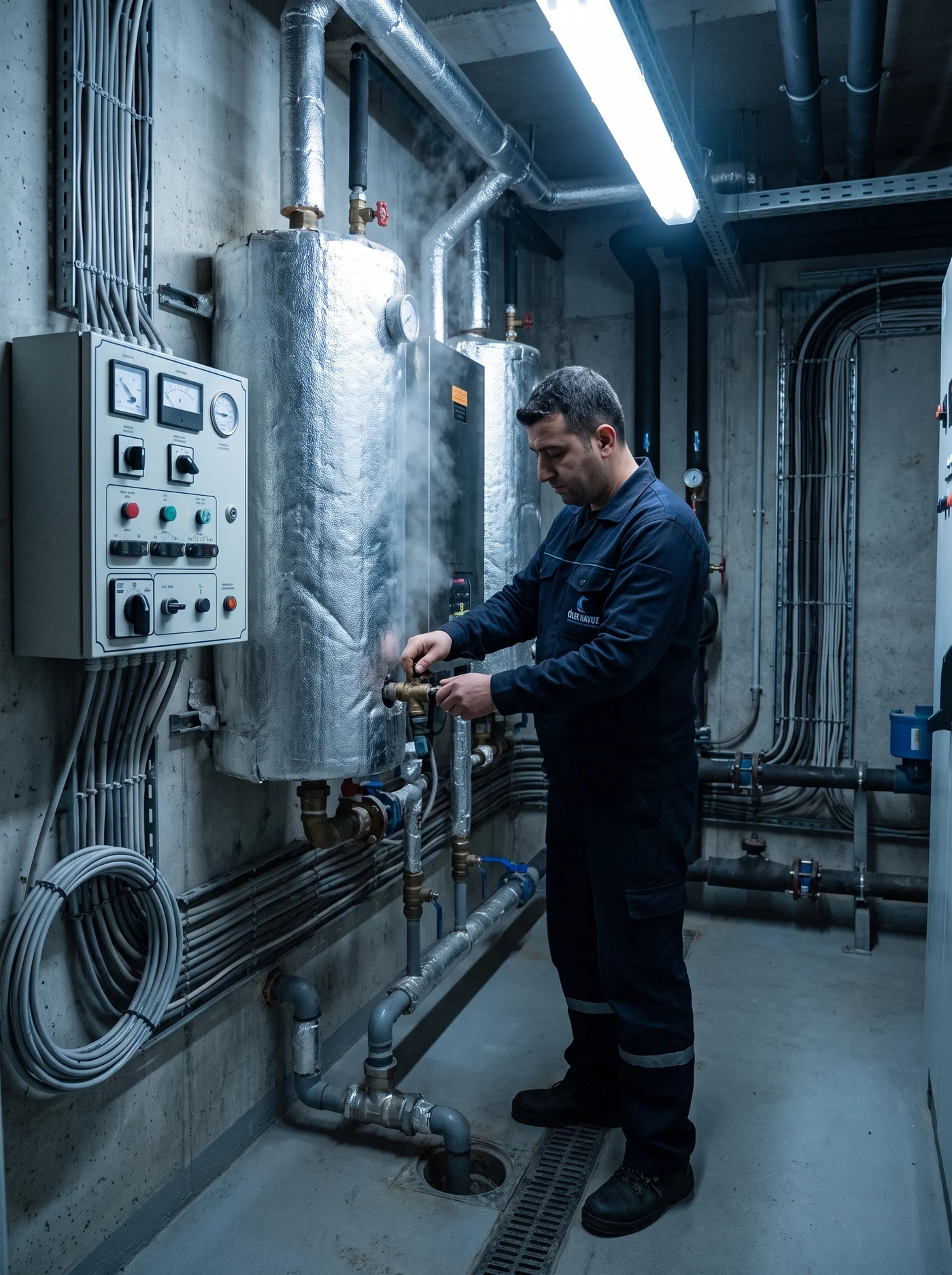
A hammam works on a soft humidity sustained by the warm marble, less dense than that of a steam room. A steam generator is added on request and a comfortable climate is established in the 60-80% band.
The air circulation at the dome or the ceiling balances the condensation of the vapour on the glass and the ceiling; a ventilation cycle after the session dries the space out.
- Humidity target and climate setting
- Steam generator (option)
- Ceiling circulation detail
- Extract fan and timer
- Condensation check
- Humidity protection to adjoining spaces
- Noise level
- Climate testing
A hammam breathes
The right humidity balance softens the warmth of the marble, eases the breathing and keeps the space clear of mould and odour for years.
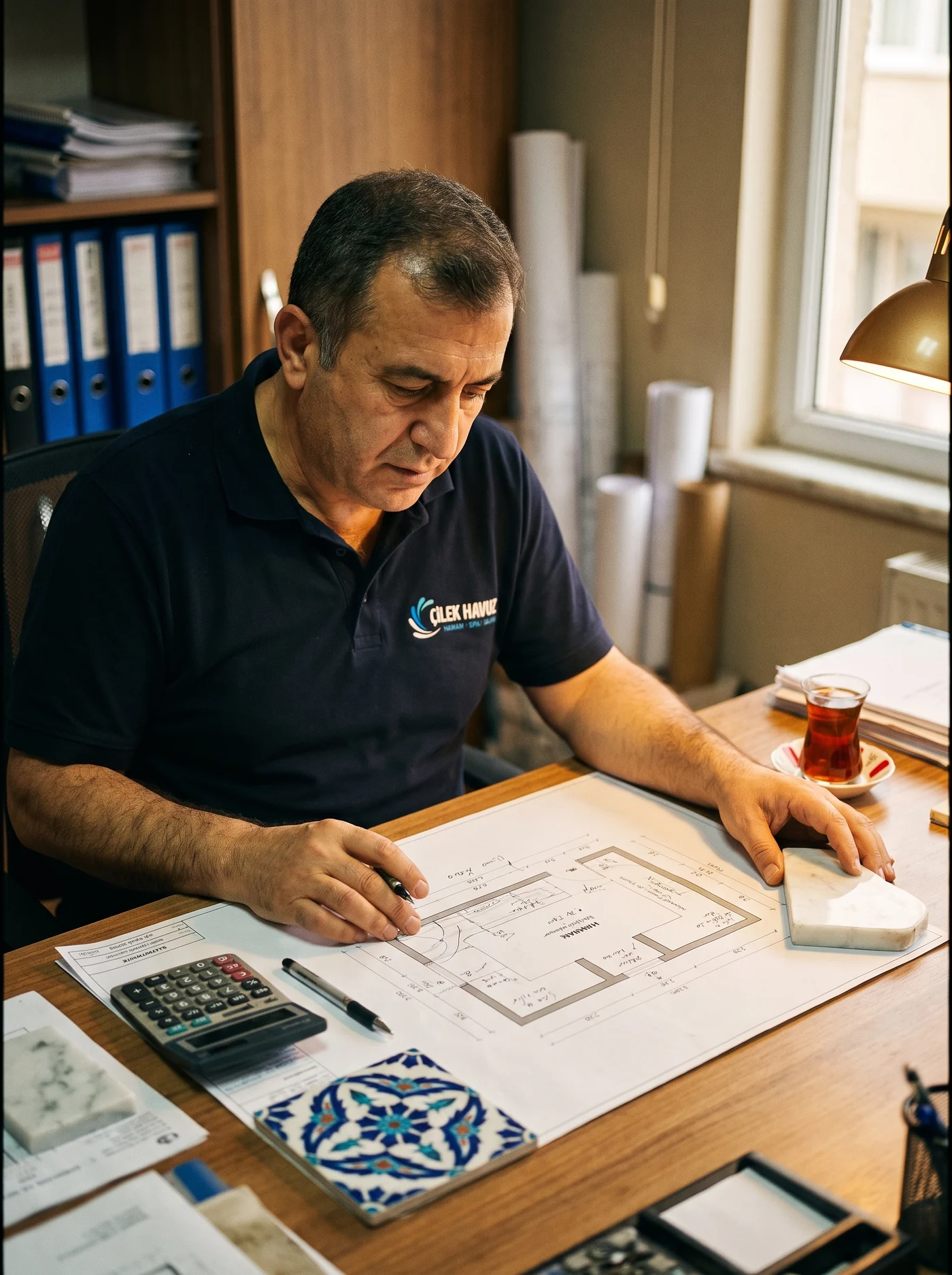
The main cost items in a hammam are the grade and area of the marble, the size of the navel stone, the heating system, the number of kurna basins and the intensity of the craftsmanship. Patterned marble work such as chevron, and details such as a star ceiling, are reflected in the budget as labour.
After the survey, Çilek Havuz presents every item in writing and with the reasoning behind it; every choice, from the marble sample to the taps, comes to you with its price alongside it.
- Marble grade and area
- Navel stone item
- Heating system item
- Kurna basins and taps
- Difference for patterned craftsmanship
- Waterproofing and infrastructure works
- Lighting and options
- Item-by-item written quote
There are no surprises in marble
Marble approved from a sample, and an area schedule in writing, make the hammam budget clear from the very start. A vague 'all-in price' runs against the nature of this work.
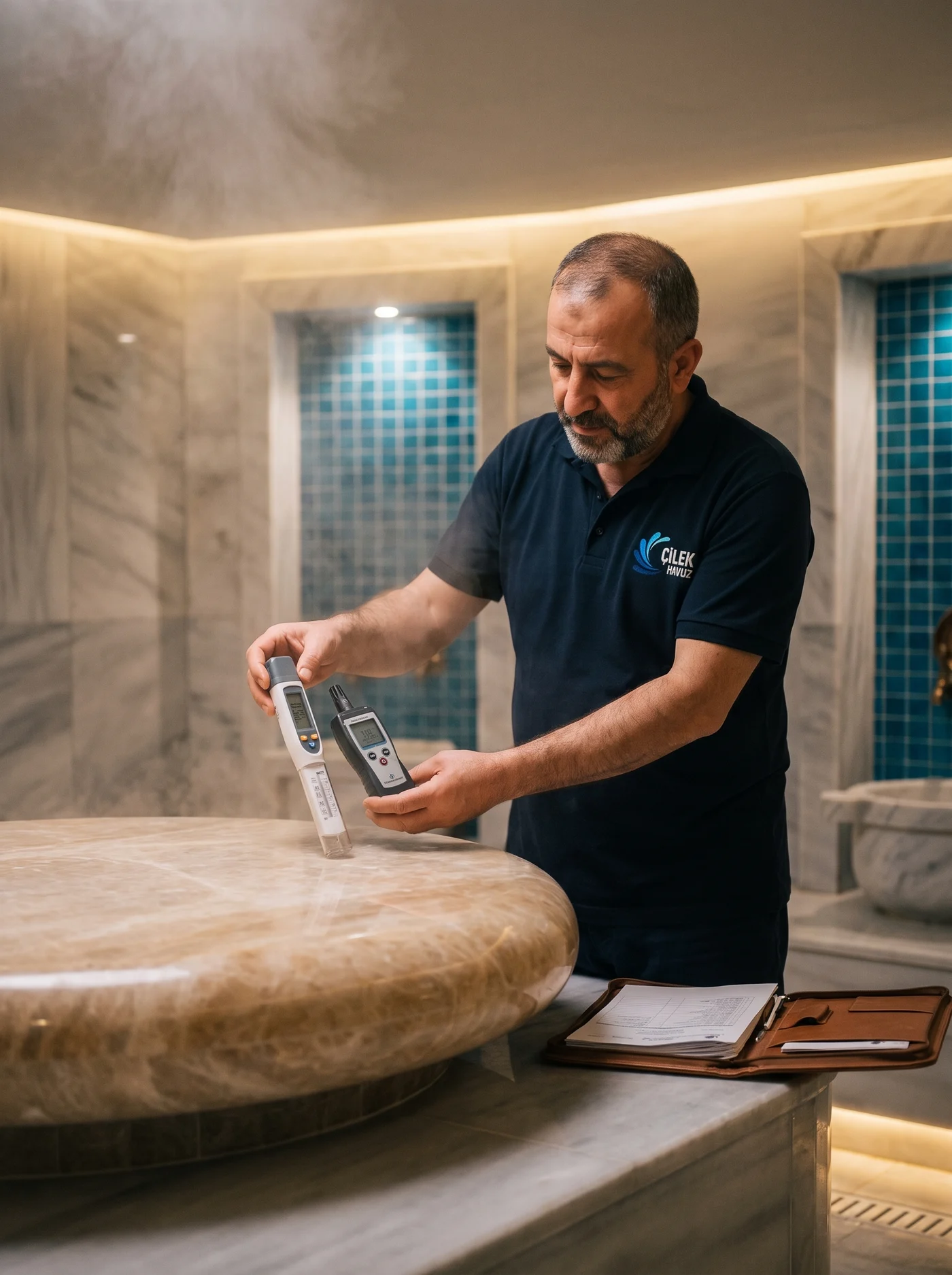
The heating circuits are brought up in stages; the marble surface temperatures, the kurna flows, the gully discharges and the humidity balance are each measured in turn. The first heat-up is done patiently so that the stone is not put under thermal stress.
A briefing on use and maintenance is given at handover: the right (acid-free) products for cleaning marble, the habit of rinsing daily and the seasonal checks. A hammam that is well cared for lives for generations.
- Graduated first heat-up
- Surface temperature measurements
- Kurna and discharge tests
- Humidity balance check
- Lighting scenarios
- User briefing
- Acid-free maintenance guide
- Warranty and handover record
A hammam lives for generations
Marble that is cleaned correctly does not age; it grows more beautiful. Keeping away from acidic cleaning and never letting residues dry on the surface turn your hammam into a space that will be handed down.
Our projects
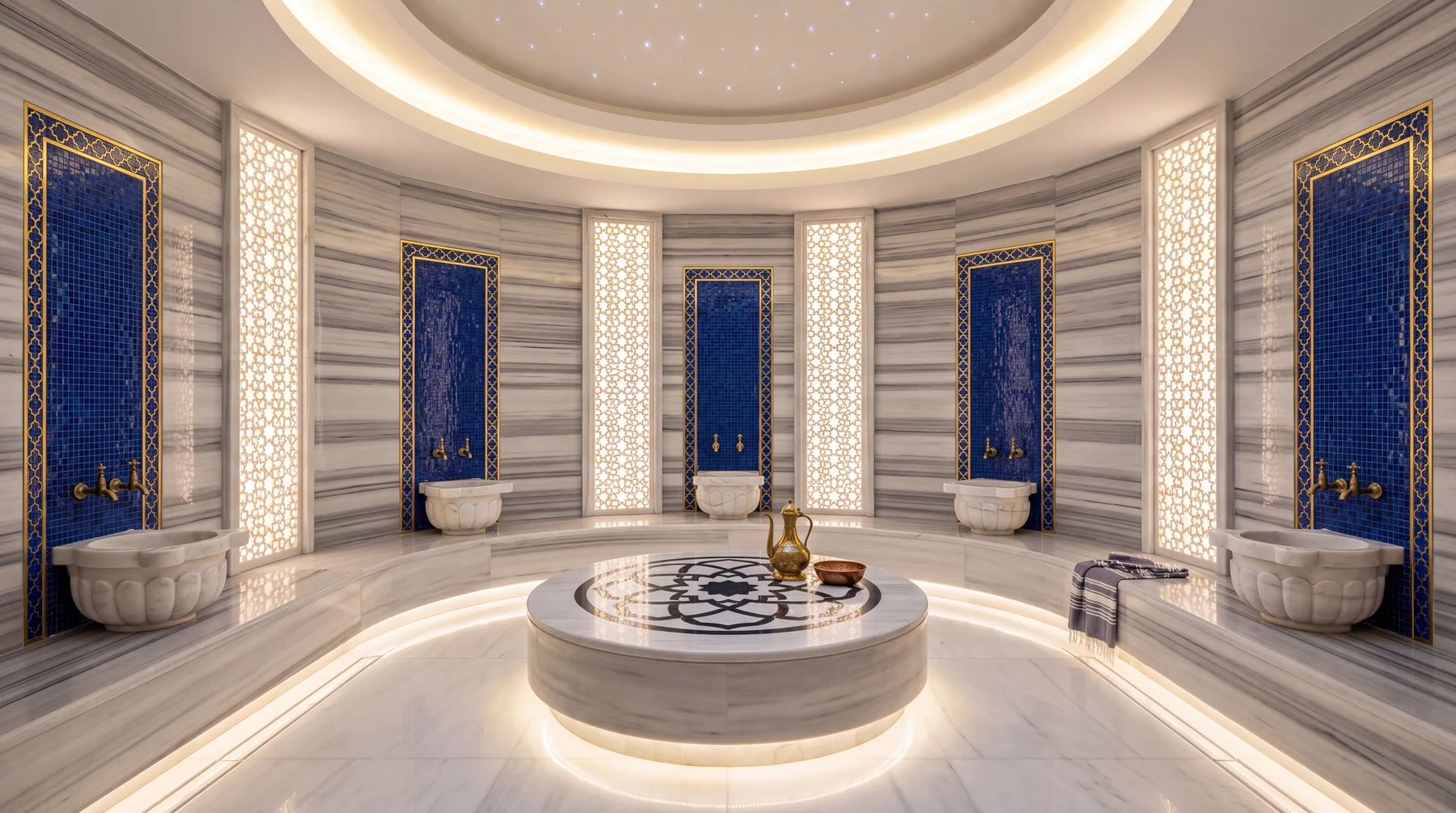
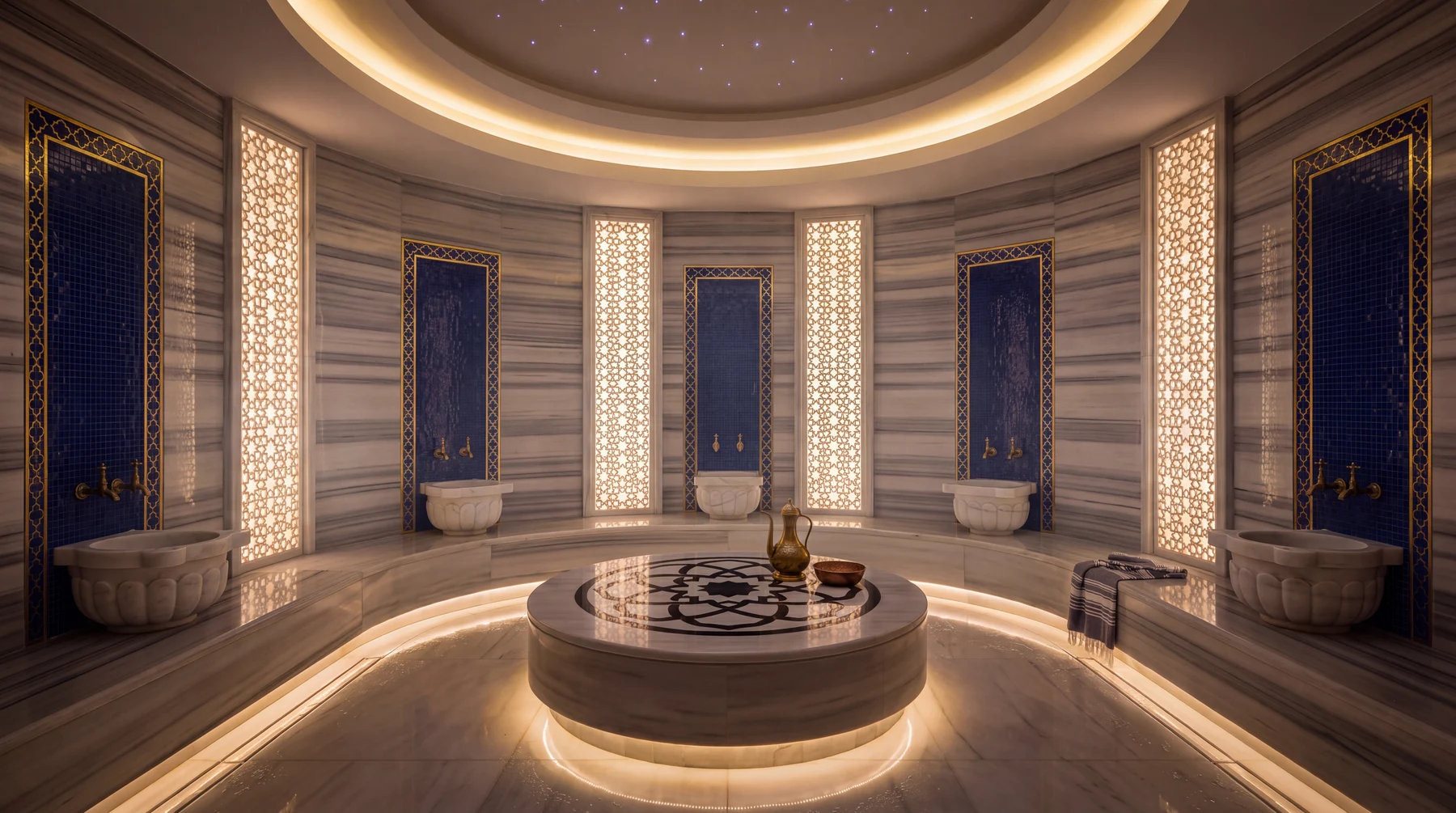
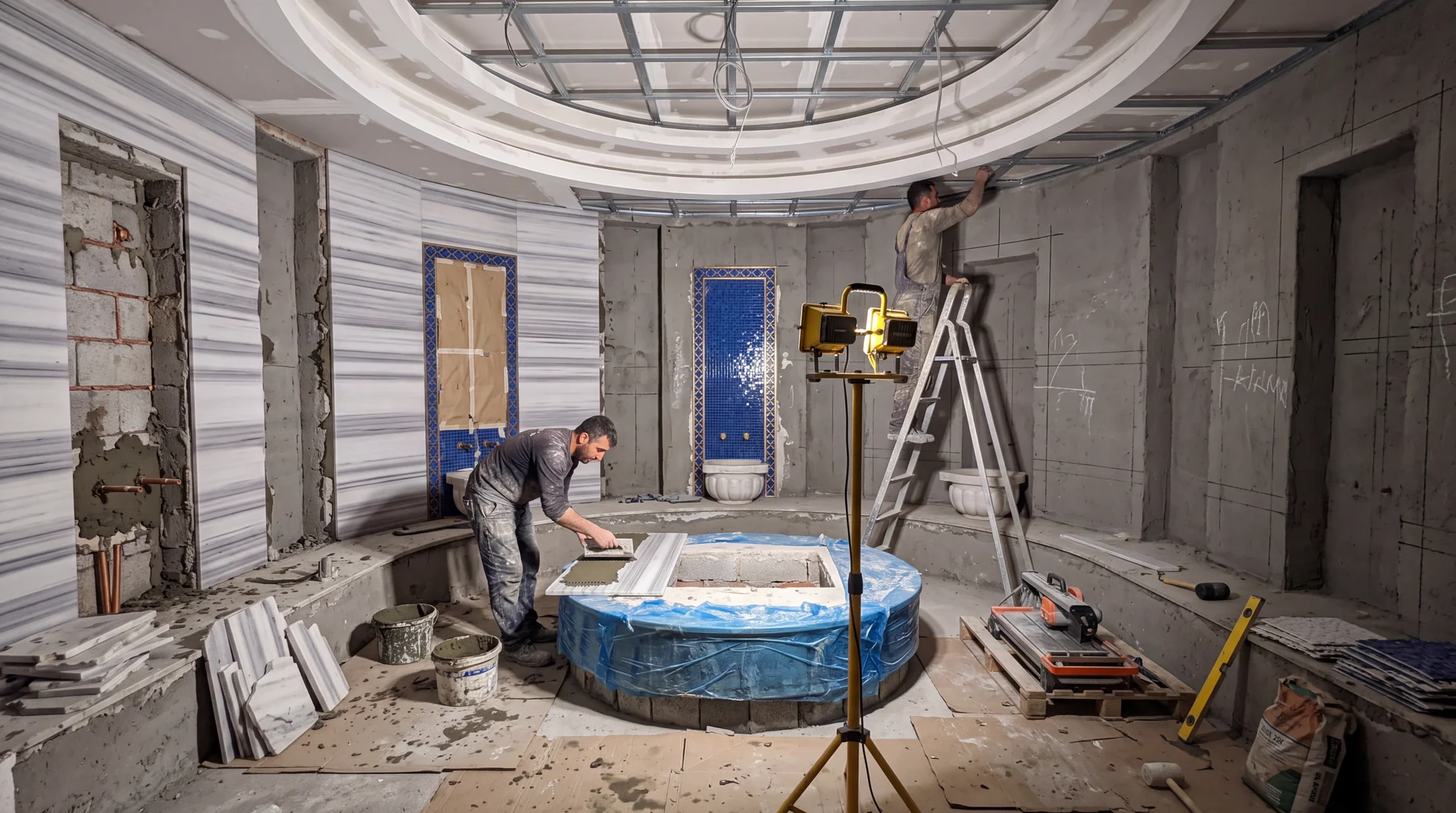
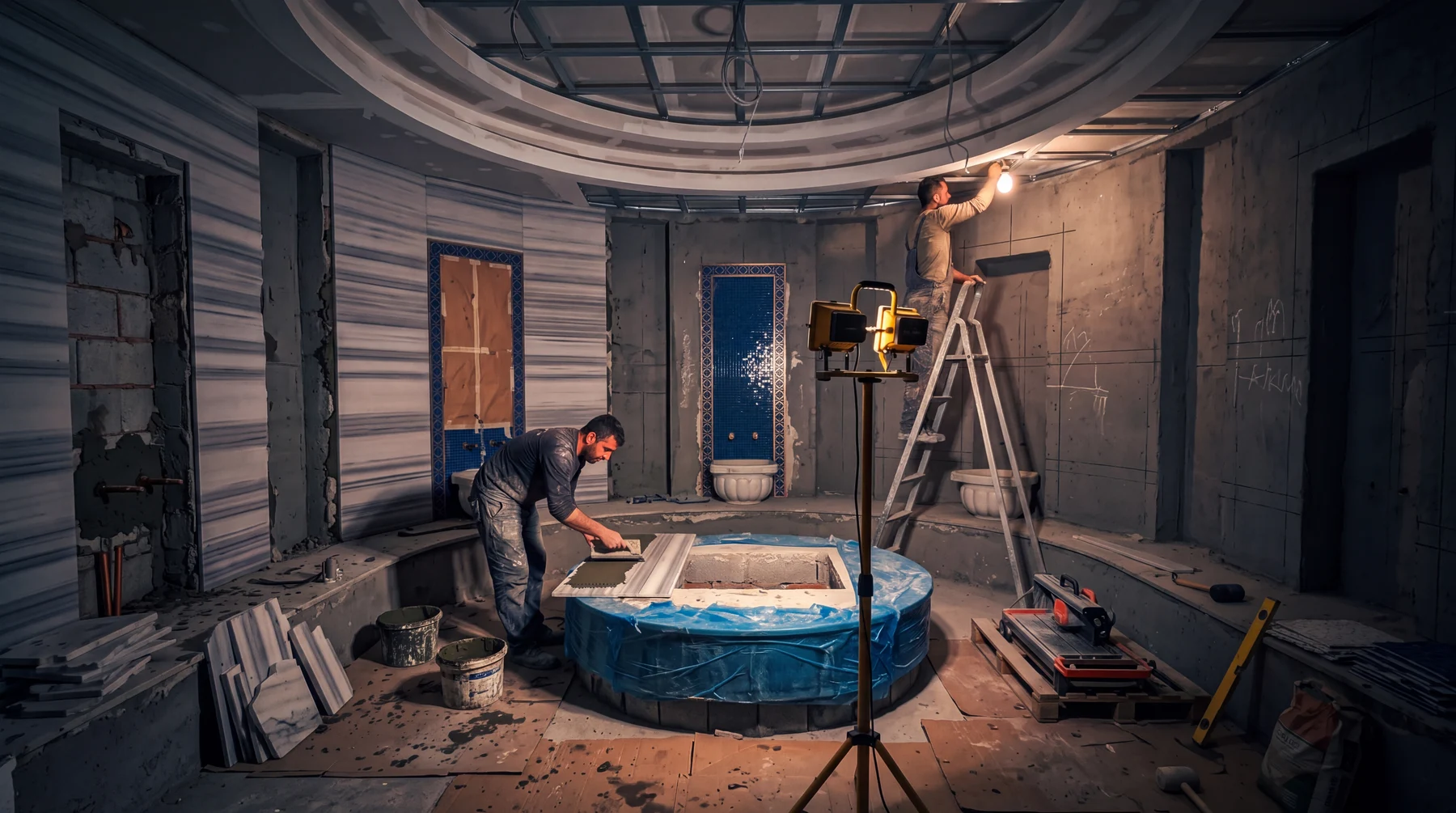
Every project is a transformation story; see the before and after for yourself.
In their own words,their own stories
From corporate facilities to villa projects — short story videos from the names who trusted us.
 Delivered with confidenceMinistry of National Defence
 Thermal comfortTenzile Erdoğan Thermal Hotel
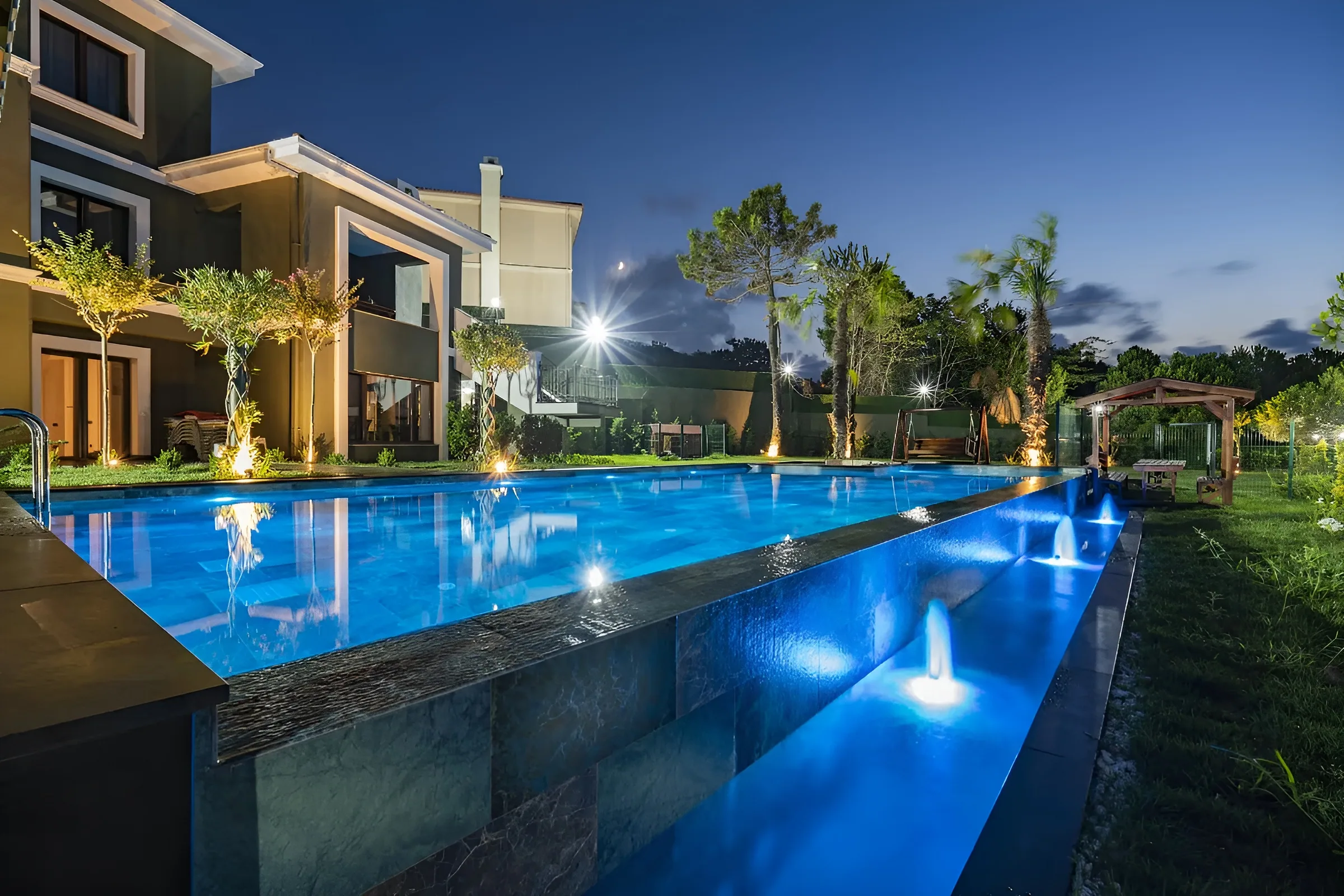 Dreams came trueMehmet Sevigen
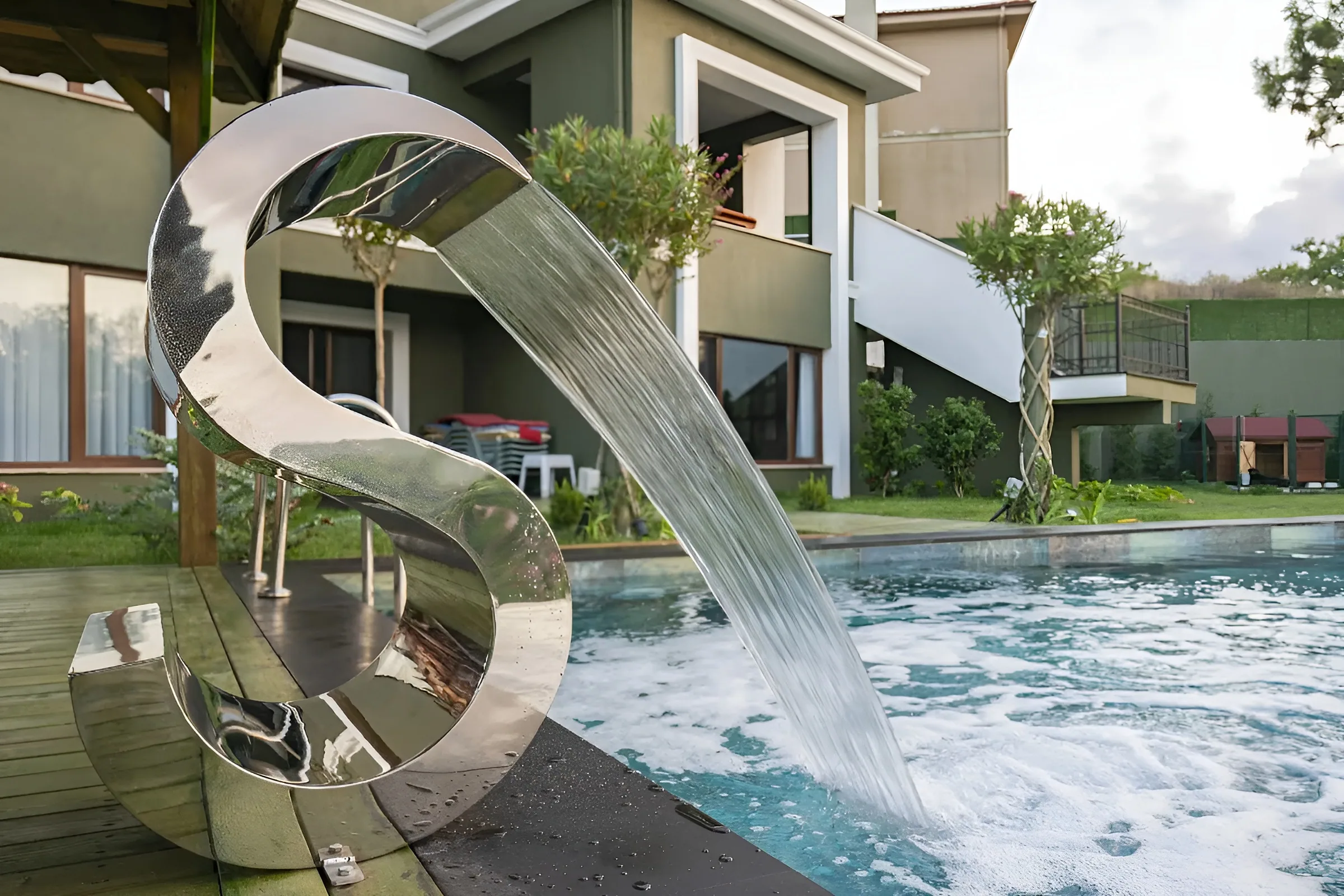 The garden's new heartHakan Gönen
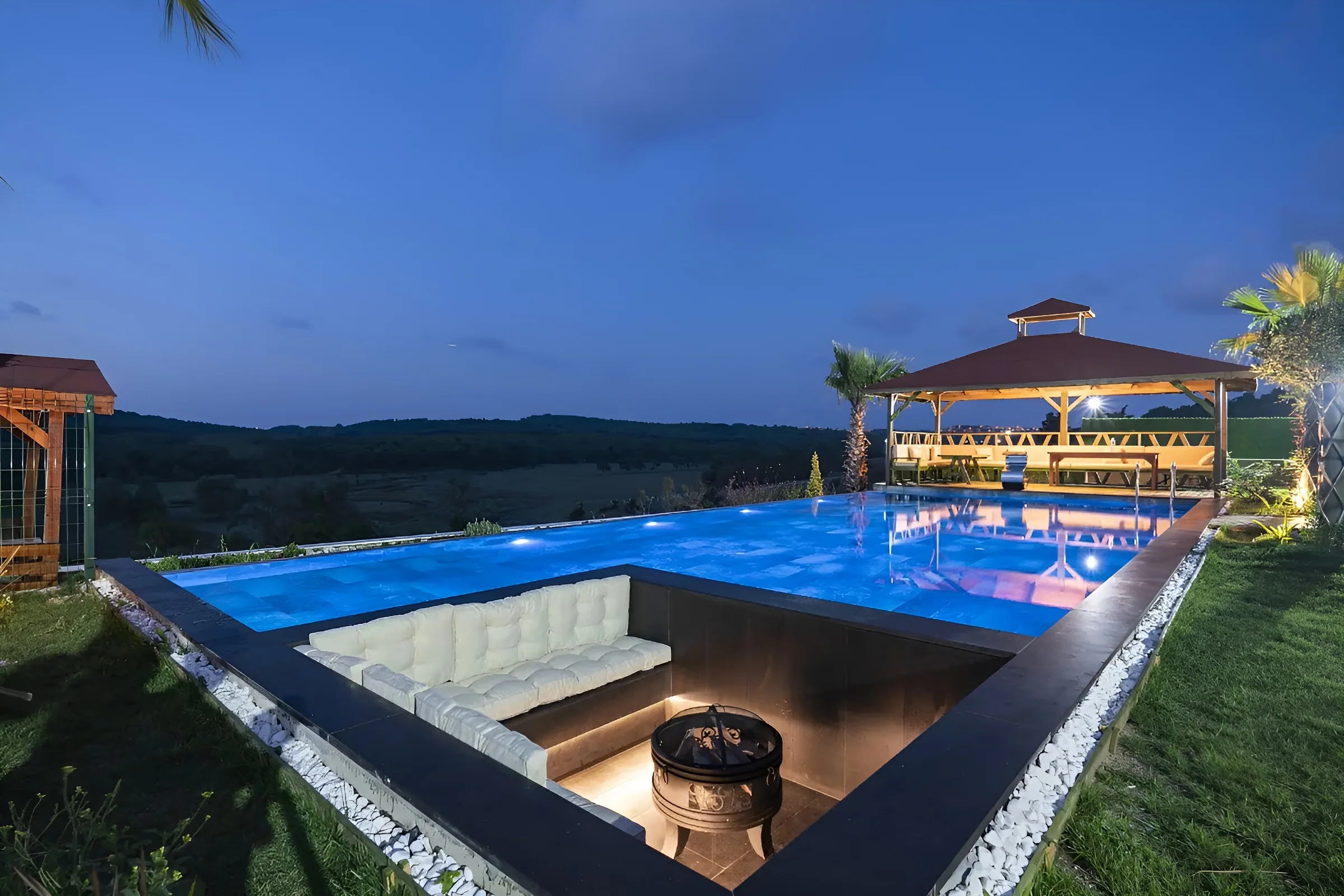 Holiday at homeÇetin Uğurlu
Wellness Comparison
Each ritual has its own character; together we choose the right warmth.
Finnish Sauna
Dry HeatDry-heat experience · Warm wood textures · A quick ritual
- Temperature
- 80-100°C
- Humidity
- %10-25
- Warm-up
- 30–45 min
- Glass Front / Door
- Aromatherapy
- Chromotherapy
- Göbektaşı Stone
- Scrub & Foam
- Automation
- Starlit Ceiling
- Made to Measure
Steam Room
Dense SteamHigh humidity · Skin-friendly · Compact build
- Temperature
- 40-50°C
- Humidity
- %100
- Warm-up
- 20–30 min
- Glass Front / Door
- Aromatherapy
- Chromotherapy
- Göbektaşı Stone
- Scrub & Foam
- Automation
- Starlit Ceiling
- Made to Measure
Turkish Hammam
TraditionalGöbektaşı ritual · Marble craftsmanship · Scrub & foam
- Temperature
- 40-50°C
- Humidity
- %60-80
- Warm-up
- Always warm
- Glass Front / Door
- Aromatherapy
- Chromotherapy
- Göbektaşı Stone
- Scrub & Foam
- Automation
- Starlit Ceiling
- Made to Measure
Company & Contact
To talk about your project, we are one call away.
Legal Name
Çilek Havuz
Founded
1998 · Istanbul
Head Office
Çilek Plaza, Eyüp Sultan Mah. Yakacık Cd. Feshane Cd. No: 2 D:4 D:1, 34885 Sancaktepe / İstanbul
Service Area
All of Türkiye · exports to 14 countries
Portfolio ·
A selection of pool and spa projects we have brought to life all across Türkiye.
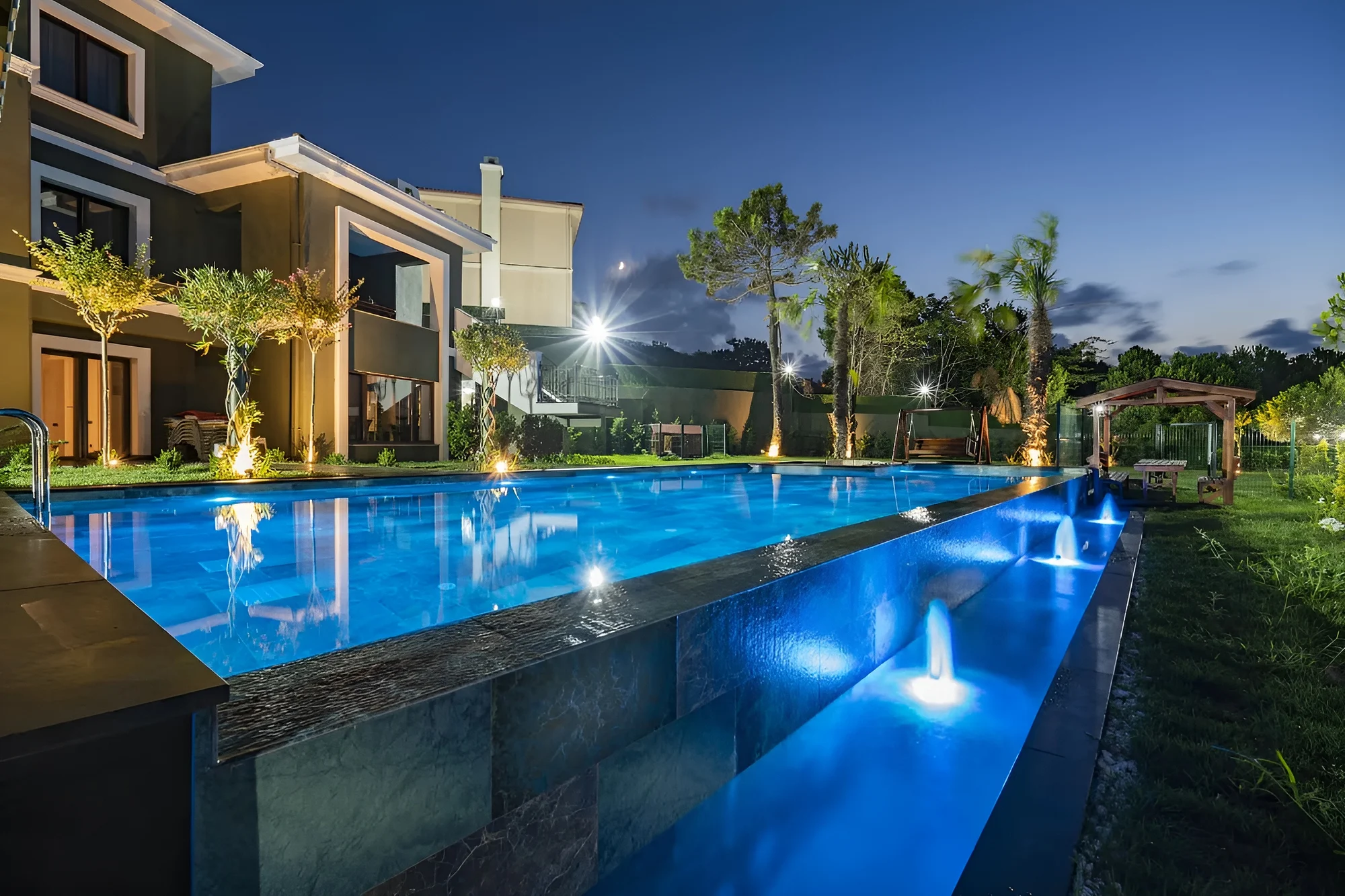 Villa
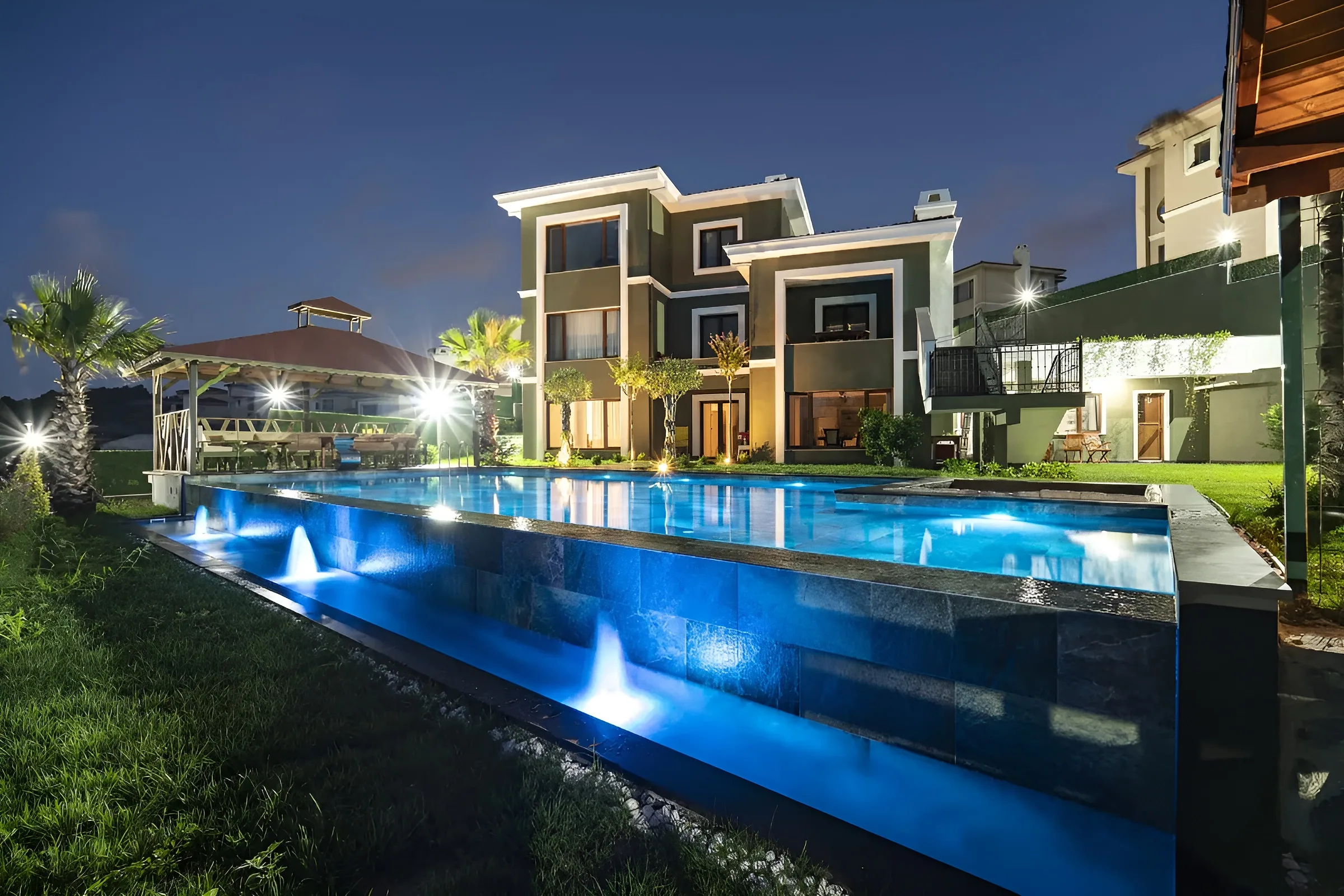
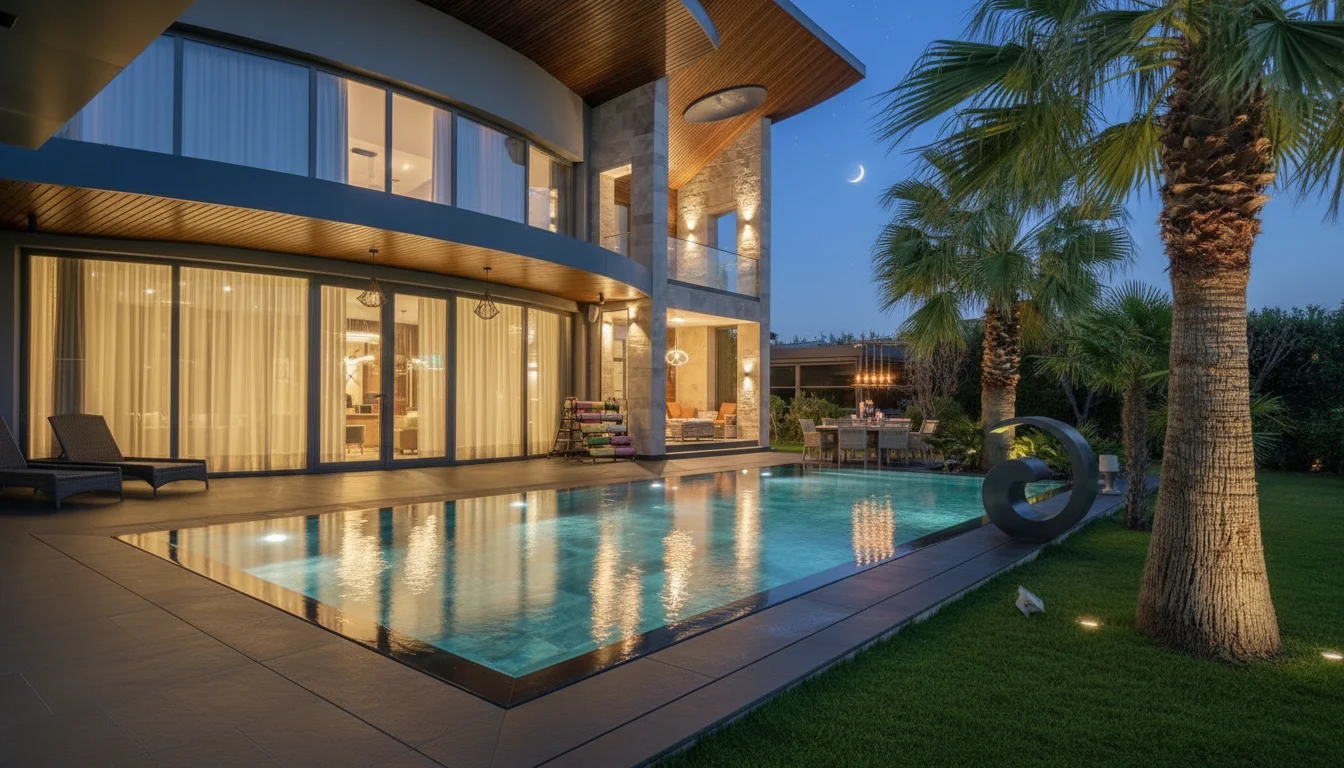
VillaMehmet Sevigen · Çatalca Infinity Pool
A 12×6 m reinforced-concrete infinity pool completed in Çatalca, Istanbul, in 2025.
- Location
- Çatalca / İstanbul
- Completion
- 2025
 Villa
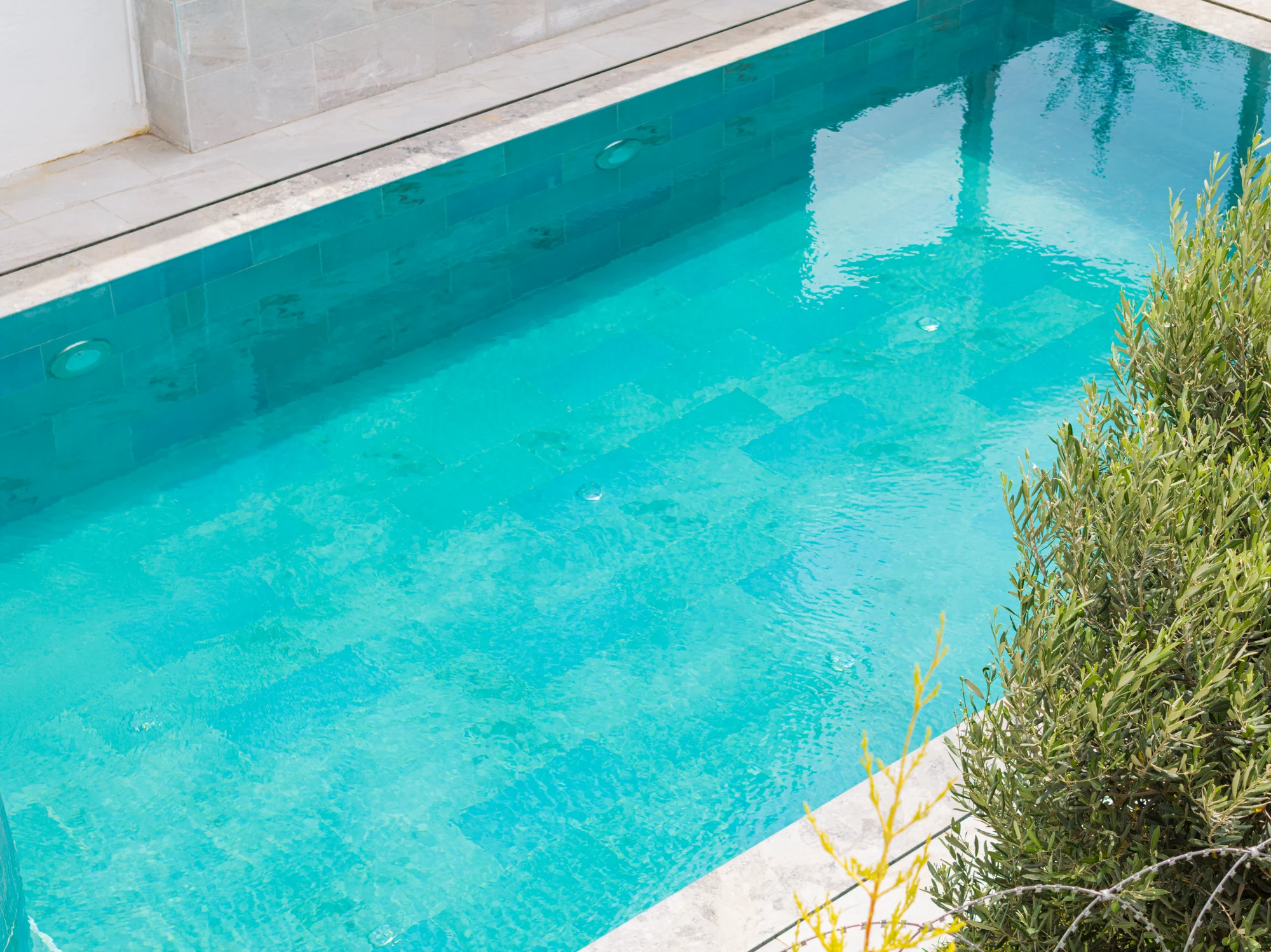
VillaHakan Gönen · Hadımköy Hidden-Overflow Pool
An 11×6 m hidden-overflow concrete pool completed in Hadımköy, Istanbul, in 2024.
- Location
- Hadımköy / İstanbul
- Completion
- 2024
 Villa
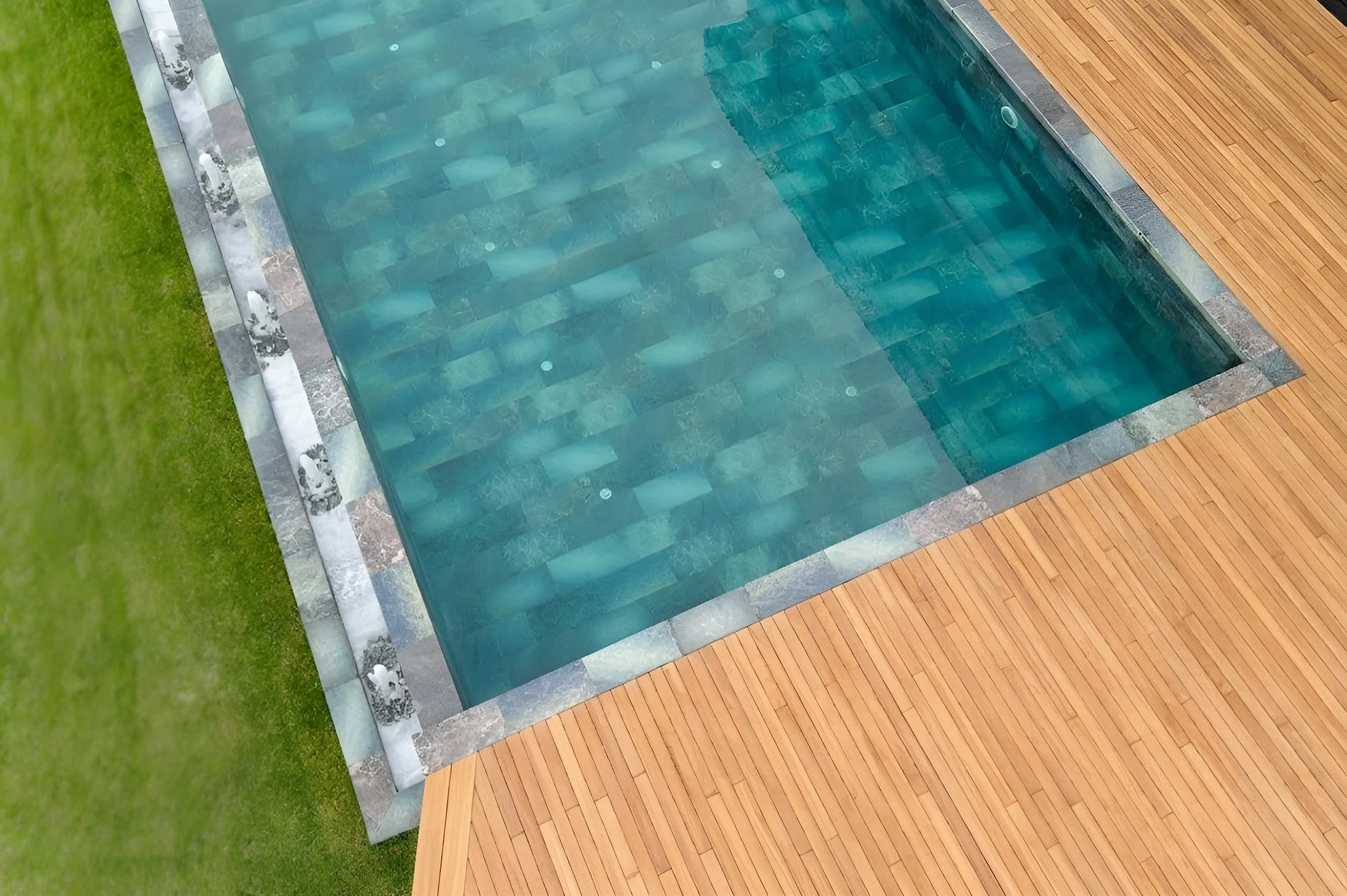
VillaZeynep Mayadağlı · Silivri Hidden-Overflow Pool
A 5×10 m hidden-overflow concrete swimming pool completed in Silivri, Istanbul, in 2024.
- Location
- Silivri / İstanbul
- Completion
- 2024
 Villa
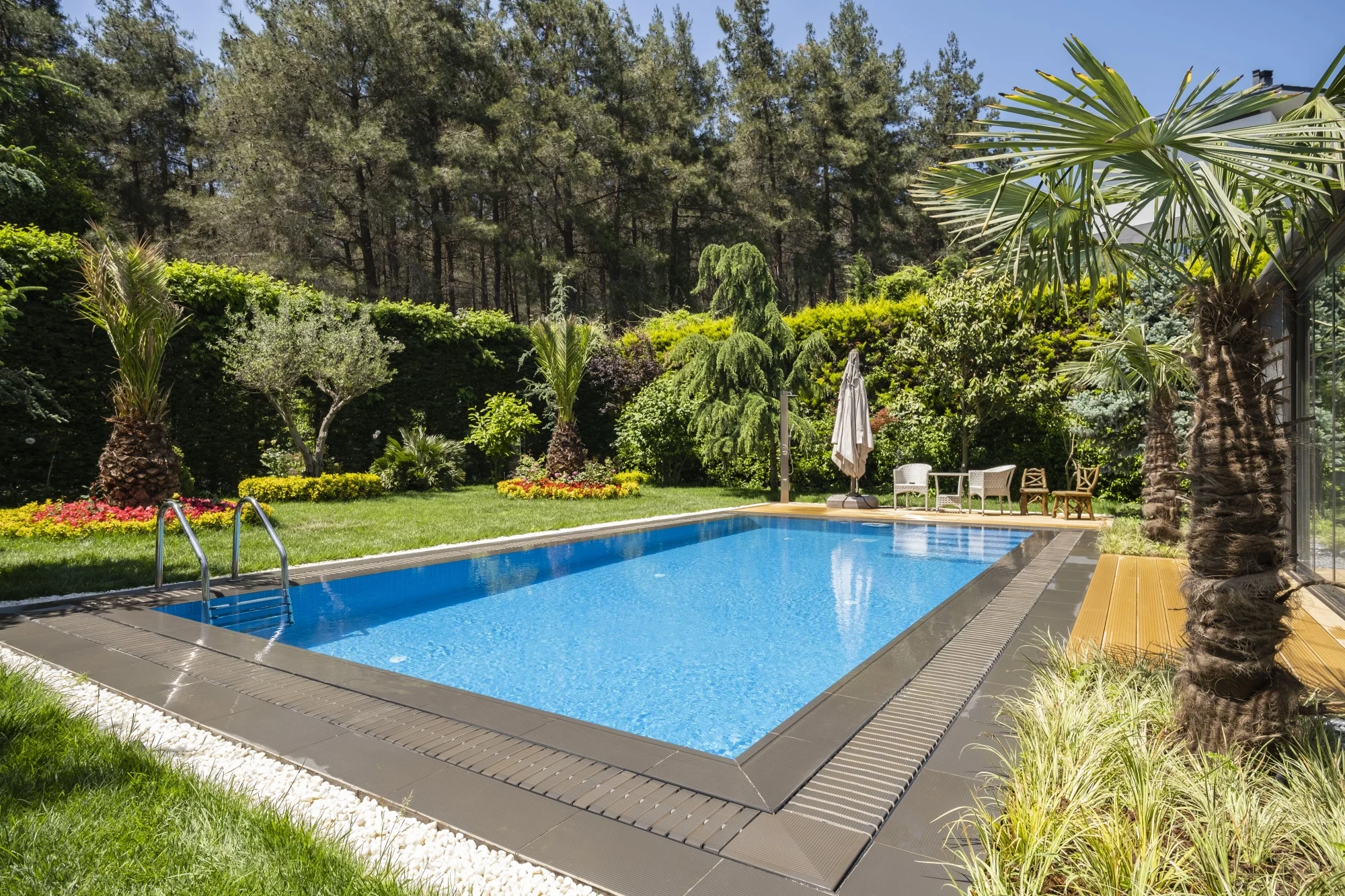
VillaÇetin Uğurlu · Villa Pool
A private villa pool project completed in Istanbul.
- Location
- İstanbul
- Completion
- 2024
 Villa
VillaRıza Latif · Çekmeköy Overflow Pool
An overflow concrete swimming pool completed in Çekmeköy, Istanbul, in 2024.
- Location
- Çekmeköy / İstanbul
- Completion
- 2024
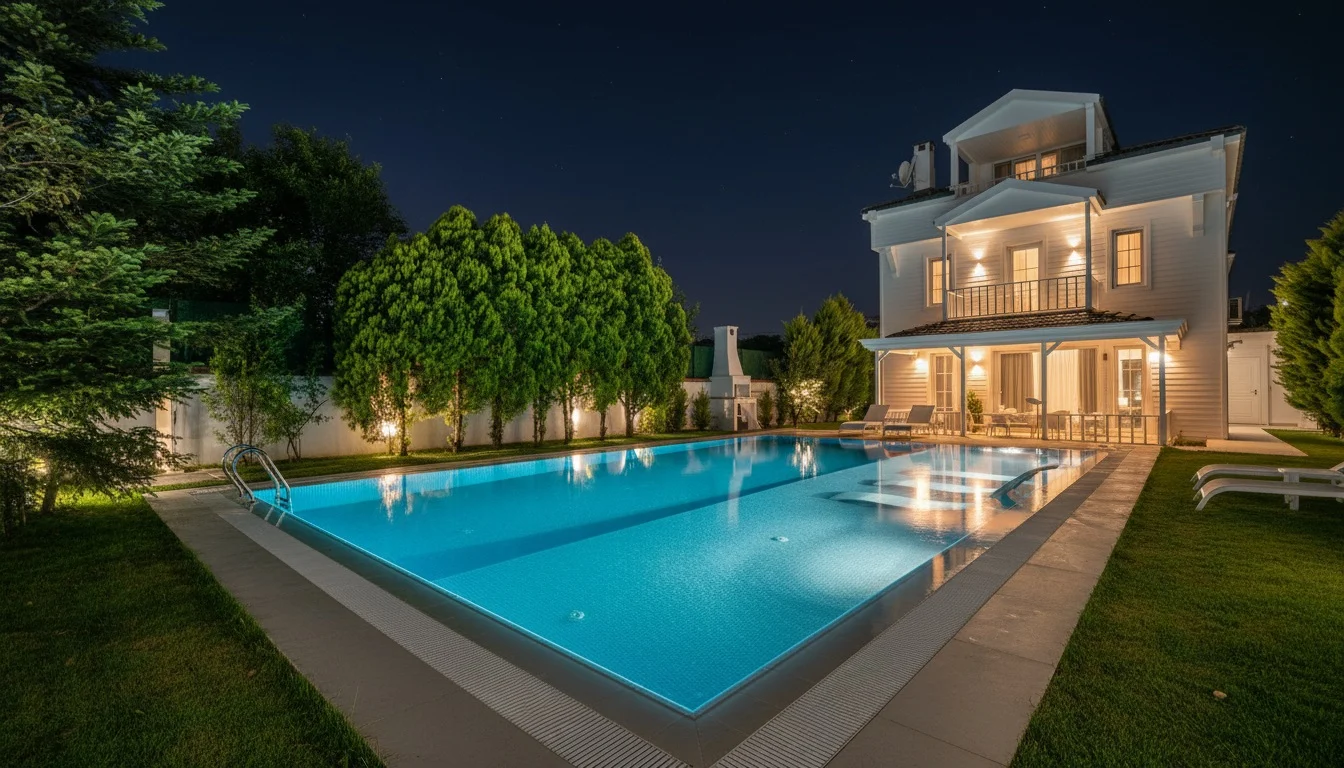 Villa
VillaCihan Kızılkaya · Şile Pool Project
A private villa pool project completed in Şile, Istanbul.
- Location
- Şile / İstanbul
- Completion
- 2024
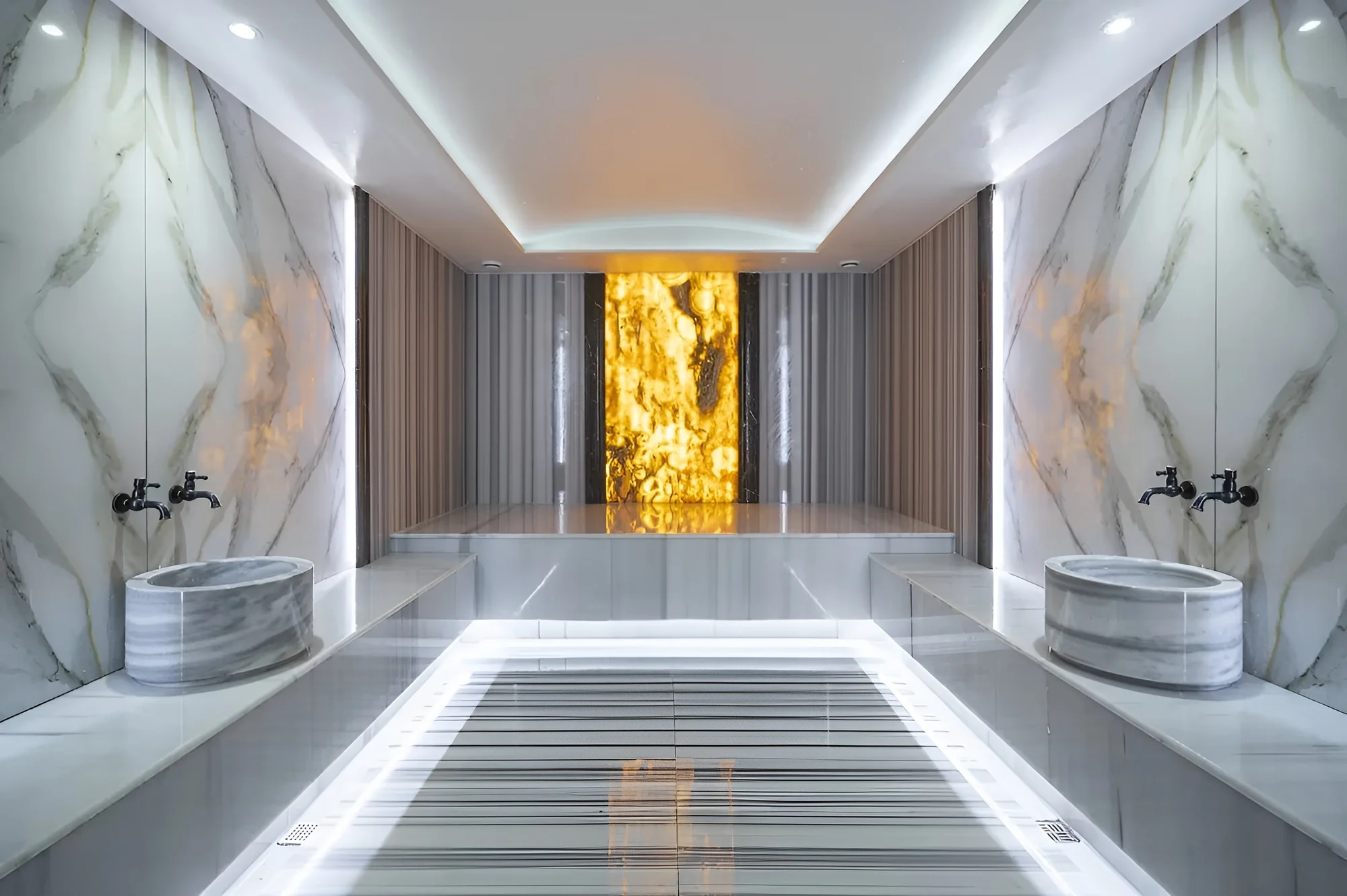 Villa
VillaDilan Polat · Villa Pool
A private villa pool project completed in Istanbul.
- Location
- İstanbul
- Completion
- 2024
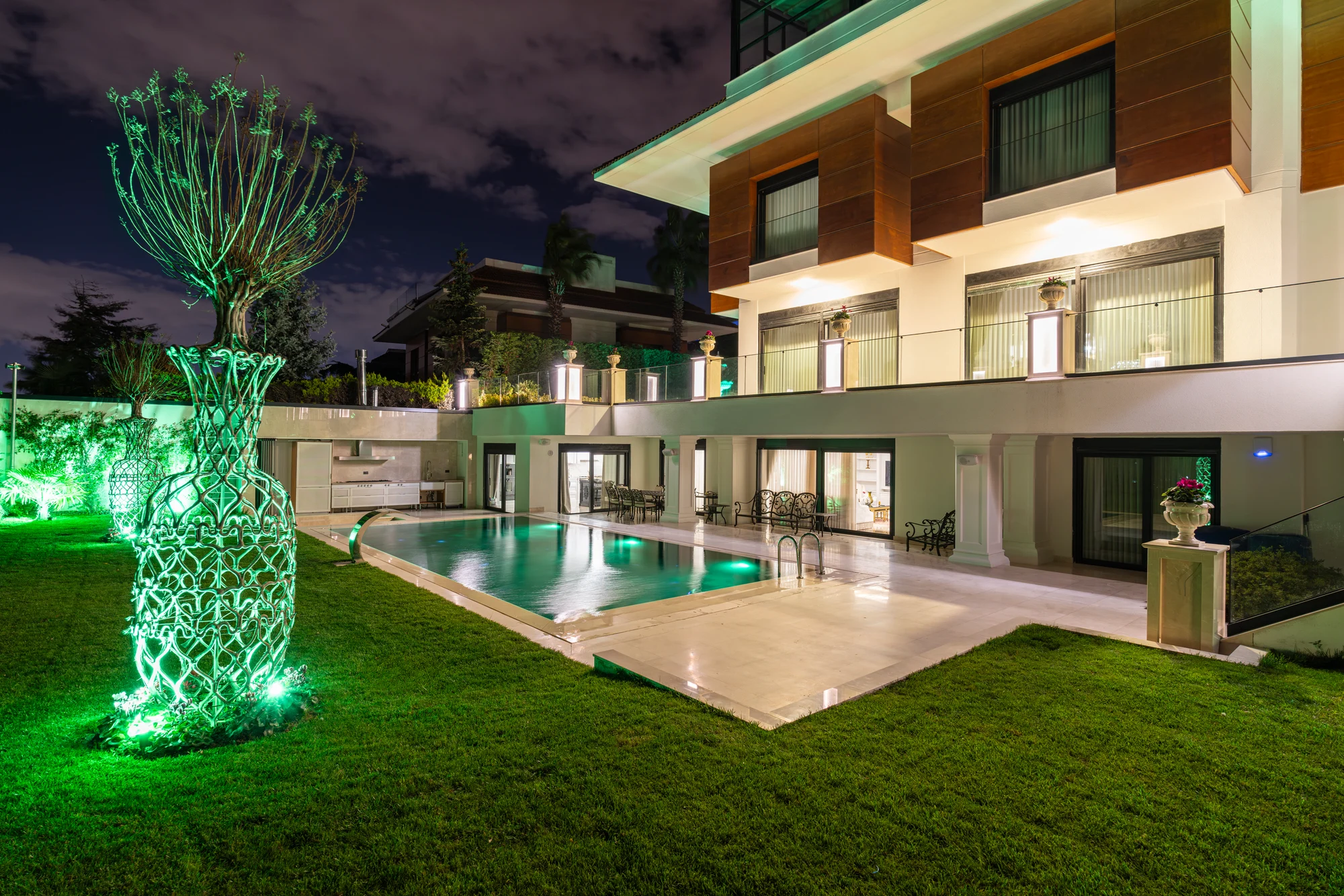 Residence
Efor Holding · Pool Project
A corporate pool project completed for Efor Holding.
- Location
- İstanbul
- Completion
- 2024
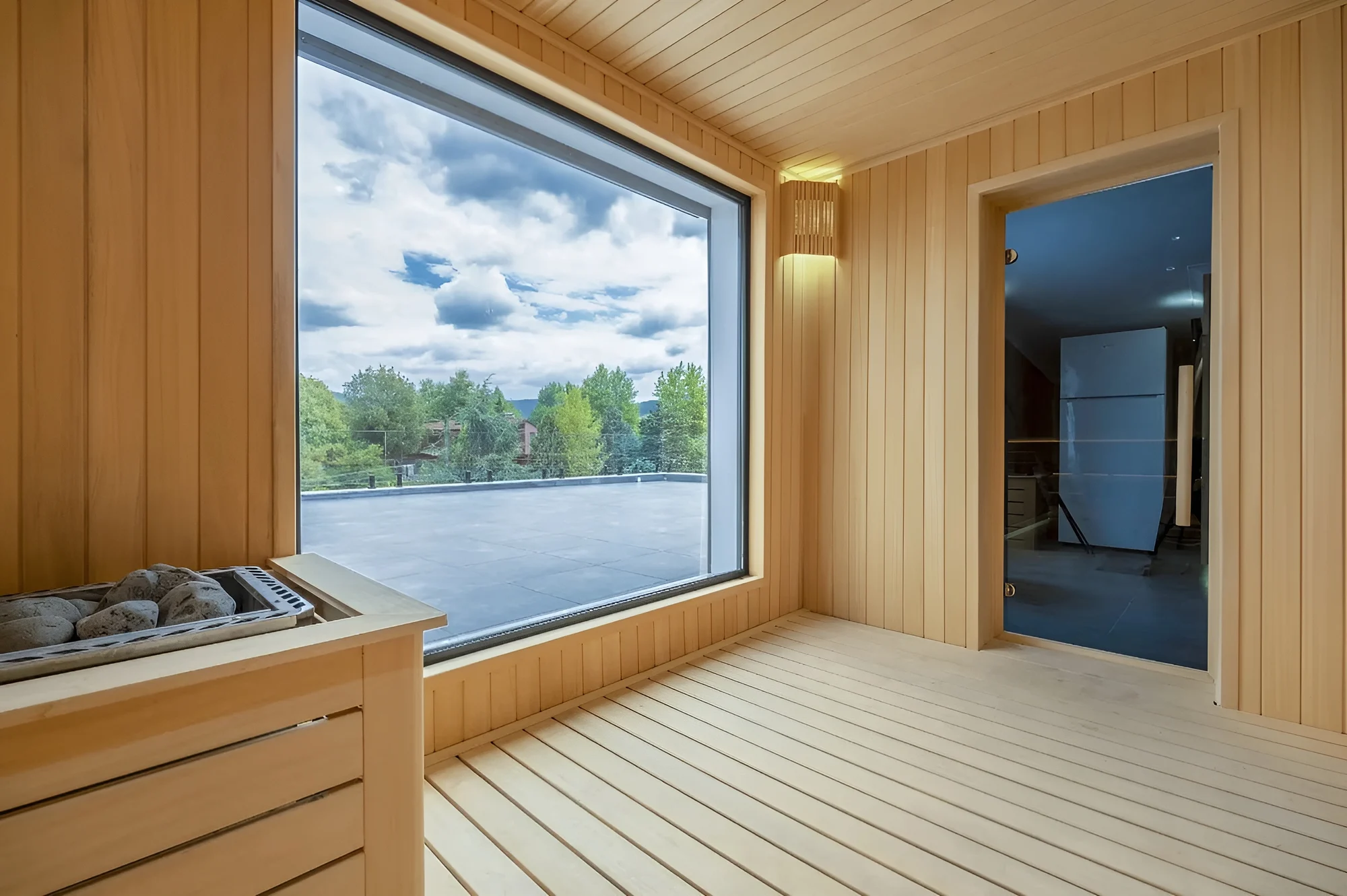 Spa & Wellness
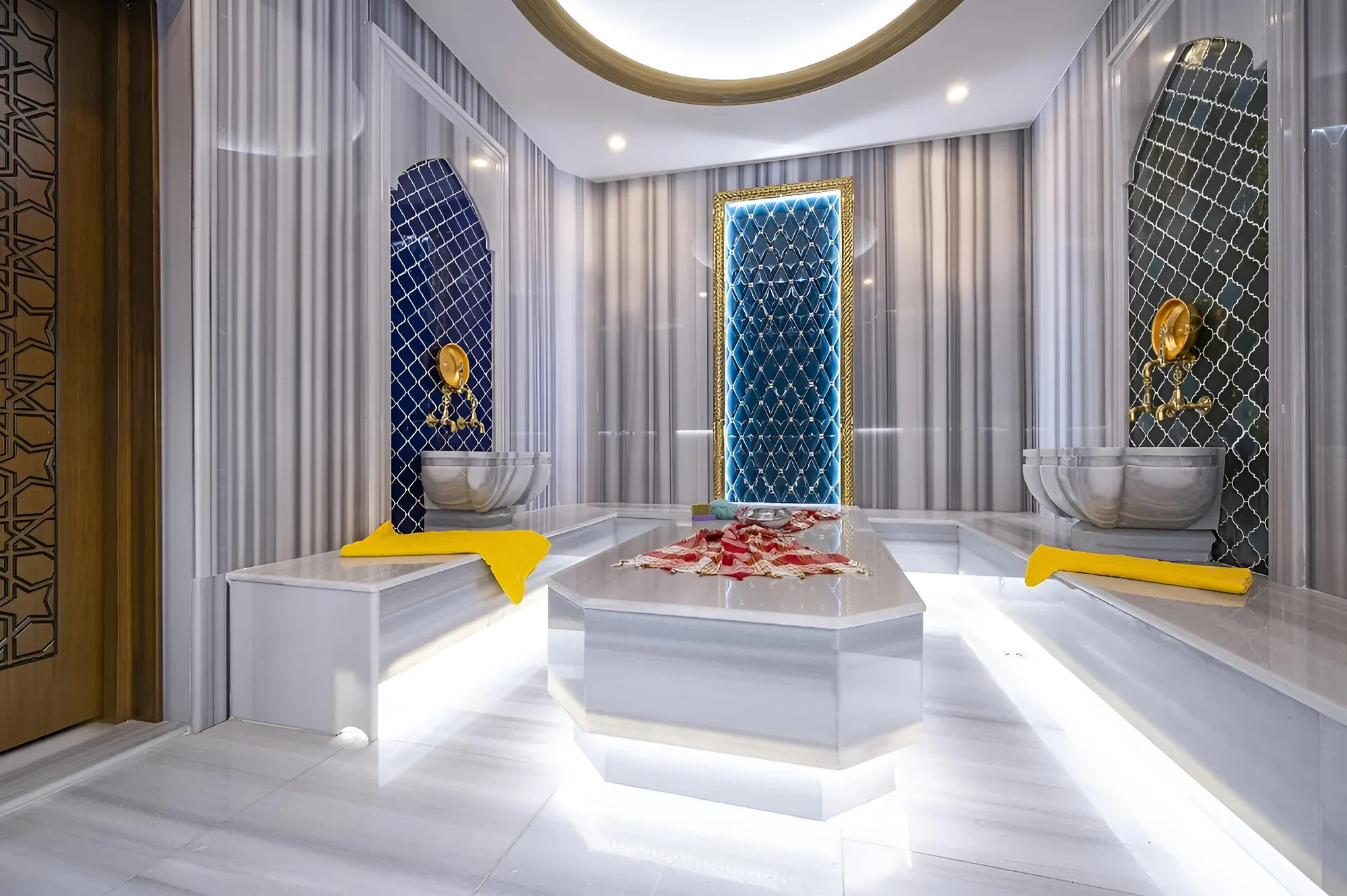
Sinan Türker · Yalova Turkish Hammam & Sauna
A Turkish hammam and sauna wellness project completed in Yalova in 2025.
- Location
- Yalova
- Completion
- 2025
 Spa & Wellness
Kudu İnşaat · Yalova Hammam
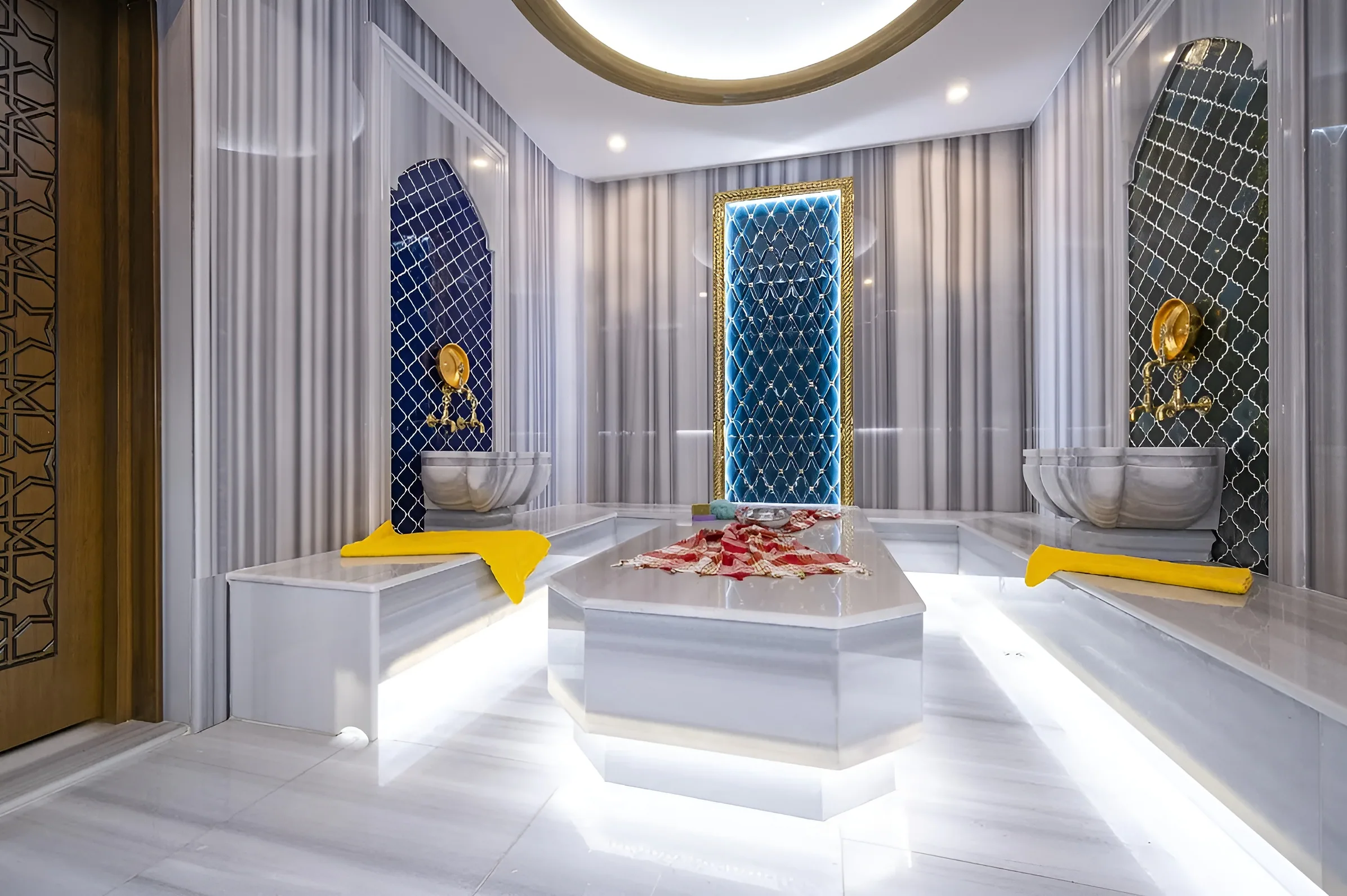
A traditional Turkish hammam completed in Yalova in 2025.
- Location
- Yalova
- Completion
- 2025
 Thermal
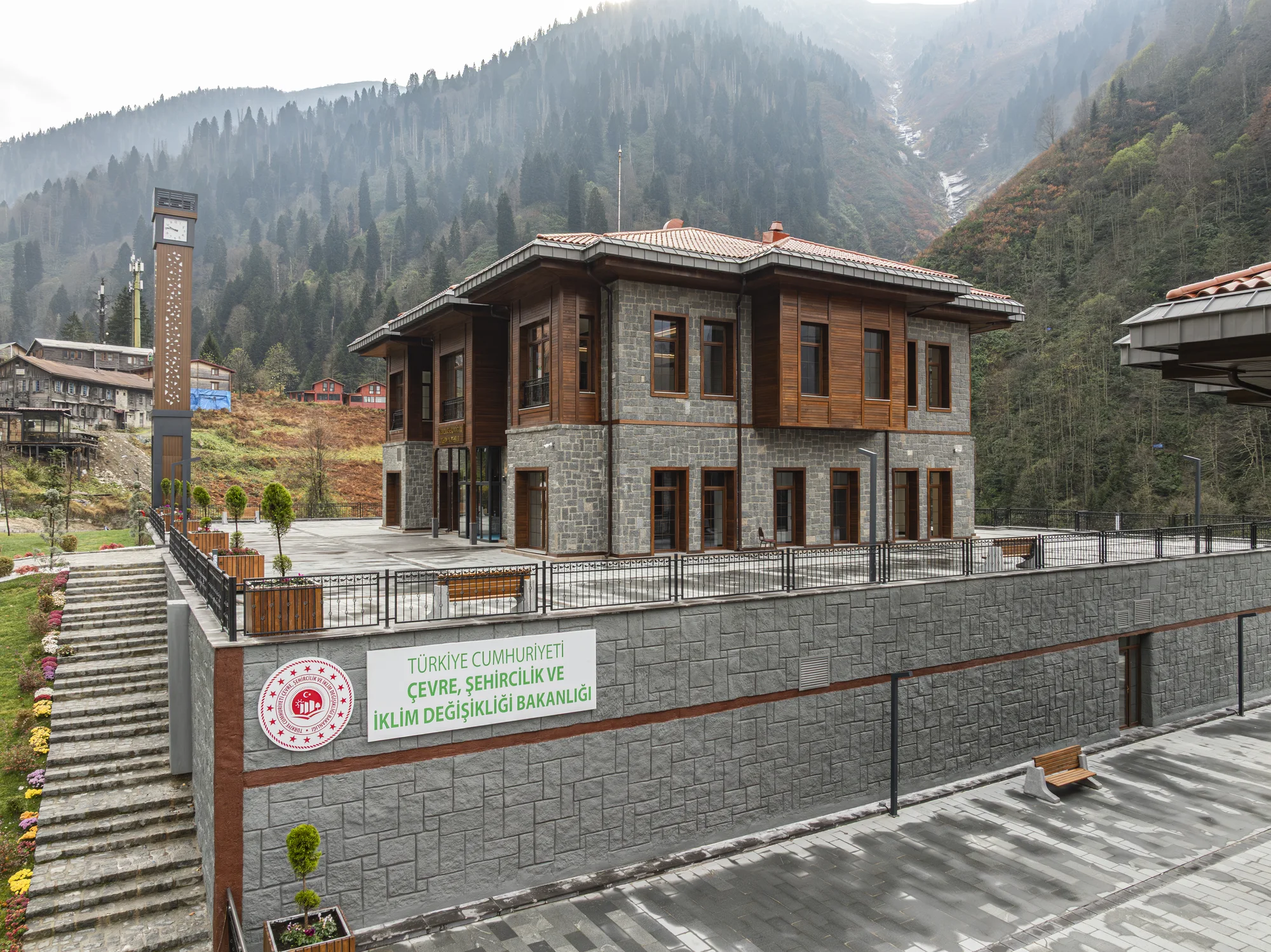
Ayder Tenzile Erdoğan Thermal Hotel
In partnership with TOKİ we delivered 42 wet areas turnkey — a complete spa & wellness composition reaching from pools and thermal pools to sauna, steam room, salt room, jacuzzi and shock shower, and from VIP and suite Turkish hammams to Türkiye's largest göbektaşı hammam.
- Location
- Ayder Plateau / Rize
- Completion
- 2025
 Public Sector
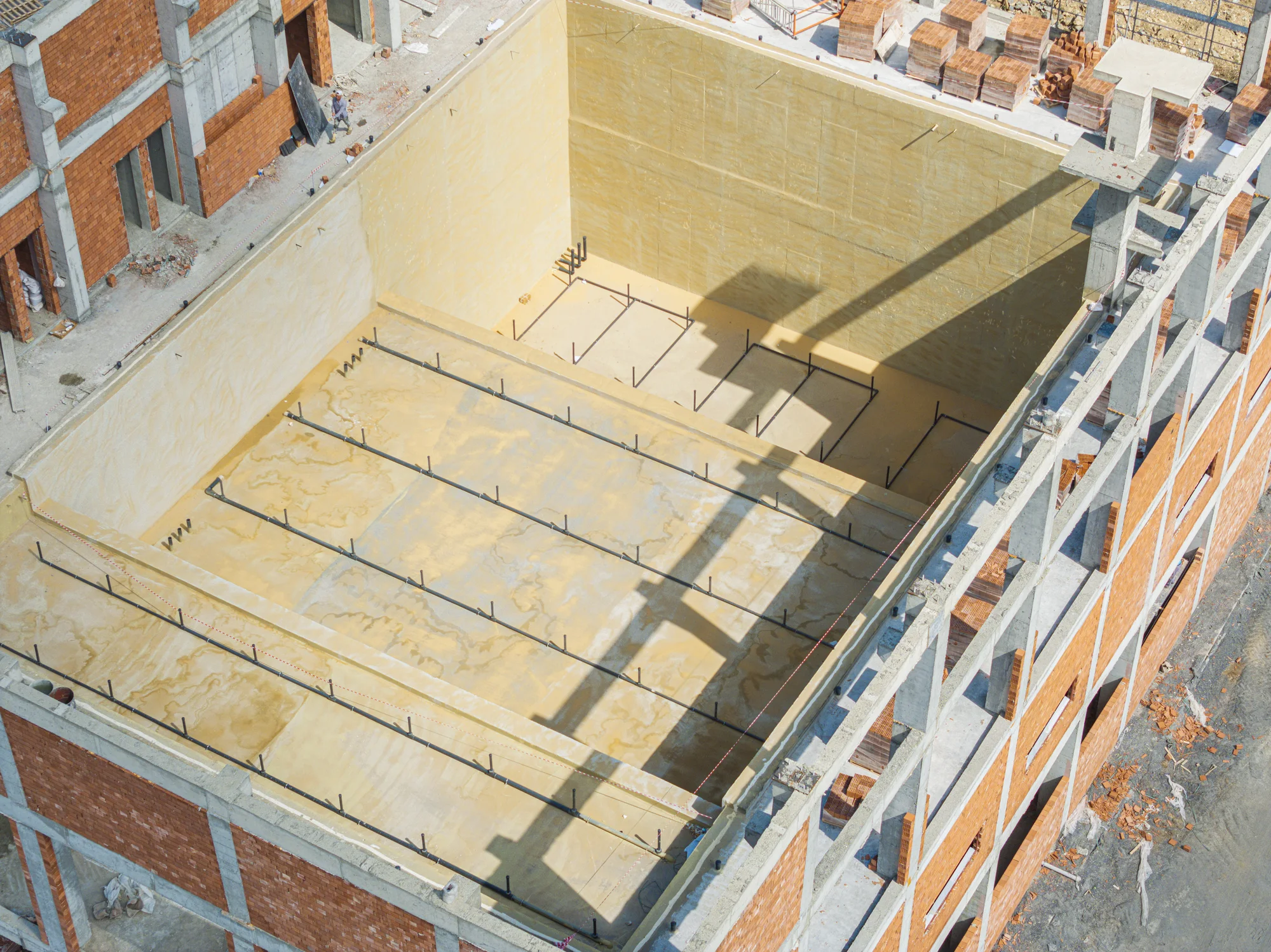
Ministry of National Defence · SAS Training Pool
In Riva we built Türkiye's deepest swimming pool turnkey — 33×22 metres and 10 metres deep. We are proud to have played our part in a facility where our country's heroes will train. The pool's water is disinfected by a 600-gram ozone system — making this Türkiye's largest swimming pool using ozone disinfection.
- Location
- Riva / Istanbul
- Completion
- 2024
 Spa & Wellness
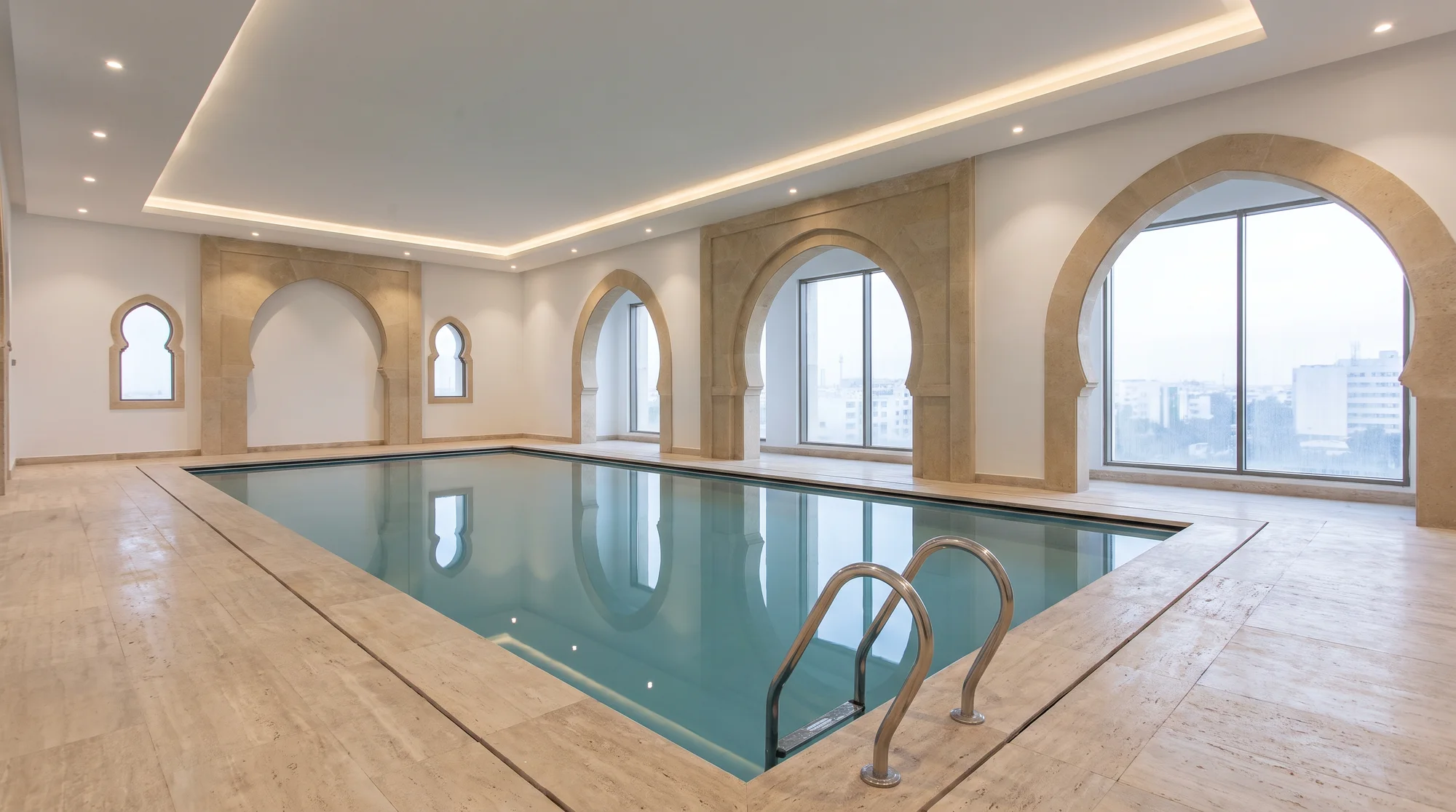
Sofitel Algiers Hamma Garden
For China State Construction Engineering Corporation (CSCEC) we completed the Sofitel hotel's entire spa turnkey — from pools and hydrotherapy pools to jacuzzi, Vichy shower, Turkish hammam, sauna and massage systems.
- Location
- Algeria
- Completion
- 2020
Frequently Asked Questions
Every question on your mind; answered clearly.
Çilek Havuz Technical Team
Pool & Wellness Engineering
- Response Time
- Same day
- Channels
- Phone · E-mail · WhatsApp
If the answer you are looking for is not here, send your question directly to us and our team will reply as soon as possible.
Book a free site surveyBy its very nature a turnkey hammam project runs from waterproofing and infrastructure through to marble craftsmanship, and is generally completed on a schedule stretching from a few weeks to a few months, depending on the size and the marble detail. The main factor setting the timeline is the marble work, which calls for vein matching and patterned craftsmanship. The Çilek Havuz technical team sets out a clear schedule at the survey and keeps to the date promised.
Çilek Havuz Technical Team
Yes. Basements, spaces adjoining a bathroom and spa floors are the most suitable areas for a hammam. There are three critical conditions: the floor has to carry the load of the marble and the navel stone, the water and drainage infrastructure has to be installable, and the waterproofing has to be right. At the survey your space is assessed against these three points and the most efficient layout is designed.
Çilek Havuz Technical Team
Heating circuits — the modern equivalent of the traditional külhan furnace — are laid within the body of the navel stone; the marble surface is held in the 40-45°C band, a balance that is hot but does not burn when you lie on it. A combi boiler, a central system or a heat pump can serve as the heat source, and the navel stone, the seating ledges and the floor are managed zone by zone on separate circuits.
Çilek Havuz Technical Team
Marble for a hammam is chosen as much for its pore structure, heat retention and slip resistance as for its veining and colour. Marmara white, travertine and striped patterns are the most frequently preferred textures. Wet floors take a honed (matt) non-slip surface, while seating surfaces take a polished texture that is kind to the skin; the selection is made together from quarry samples.
Çilek Havuz Technical Team
A sauna works on dry heat at 80-100°C and a steam room on dense steam at 40-50°C. A Turkish bath, by contrast, offers a soft humidity in the 60-80% band, sustained by the heated marble; the navel stone, the kurna basins and the kese scrub ritual set it apart from the other two. In spa projects the three can be composed side by side to form a complete wellness sequence.
Çilek Havuz Technical Team
The main items are the grade and area of the marble, the size of the navel stone, the heating system, the number of kurna basins and the intensity of the craftsmanship. Patterned marble work such as chevron, and details such as a star-patterned ceiling, are reflected in the budget as labour. After the free site survey every item — from the marble sample to the taps — is presented in writing, with the reasoning behind it.
Çilek Havuz Technical Team
It is not compulsory: a traditional hammam works on the natural humidity created by the heated marble surfaces and the hot water in the kurna basins. If a denser steam atmosphere is wanted, a generator is added and the humidity is managed comfortably in the 60-80% band. The decision is made together at the survey, according to how you intend to use it.
Çilek Havuz Technical Team
Marble will not tolerate acidic cleaners — that is the golden rule of maintenance. Rinsing the surfaces in daily use, a weekly neutral (acid-free) clean and a seasonal check of the grout are enough. Marble that is cared for properly does not age; over the years it takes on a patina and grows more beautiful.
Çilek Havuz Technical Team
Since 1993, Çilek Havuz has been building turnkey Turkish baths for villa, hotel and spa projects all across Türkiye, and brings with it exports to 14 countries and international project experience. A free site survey can be arranged for your province.
Çilek Havuz Technical Team