

Landscape Architecture
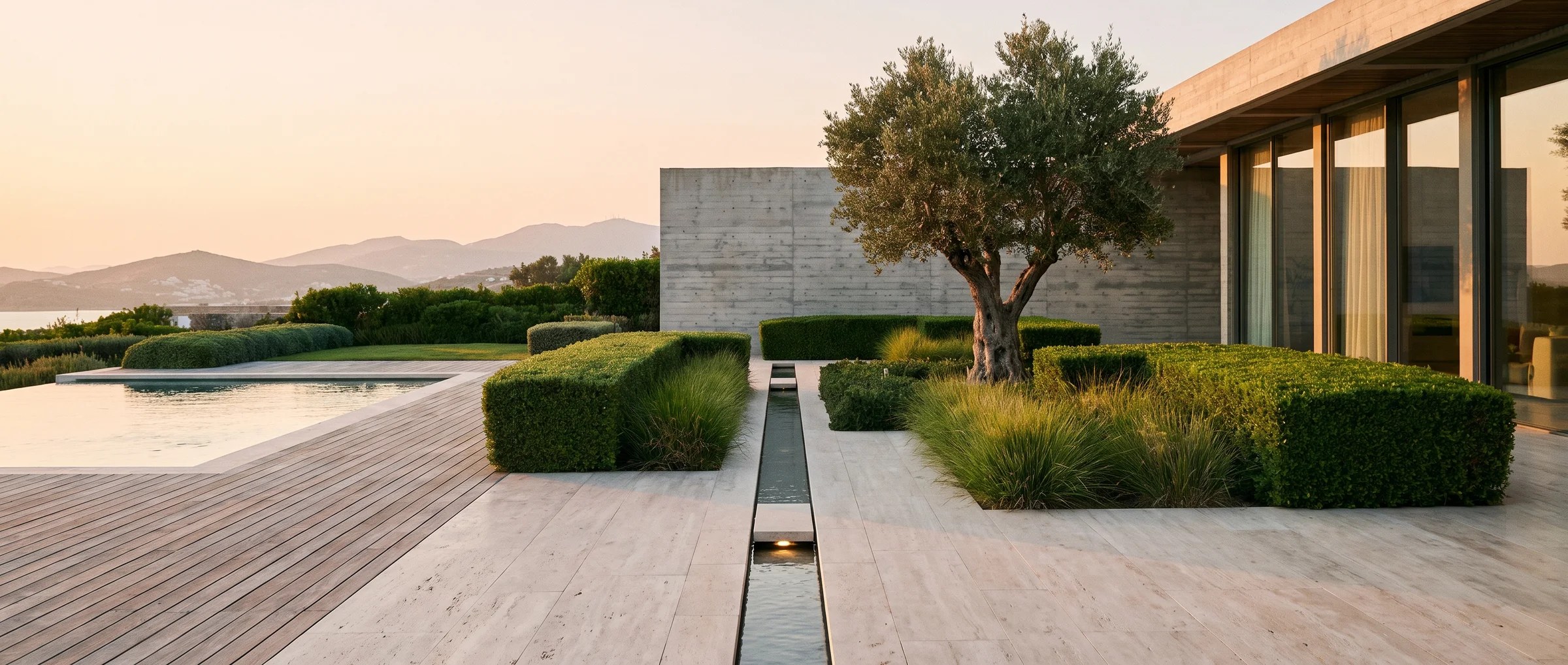
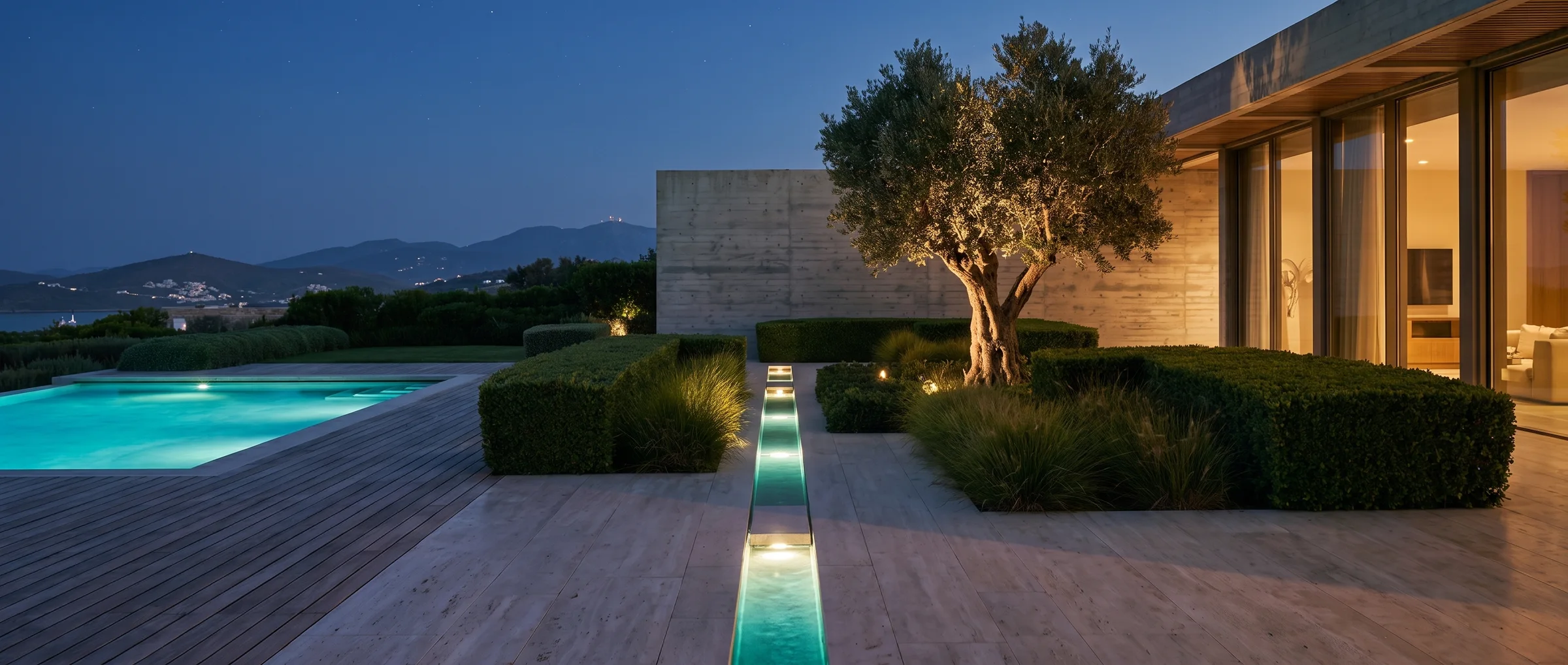
Landscape design that unites the pool with its garden and surroundings.
Çilek Havuz in Numbers
We do not stop where the pool ends; we design the ground, the greenery and the light from the same hand.
- 33+
- Years
- 14
- Export
- 500+
- Projects
Landscape Architecture — Frames from Our Projects
Frames from Our Projects
06 media
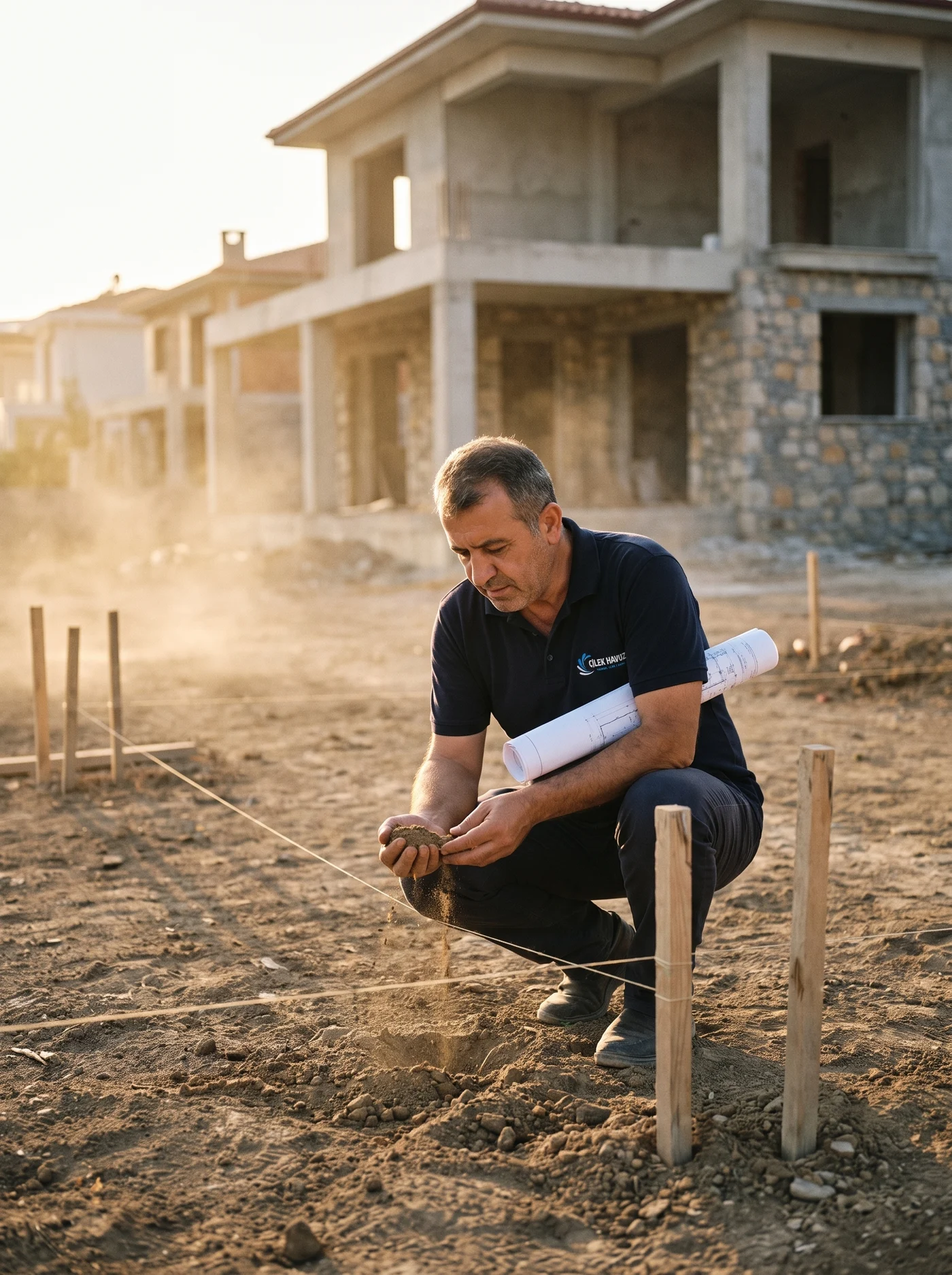
A good garden begins with knowing the soil: at the survey, the structure of the soil and how it drains, the falls and levels, the directions of sun and wind and the existing tree cover worth preserving are examined on site. The level relationship with the pool and the building is read at this stage.
On the same visit we listen to how you intend to use the space: where will you sit, where will you sunbathe, where will the children's and service areas go? The preliminary budget frame is settled in this conversation too, alongside the water source and the irrigation infrastructure.
- Soil structure and drainage observation
- Falls, levels and retaining requirements
- Sun and wind directions
- Existing tree and plant cover
- Level relationship with the pool and the building
- Water source and irrigation infrastructure
- Intended use (seating, play, shade)
- Preliminary budget frame
Why it matters
In landscaping the most expensive mistakes begin below ground: unresolved drainage and wrong levels turn even the finest garden into standing water and settled ground. Every problem resolved at the survey is the cheapest insurance the works can have.
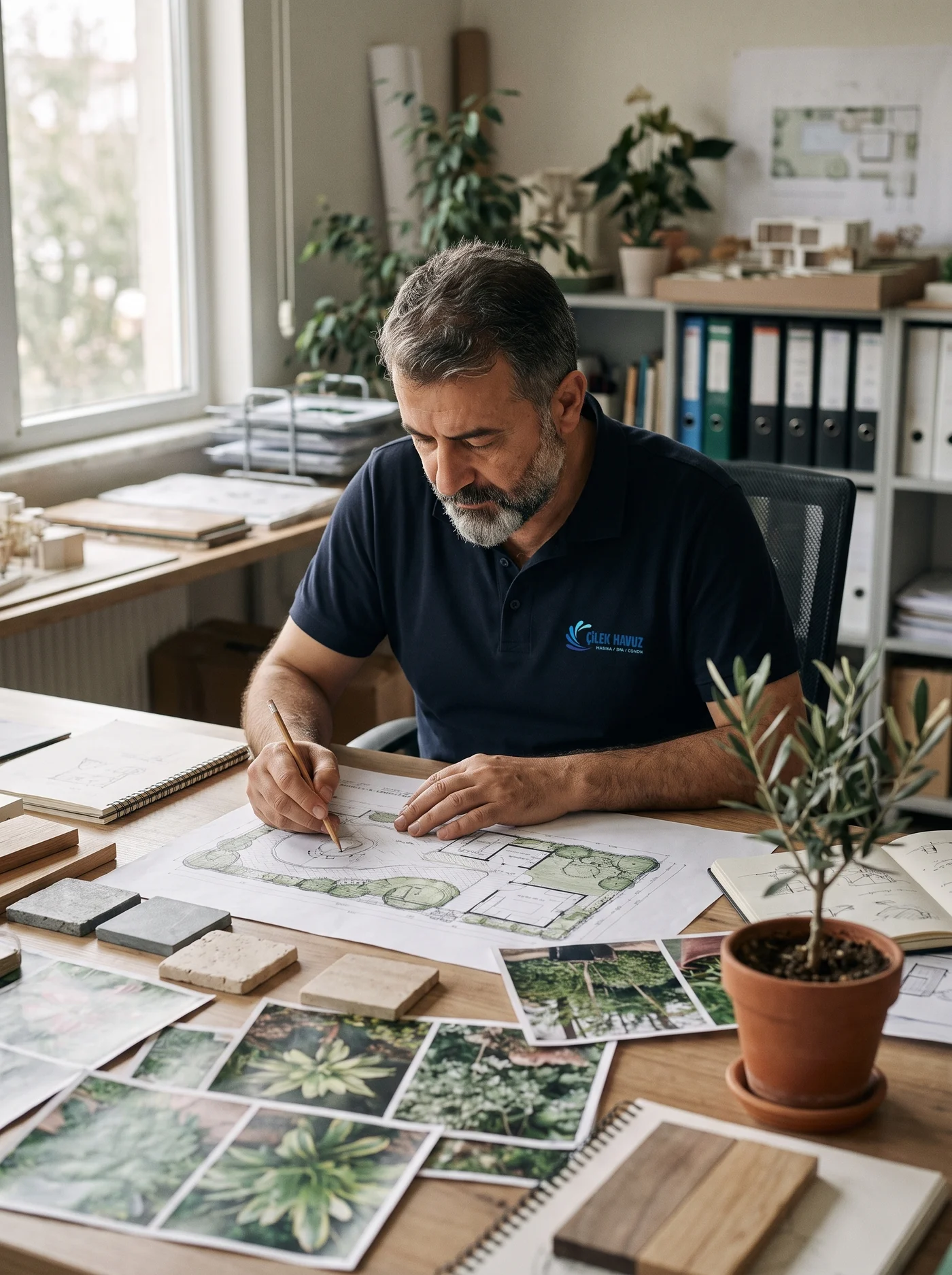
The garden is zoned by function: seating, sunbathing, walking and service areas are linked to one another by circulation axes, and the ratio of hard to soft landscaping is set according to the character of the site. Where there is a pool, deck edges and terrace levels are drawn at the same table as the pool.
The material palette is chosen to sit well with the pool finish and the architecture of the building; the preliminary plant palette and the outline scheme for lighting and irrigation are worked into the design. The design is presented as a 3D visual and the decisions are settled together.
- Functional zones (seating, sunbathing, service)
- Balance of hard and soft landscaping
- Circulation and walking axes
- Level and retaining solutions
- Material palette (stone, timber, composite)
- Preliminary selection of the plant palette
- Outline lighting and irrigation scheme
- 3D visual presentation and design approval
Coherence cannot be added afterwards
If the pool and the garden are drawn at separate tables, two separate projects emerge: differences in level, disconnected materials and transitions that can no longer be closed. Reading a space as a single piece is only possible when it is designed as one.
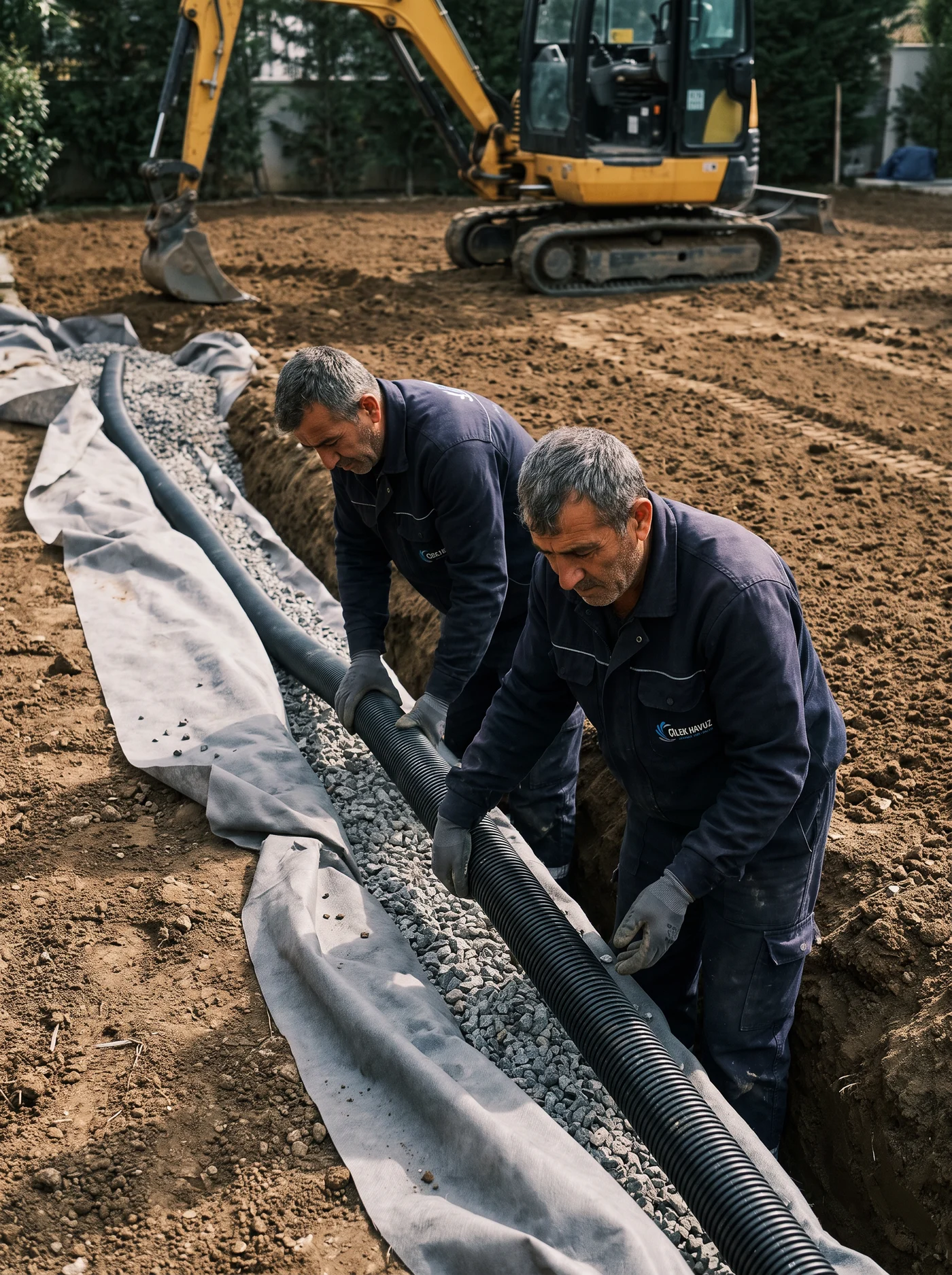
The lifespan of a garden is decided below ground: surface falls direct water away from the pool and the building, while drainage channels and permeable layers carry away the water that collects. These invisible layers beneath the deck and the natural stone prevent settlement, frost damage and damp.
The irrigation mains, the valve boxes and the lighting cable routes are laid in the same excavation. Electrical runs are planned with protection suited to moisture and with residual-current protection; no surface is closed up before the infrastructure has been tested.
- Setting the ground falls
- Surface drainage channels
- Permeable layers beneath deck and stone
- Rainwater collection and discharge
- Irrigation mains and valve boxes
- Lighting cable routes
- Circuit plan with residual-current protection
- Infrastructure testing and closing up
Even the most expensive stone does not forgive water
The finest stone laid on ground whose drainage has not been resolved settles in time, loses level and starts to hold water. The invisible water paths are resolved with as much care as the visible surfaces.
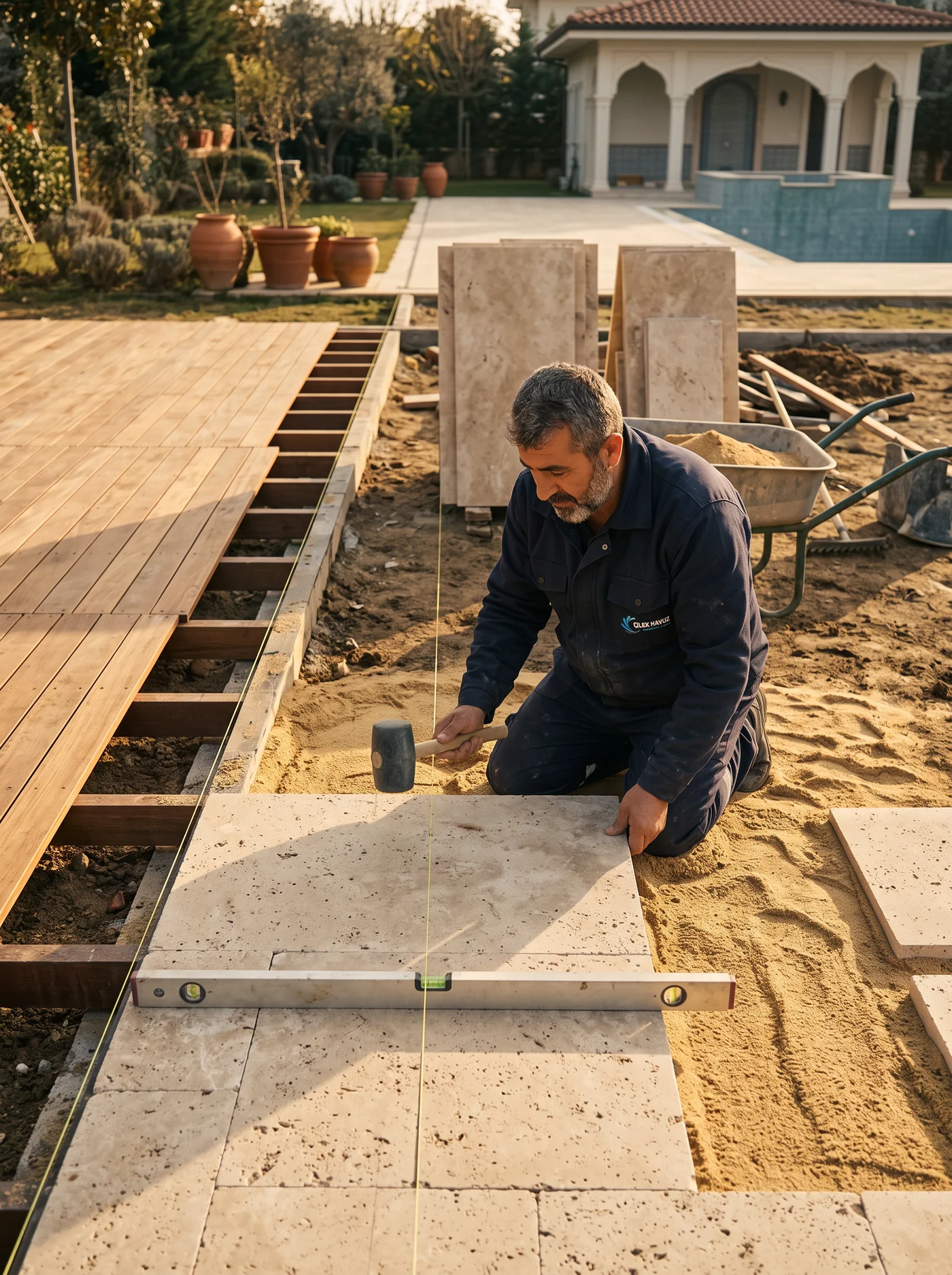
Around a pool, materials are chosen first for their slip resistance and only then for their appearance: natural stones such as travertine and andesite, given the right surface treatment, stay safe when wet and cool underfoot. Kerbs and edge profiles direct water into the drainage rather than into the pool.
On the deck side there are two routes: natural timber offers grain and coolness but calls for periodic maintenance; composite is low-maintenance but can get hotter in the sun. Whichever is chosen, ventilation beneath the boards, correct drainage and expansion joints are the details of the installation that are not open to negotiation.
- Natural stone selection and surface treatment
- Slip resistance and barefoot comfort
- Timber / composite deck decision
- Ventilation and drainage beneath the deck
- Joint and expansion details
- Kerbs and pool edge profiles
- Structures such as pergolas and seating walls
- Level-controlled paving and final check
No surface stays elegant once it is wet
However impressive a glossy, smooth surface looks on dry ground, it is dangerous when wet. The area around a pool is a field of safety engineering before it is an aesthetic preference.
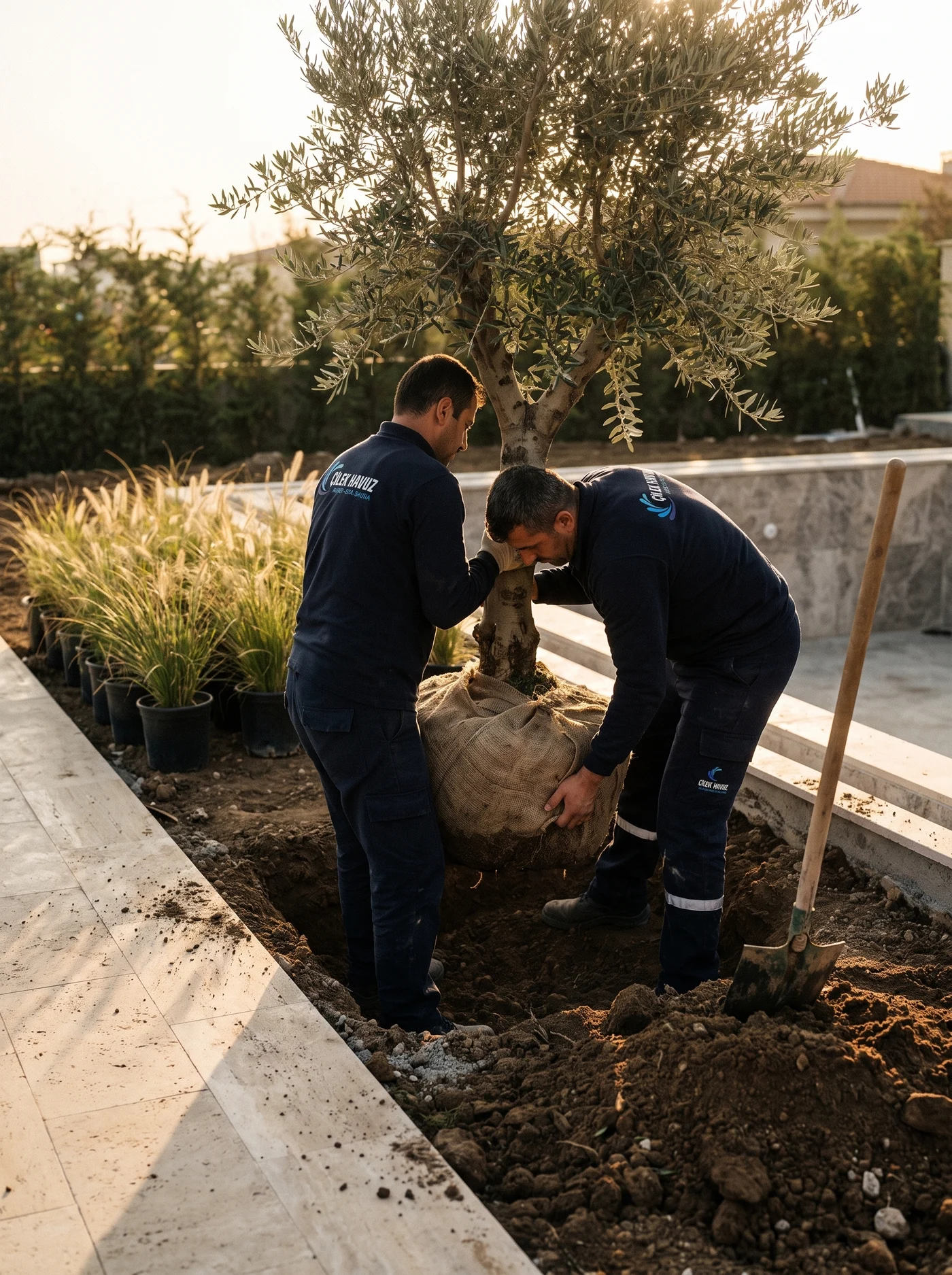
The plant palette is built around the climate, the soil and ease of maintenance rather than a catalogue. At the pool's edge, species that shed little, have controlled roots and tolerate chlorine splash are preferred; needs such as shade, privacy and wind screening are resolved through the planting.
The composition is spread across all four seasons: deciduous and evergreen species, flowering periods and textures are arranged to complement one another. Planting is scheduled around each species' seasonal window and completed with soil improvement and monitoring of the first watering.
- Plant palette suited to the climate and soil
- Low-litter species at the pool's edge
- Avoiding species with aggressive roots
- Planting for shade and privacy
- Green windbreak bands
- Four-season balance in the composition
- Soil improvement and planting
- First watering and establishment monitoring
The wrong tree is a subscription to the skimmer basket
Planting a species that sheds heavily or has aggressive roots at the pool's edge means carrying the maintenance load and the risk to the infrastructure for years. The choice of species writes the garden's maintenance bill from the outset.
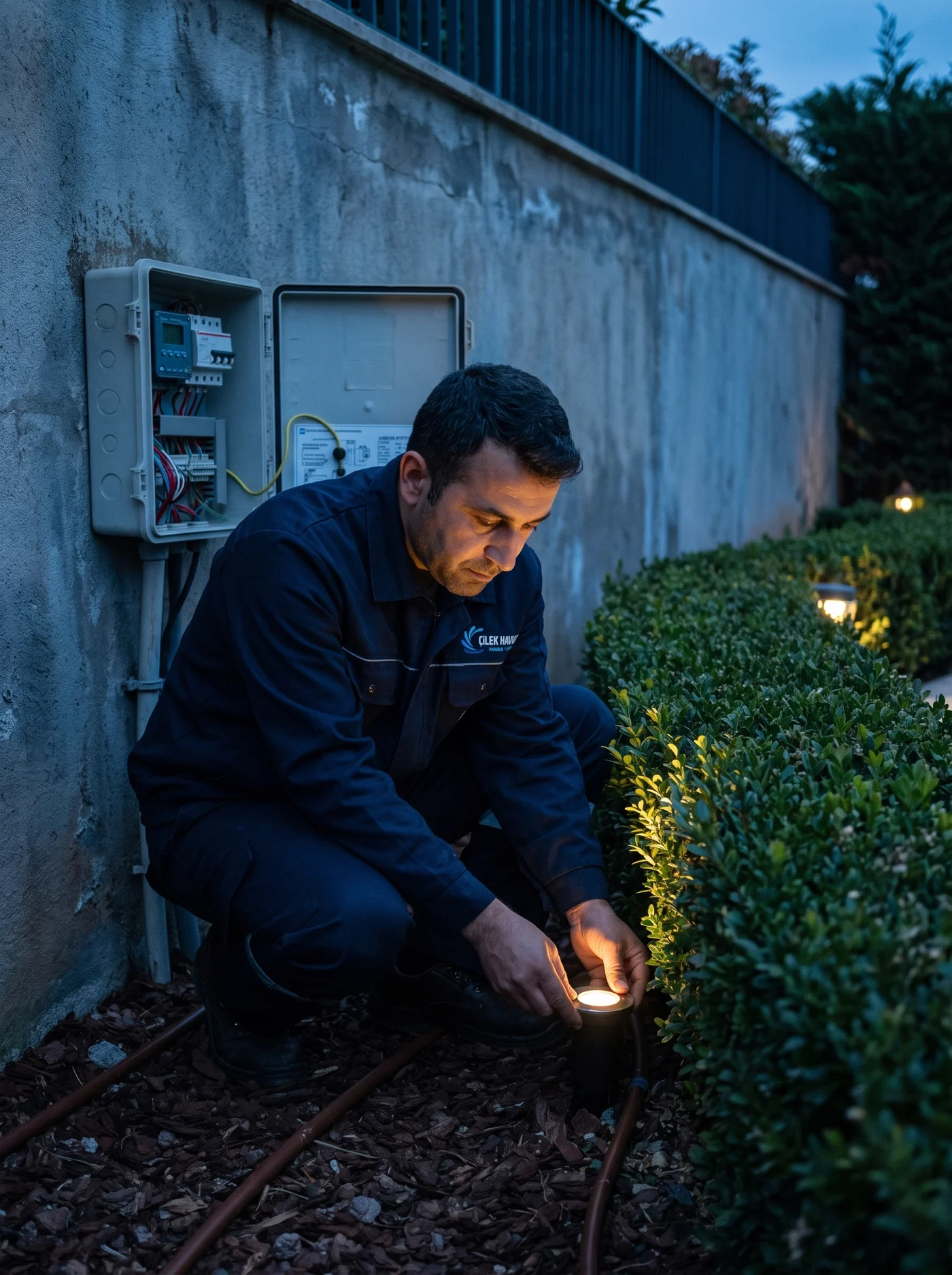
Irrigation is separated by plant type: drip lines carry water straight to the root, while sprinkler zones are given over to lawn areas. Automation supported by timers and sensors delivers water in the amount required and at the hour required — a single head directed onto hard surfaces or into the pool means waste and a chemical load alike.
Lighting is built with low, glare-free fittings in a protection class suited to moisture: walkways and changes of level are lit for safety, trees and textures for atmosphere. The garden lighting and the pool lighting meet in a single night-time scenario.
- Drip irrigation lines (plant roots)
- Sprinkler zones (lawn areas)
- Irrigation automation and scheduling
- Rain sensor and seasonal adjustment
- Irrigation laid out clear of the pool
- Fittings protected against moisture
- Walkway and level-change lighting
- A shared night scenario with the pool lighting
Wrong irrigation tires the pool too
Every sprinkler head striking a hard surface wastes water, leaves limescale marks on the surface and upsets the water balance with the load it carries into the pool. Irrigation is laid out so that it flows away from the pool.
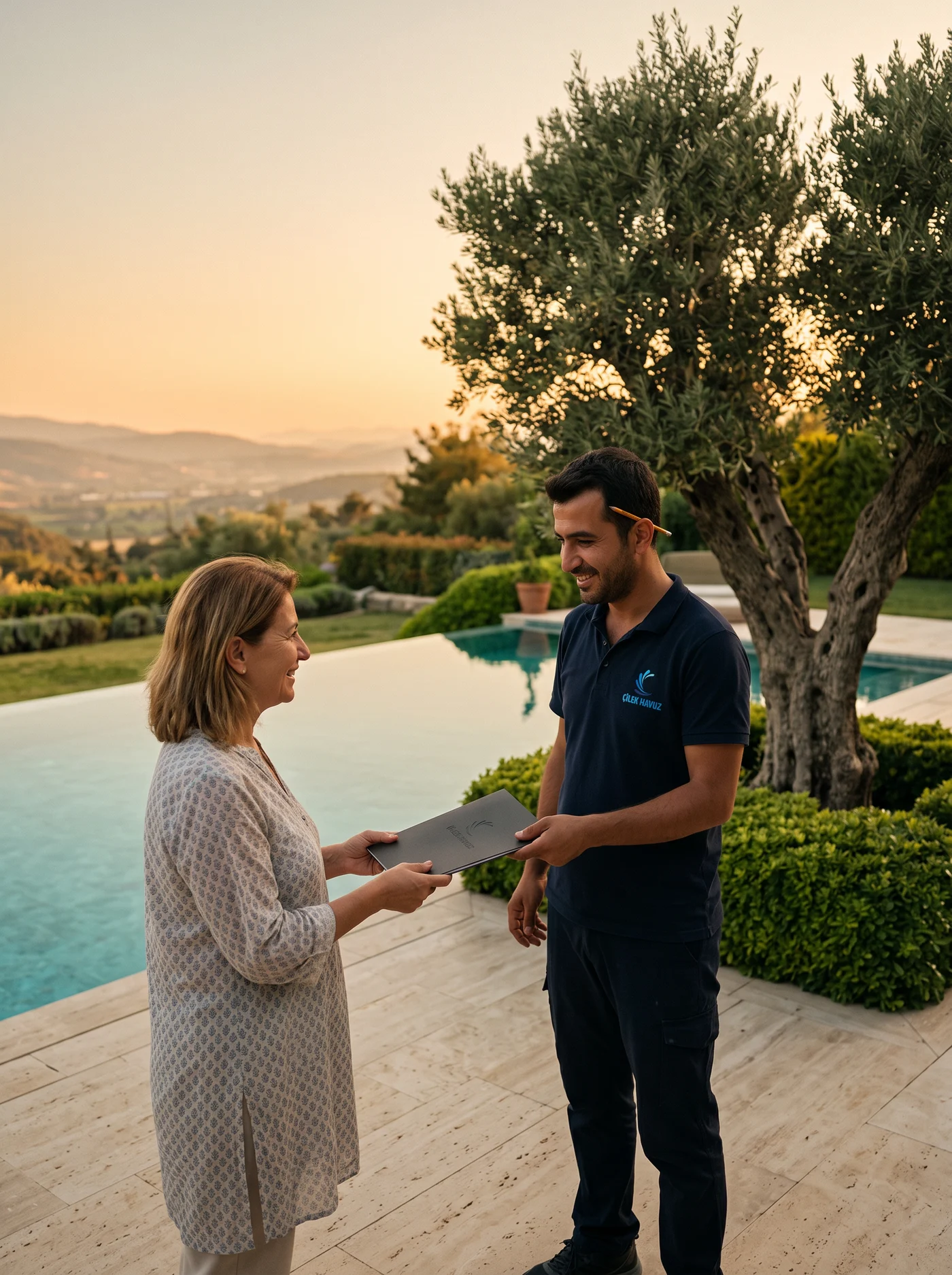
At handover we set up the garden's user guide together: adjusting the irrigation programme for the season, the pruning and feeding calendar, the oiling routine for a timber deck and cleaning recommendations for stone surfaces are all passed on in writing.
Through the first season we follow the establishment of the plants and the bedding-in of the systems with inspection visits. A landscape grows more beautiful not on the day it is handed over but as it matures over the years; the right maintenance plan is the guarantee of that maturing.
- Handover of and training on the irrigation programme
- Pruning and feeding calendar
- Timber deck oiling routine
- Stone surface cleaning recommendations
- Training on the lighting scenarios
- Notes on preparing for winter
- First-season inspection visit plan
- Warranty and maintenance file
A garden is a living structure
Correctly installed irrigation and a simple maintenance calendar make a garden look better every year than it did the year before. The bill for neglect is plant loss and replanting — maintenance is always the cheaper option.
In their own words,their own stories
From corporate facilities to villa projects — short story videos from the names who trusted us.
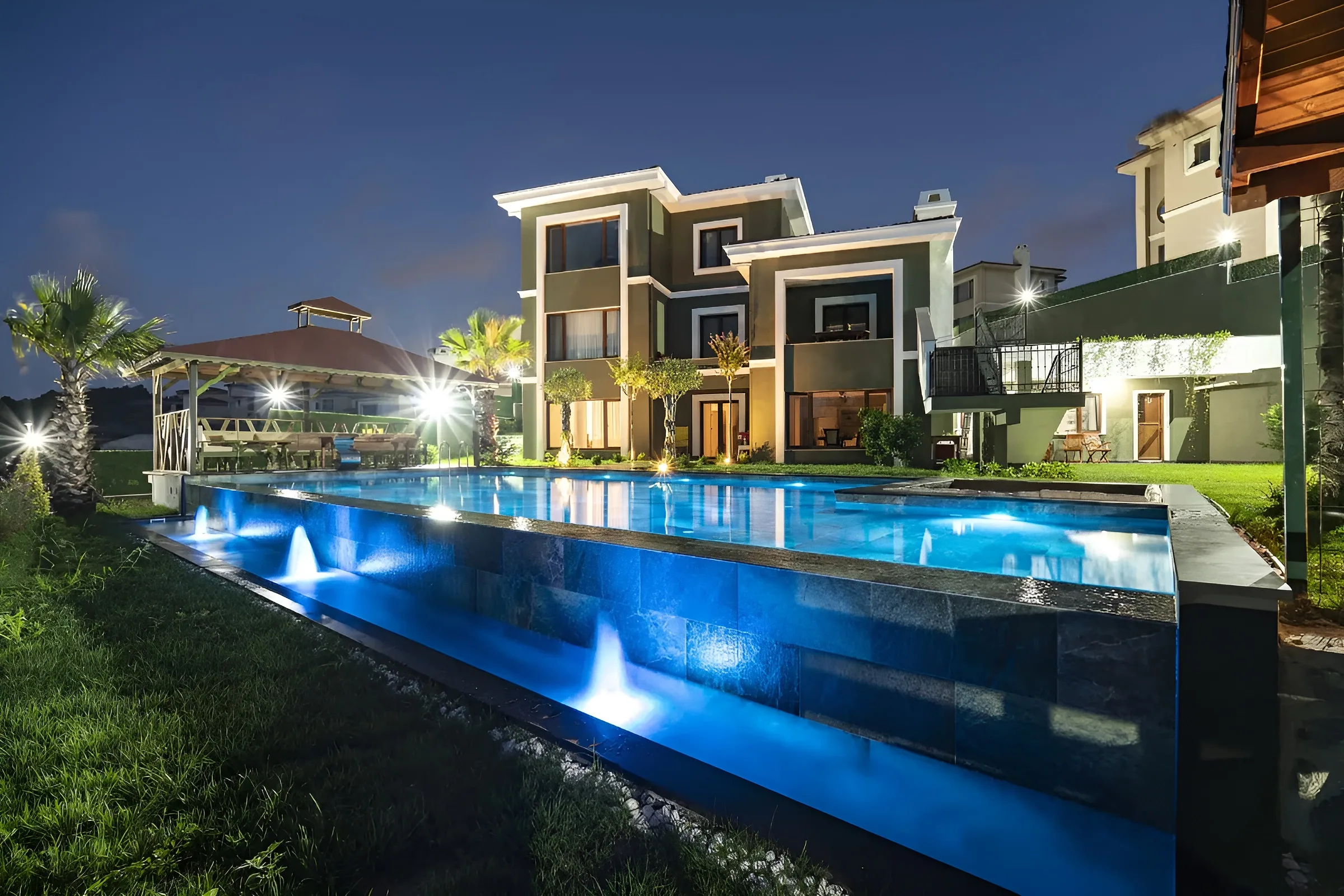 Delivered with confidenceMinistry of National Defence
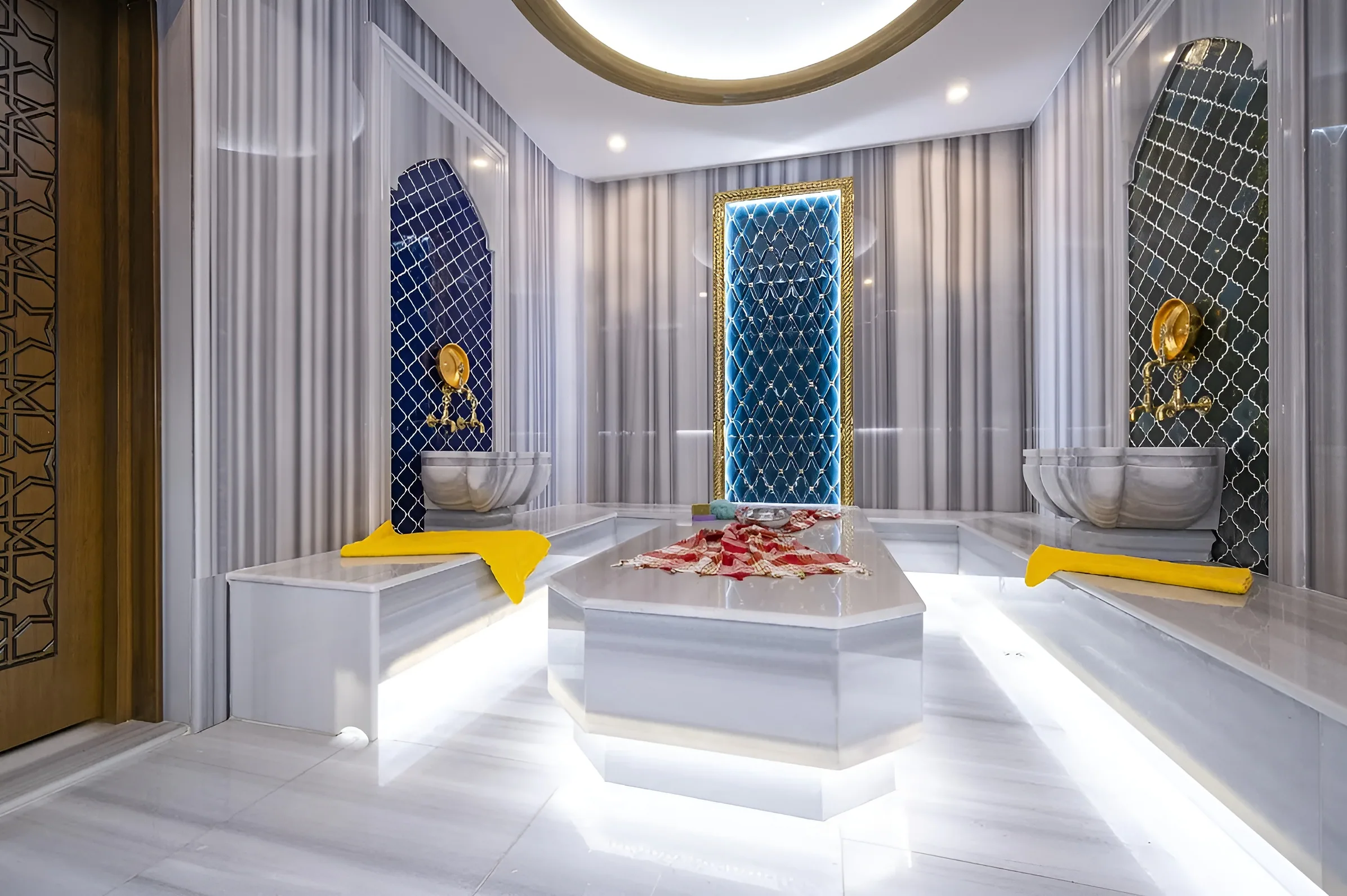 Thermal comfortTenzile Erdoğan Thermal Hotel
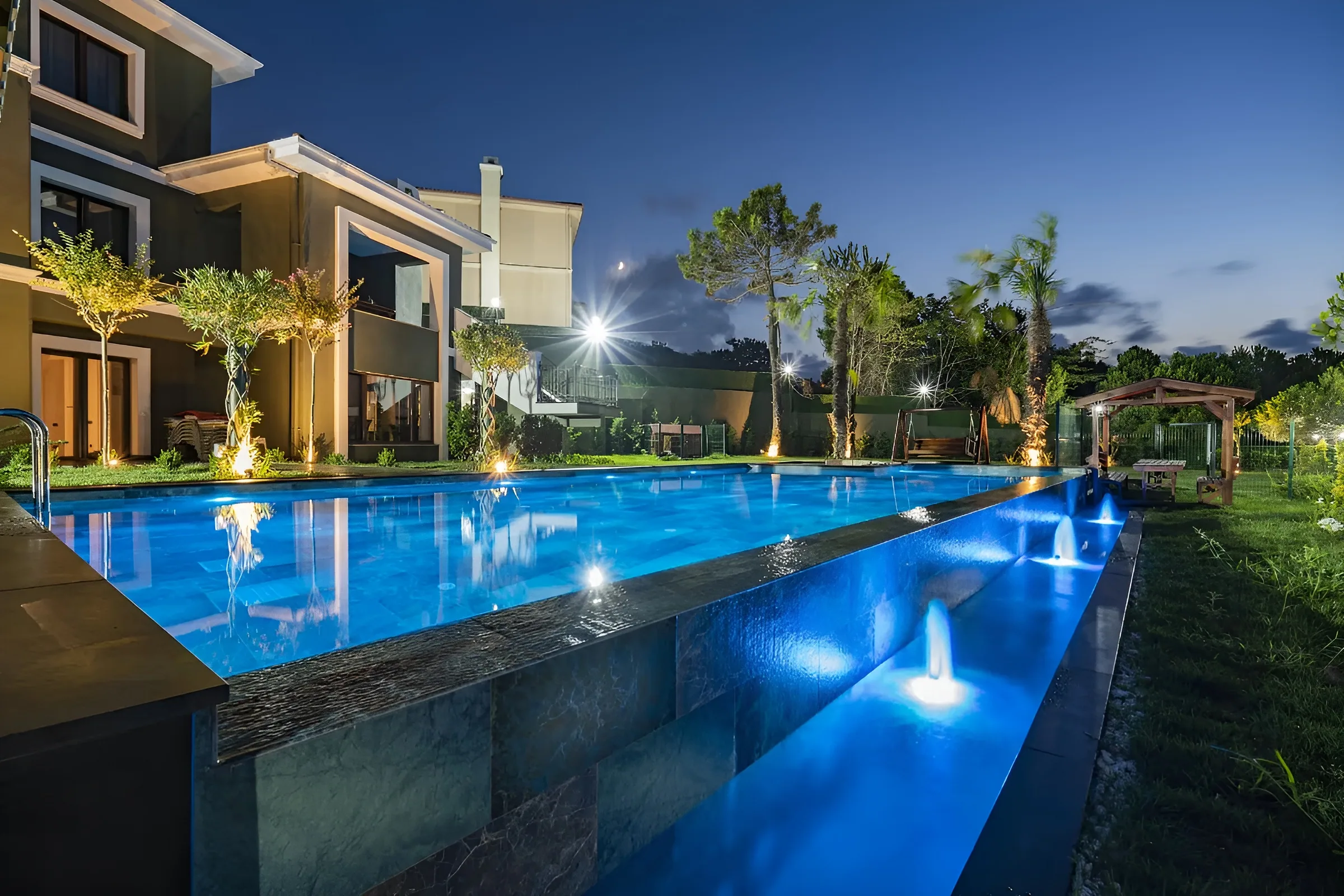 Dreams came trueMehmet Sevigen
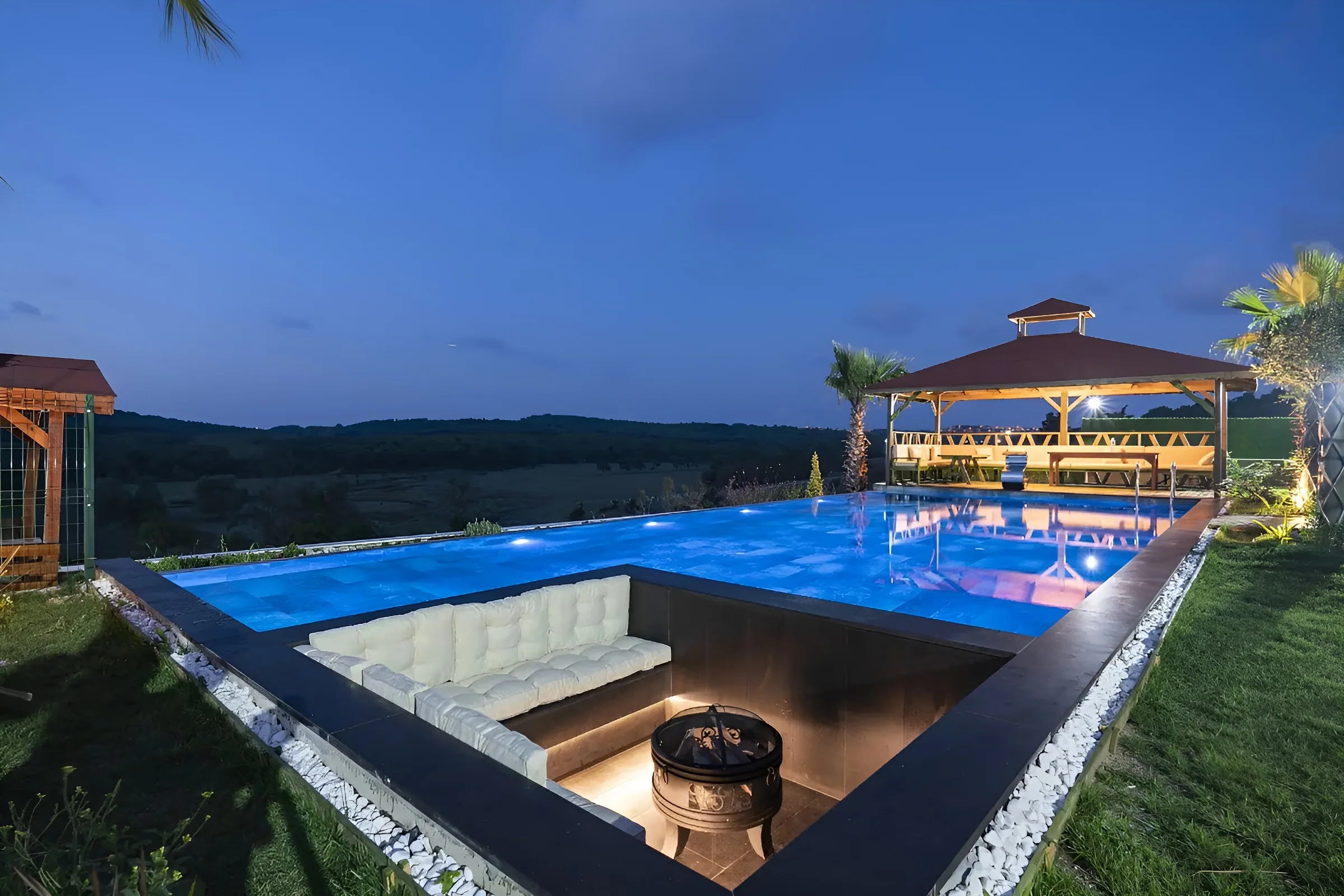
 The garden's new heartHakan Gönen
 Holiday at homeÇetin Uğurlu
Company & Contact
To talk about your project, we are one call away.
Legal Name
Çilek Havuz
Founded
1998 · Istanbul
Head Office
Çilek Plaza, Eyüp Sultan Mah. Yakacık Cd. Feshane Cd. No: 2 D:4 D:1, 34885 Sancaktepe / İstanbul
Service Area
All of Türkiye · exports to 14 countries
Portfolio ·
A selection of pool and spa projects we have brought to life all across Türkiye.
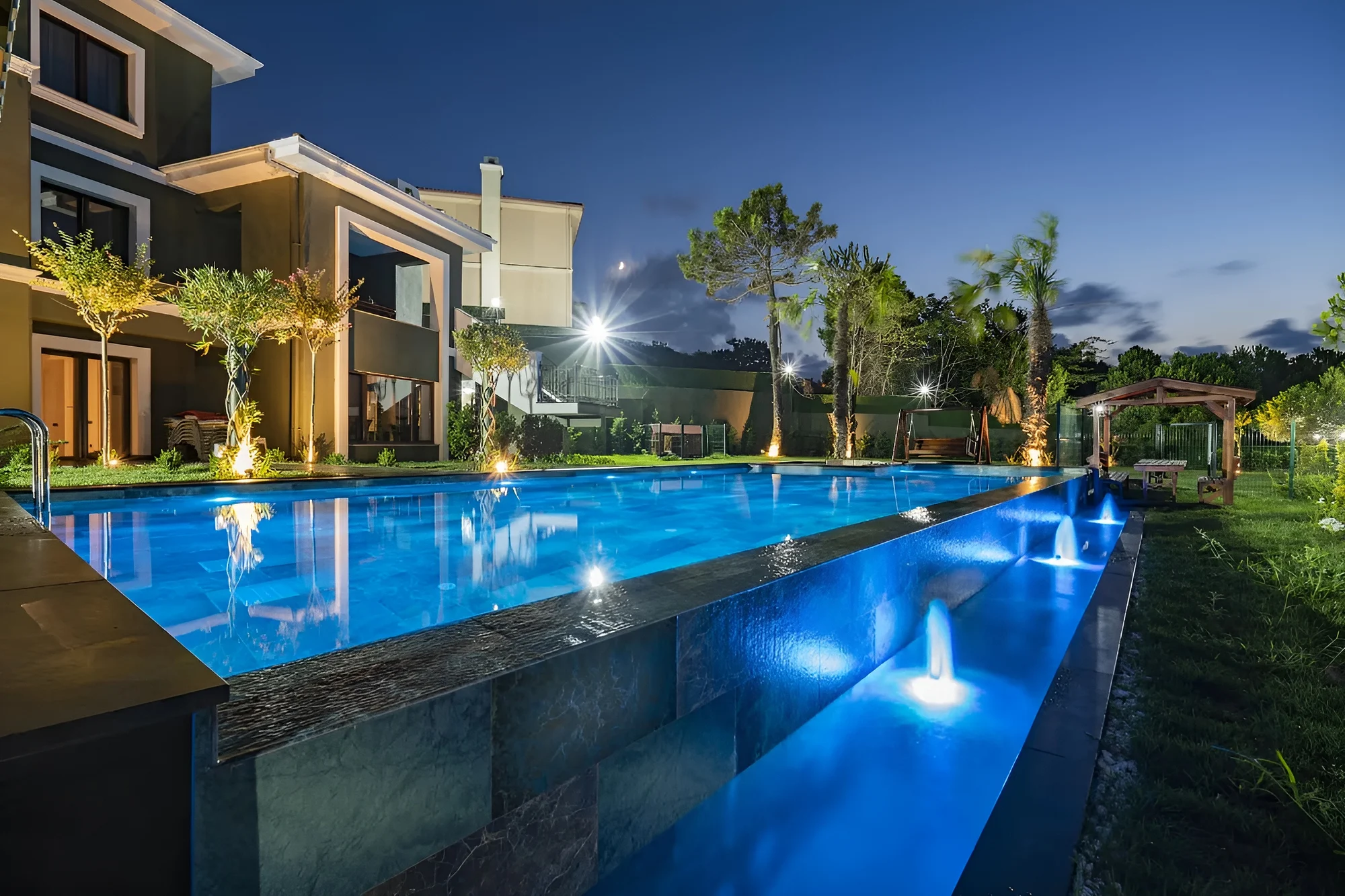 Villa
VillaMehmet Sevigen · Çatalca Infinity Pool
A 12×6 m reinforced-concrete infinity pool completed in Çatalca, Istanbul, in 2025.
- Location
- Çatalca / İstanbul
- Completion
- 2025
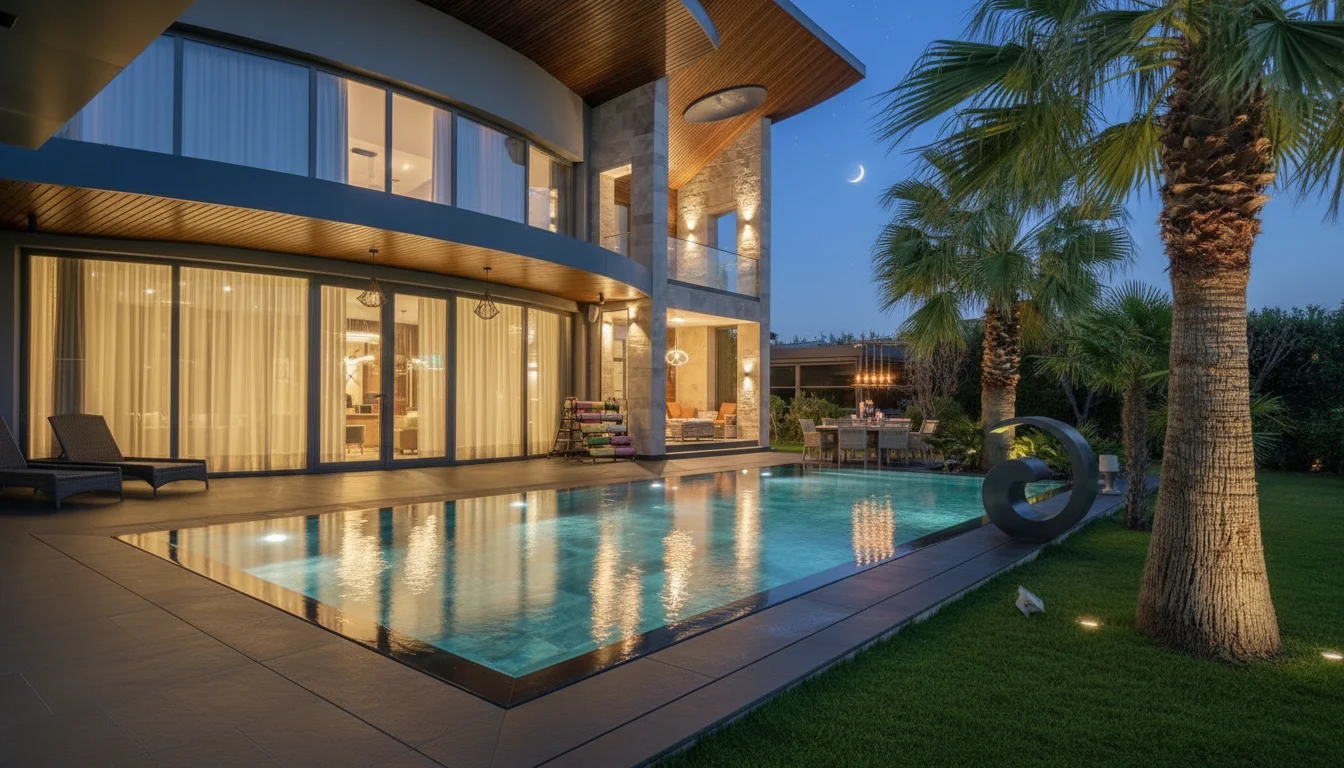 Villa
VillaHakan Gönen · Hadımköy Hidden-Overflow Pool
An 11×6 m hidden-overflow concrete pool completed in Hadımköy, Istanbul, in 2024.
- Location
- Hadımköy / İstanbul
- Completion
- 2024
 Villa
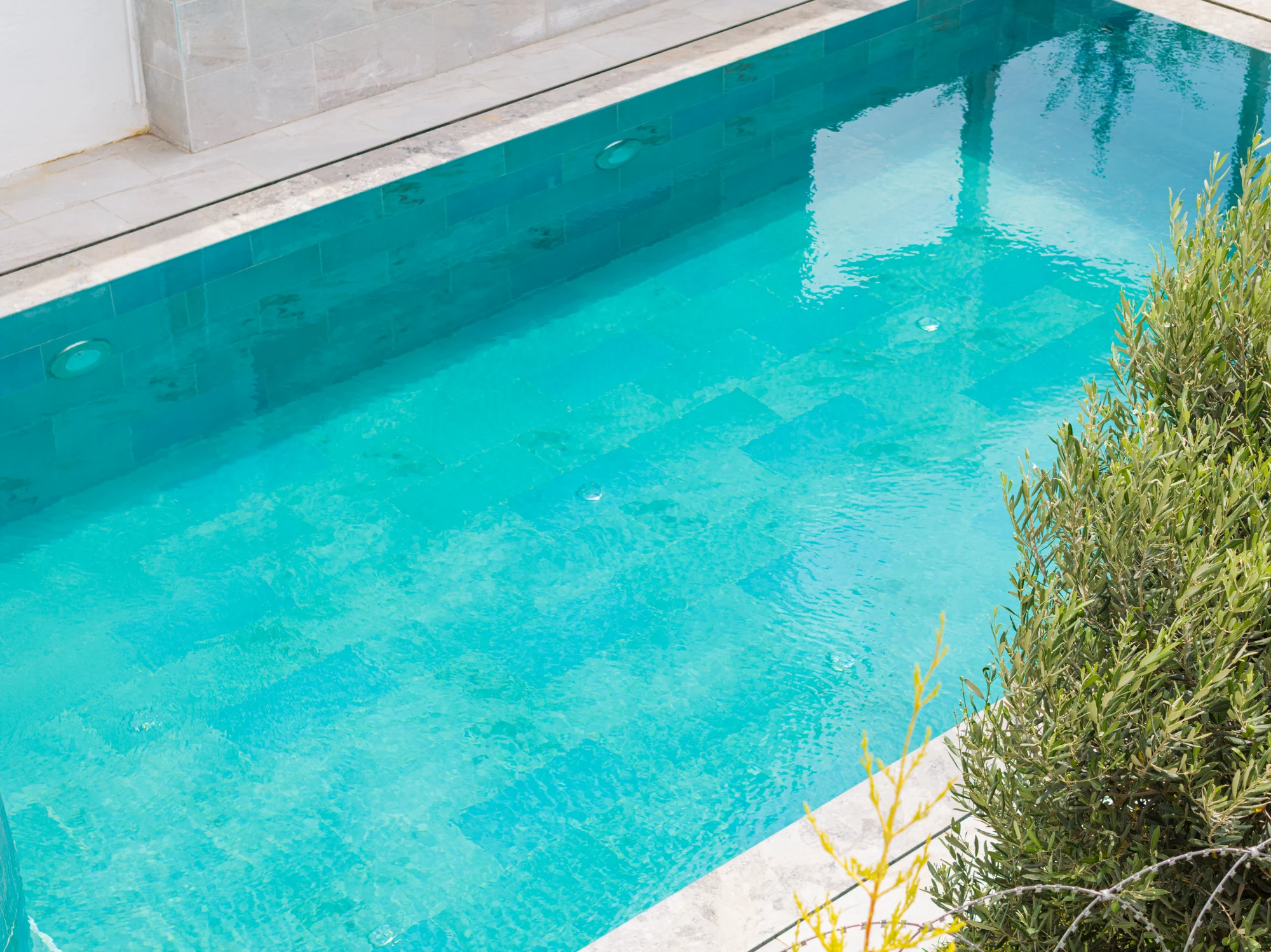
VillaZeynep Mayadağlı · Silivri Hidden-Overflow Pool
A 5×10 m hidden-overflow concrete swimming pool completed in Silivri, Istanbul, in 2024.
- Location
- Silivri / İstanbul
- Completion
- 2024
 Villa
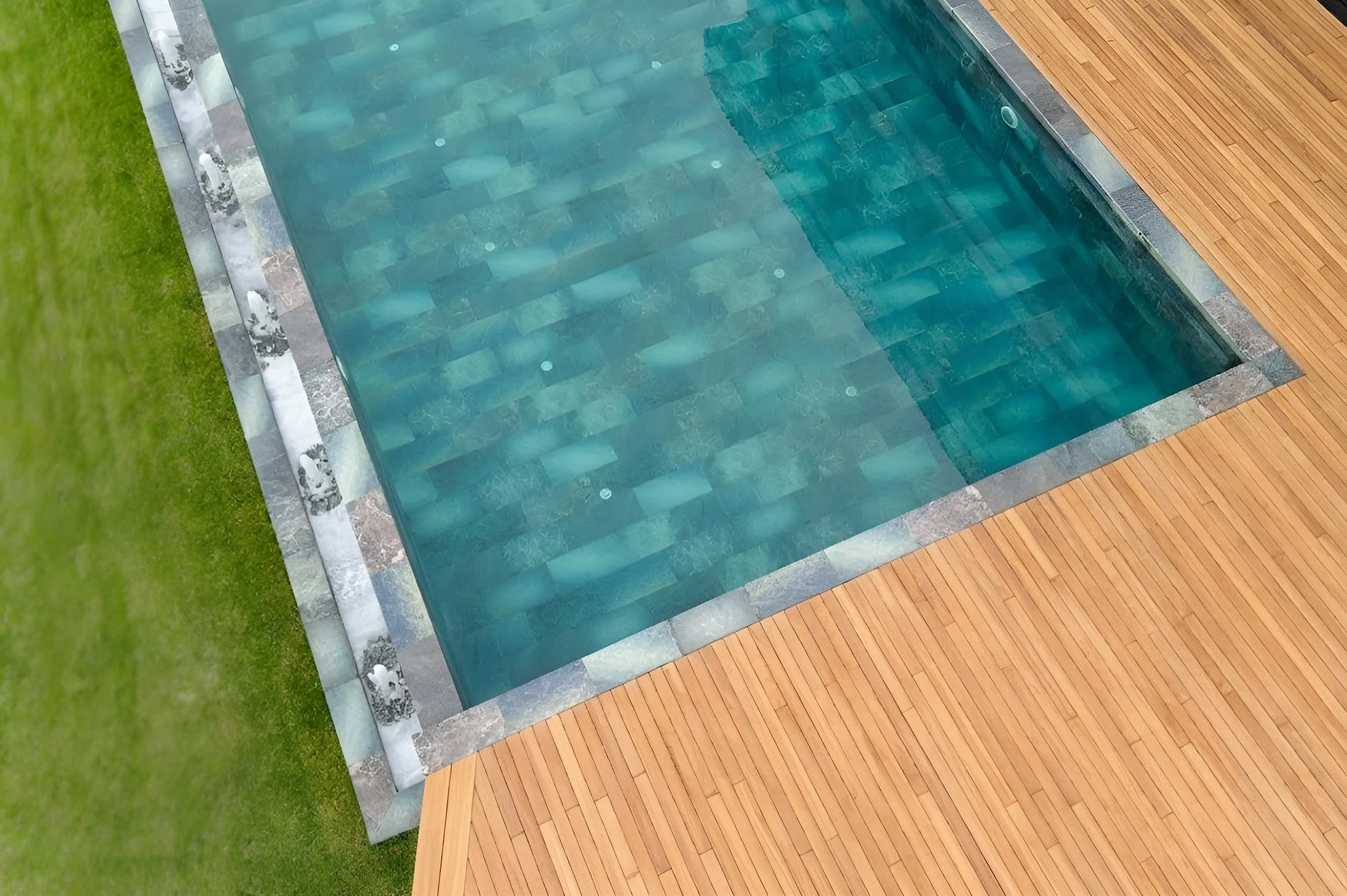
VillaÇetin Uğurlu · Villa Pool
A private villa pool project completed in Istanbul.
- Location
- İstanbul
- Completion
- 2024
 Villa
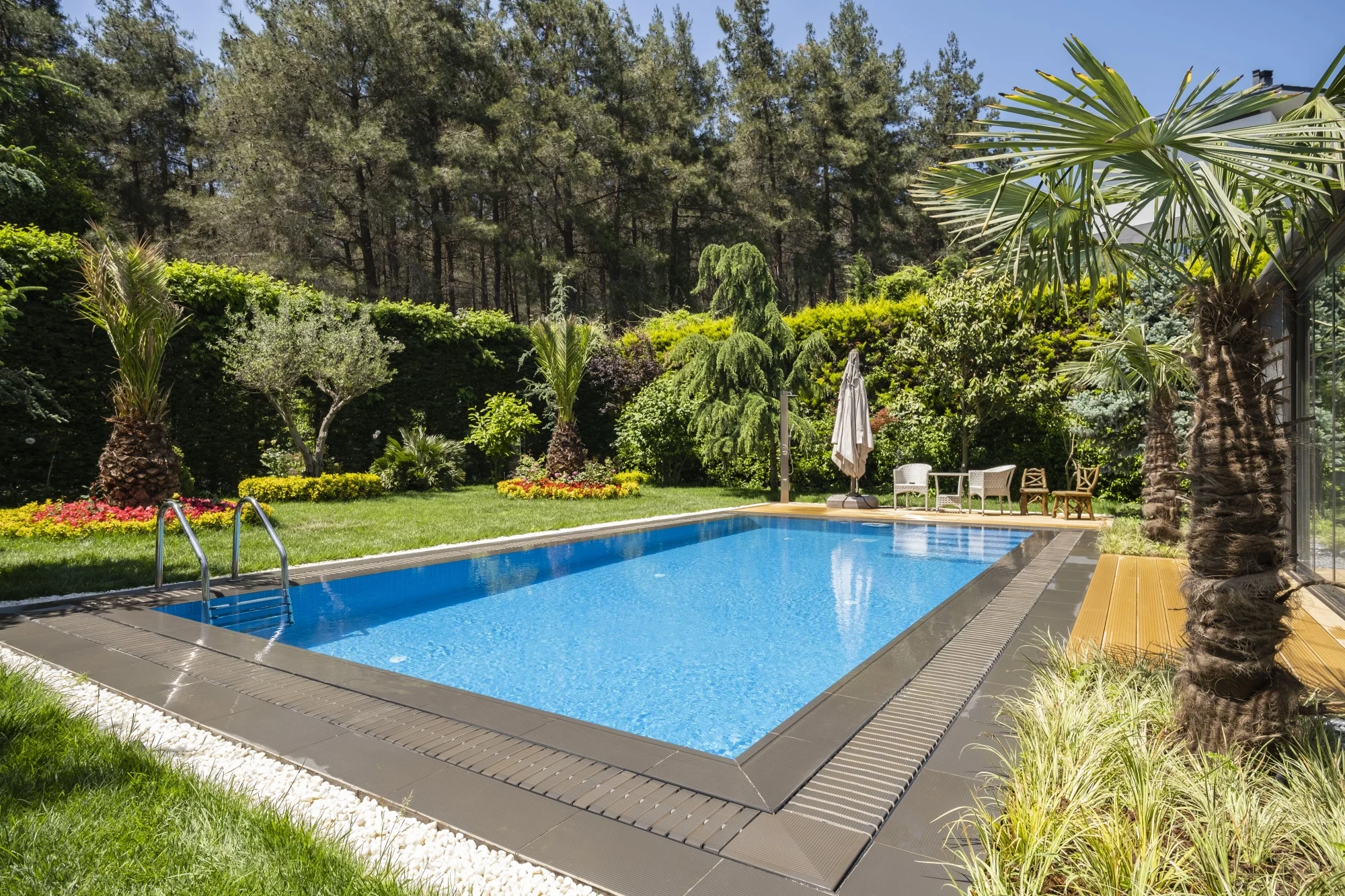
VillaRıza Latif · Çekmeköy Overflow Pool
An overflow concrete swimming pool completed in Çekmeköy, Istanbul, in 2024.
- Location
- Çekmeköy / İstanbul
- Completion
- 2024
 Villa
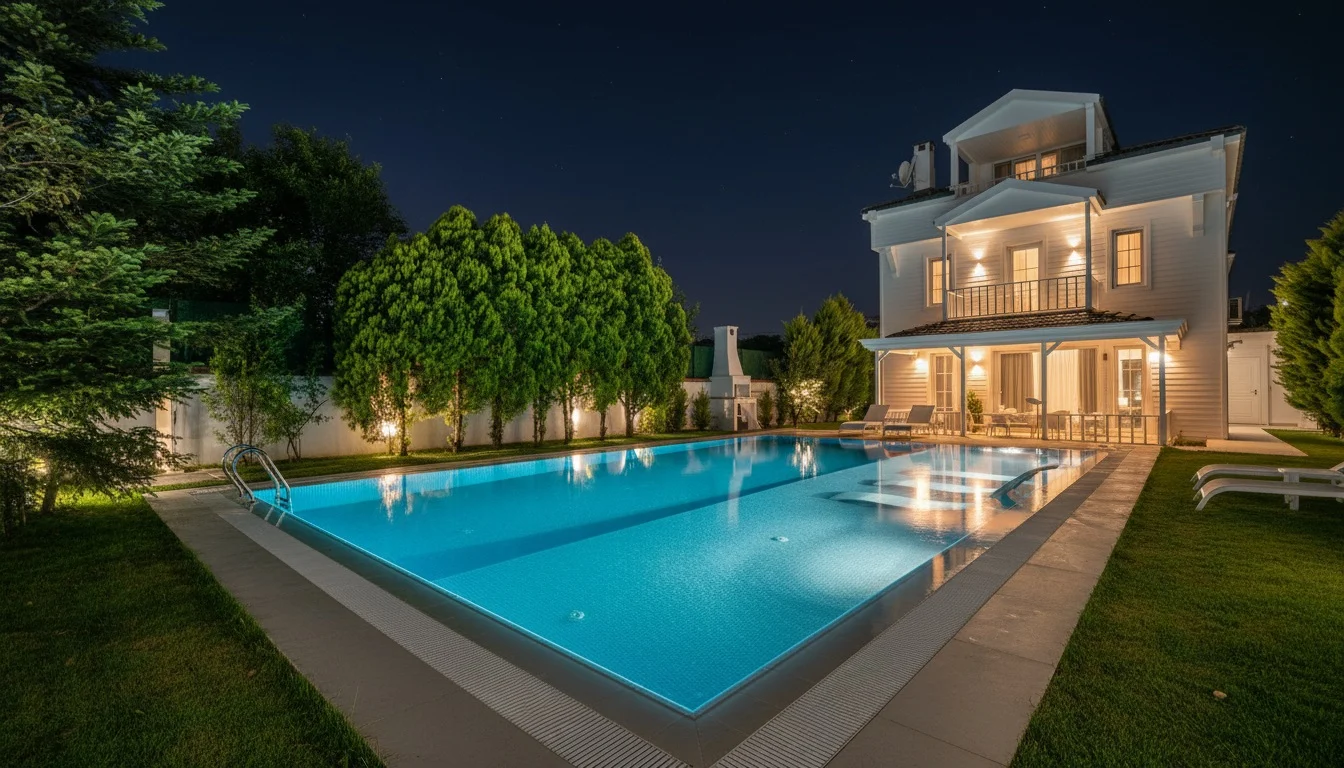
VillaCihan Kızılkaya · Şile Pool Project
A private villa pool project completed in Şile, Istanbul.
- Location
- Şile / İstanbul
- Completion
- 2024
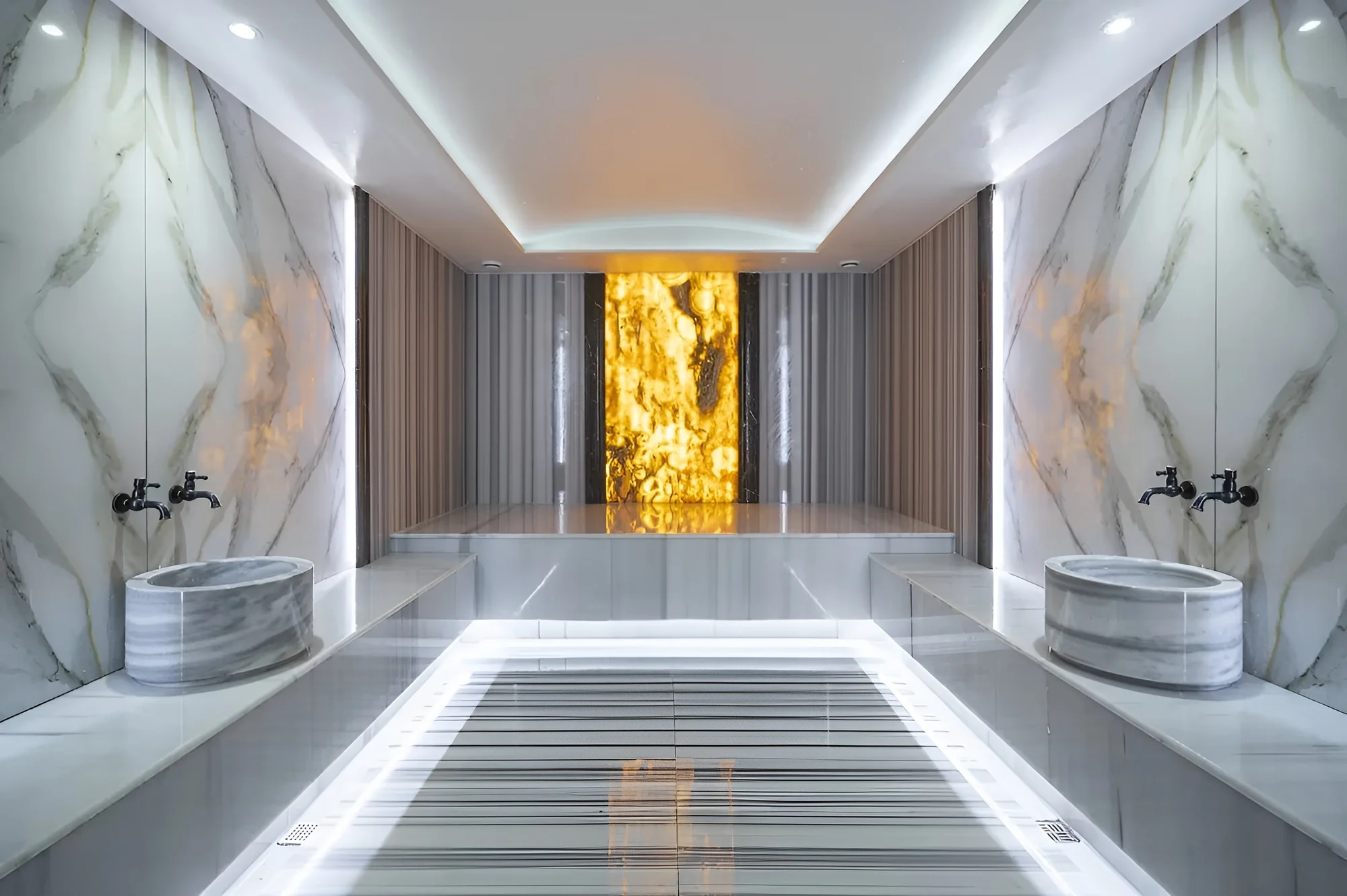 Villa
VillaDilan Polat · Villa Pool
A private villa pool project completed in Istanbul.
- Location
- İstanbul
- Completion
- 2024
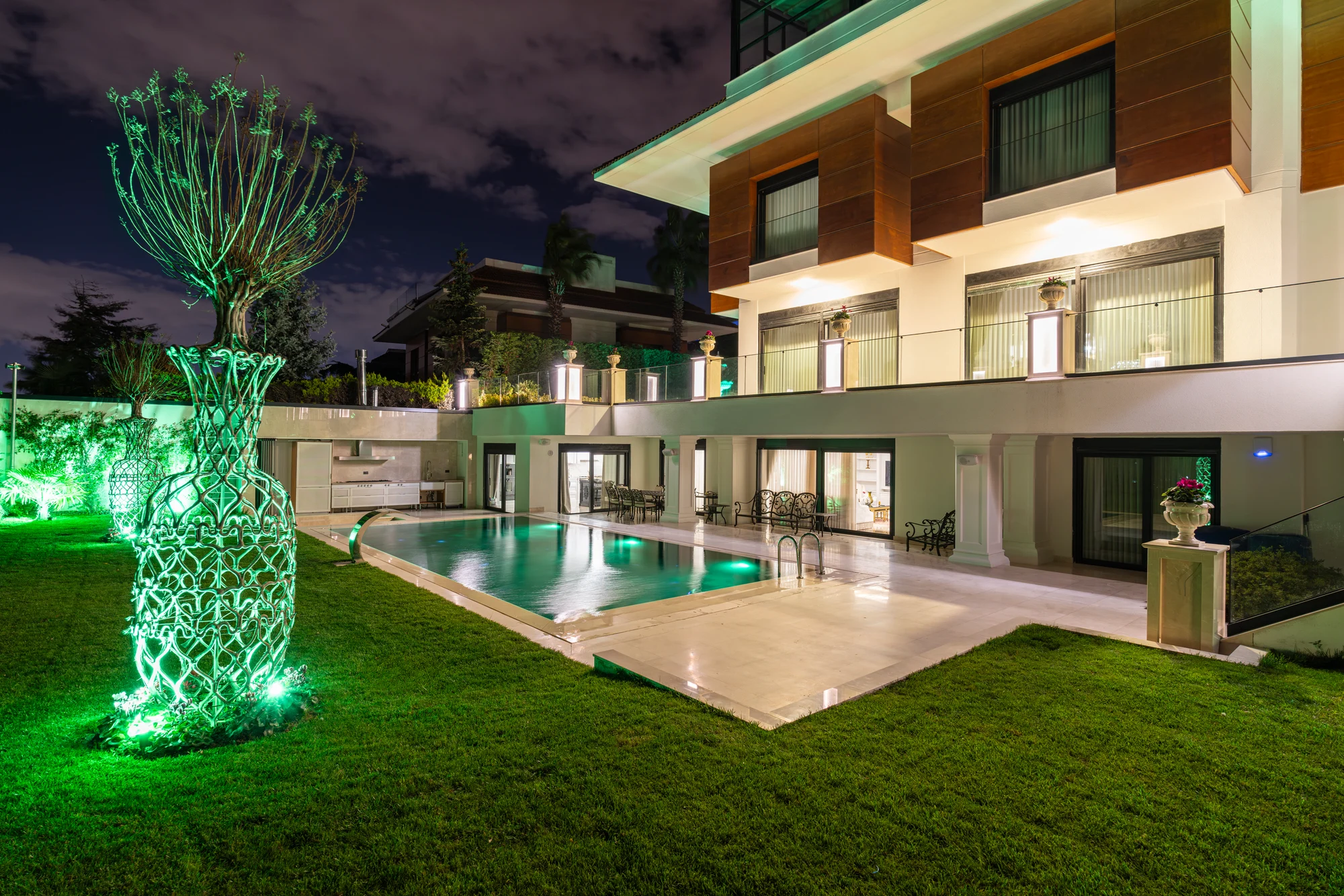 Residence
Efor Holding · Pool Project
A corporate pool project completed for Efor Holding.
- Location
- İstanbul
- Completion
- 2024
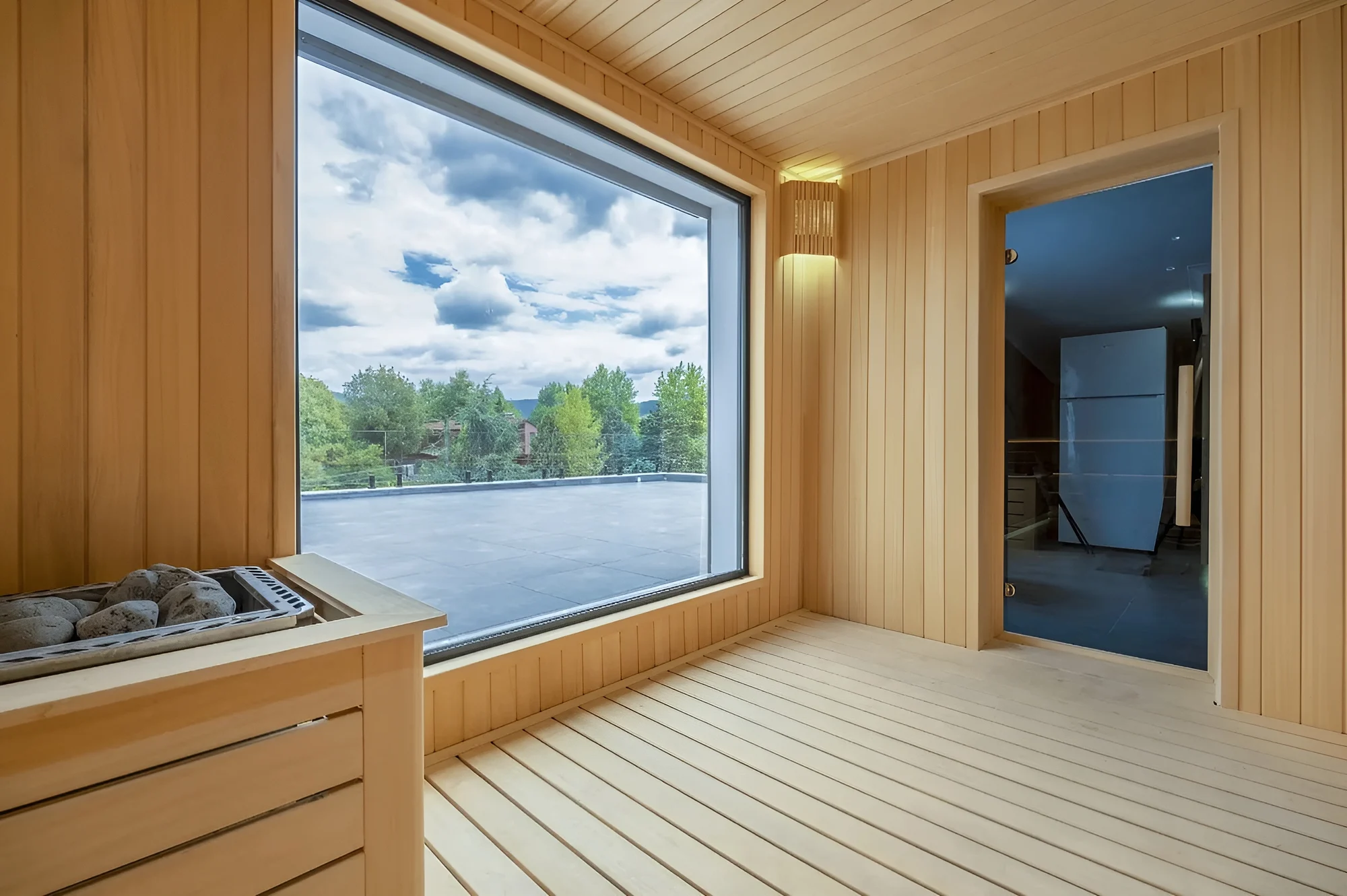 Spa & Wellness
Sinan Türker · Yalova Turkish Hammam & Sauna
A Turkish hammam and sauna wellness project completed in Yalova in 2025.
- Location
- Yalova
- Completion
- 2025
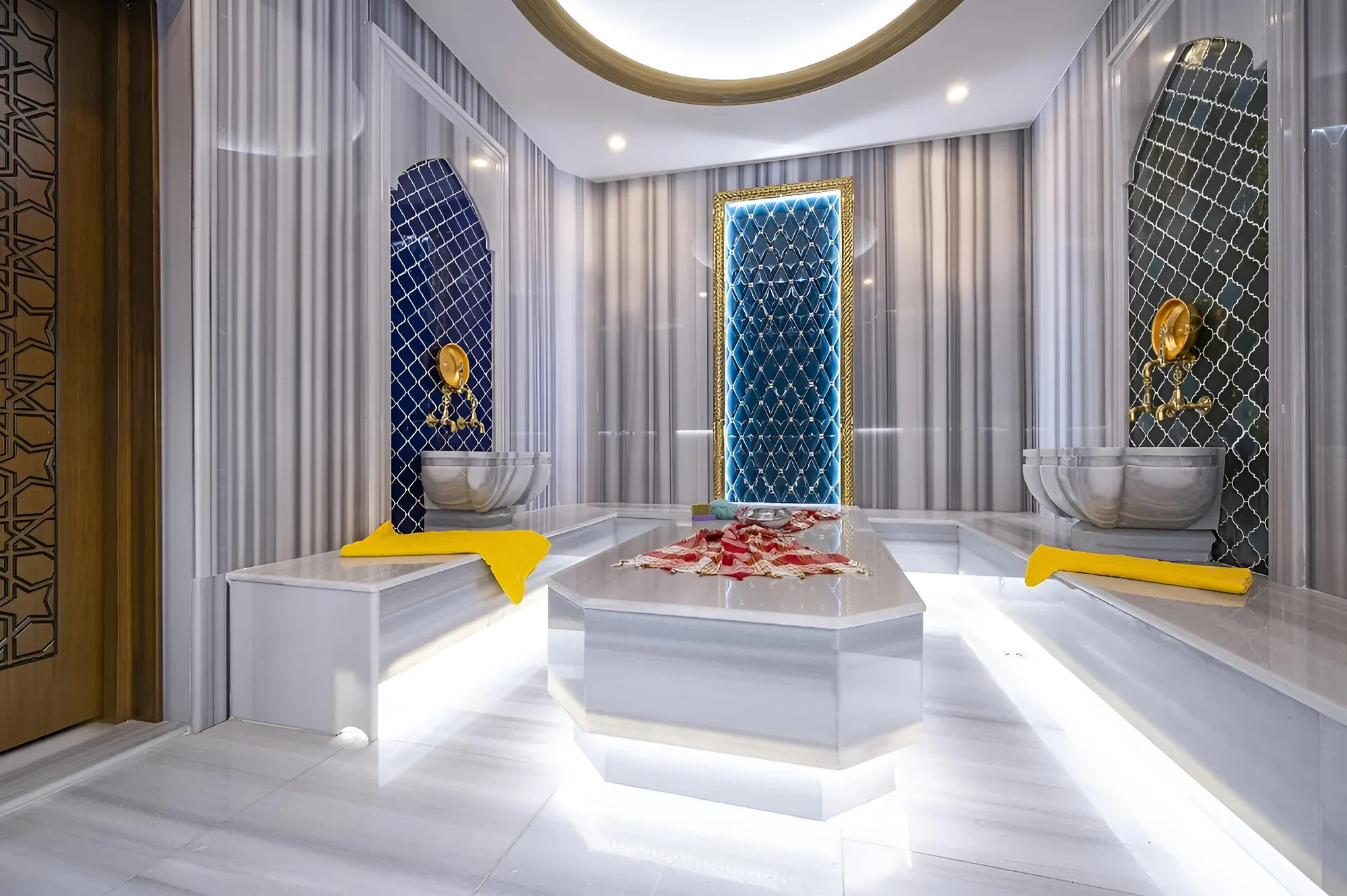 Spa & Wellness
Kudu İnşaat · Yalova Hammam
A traditional Turkish hammam completed in Yalova in 2025.
- Location
- Yalova
- Completion
- 2025
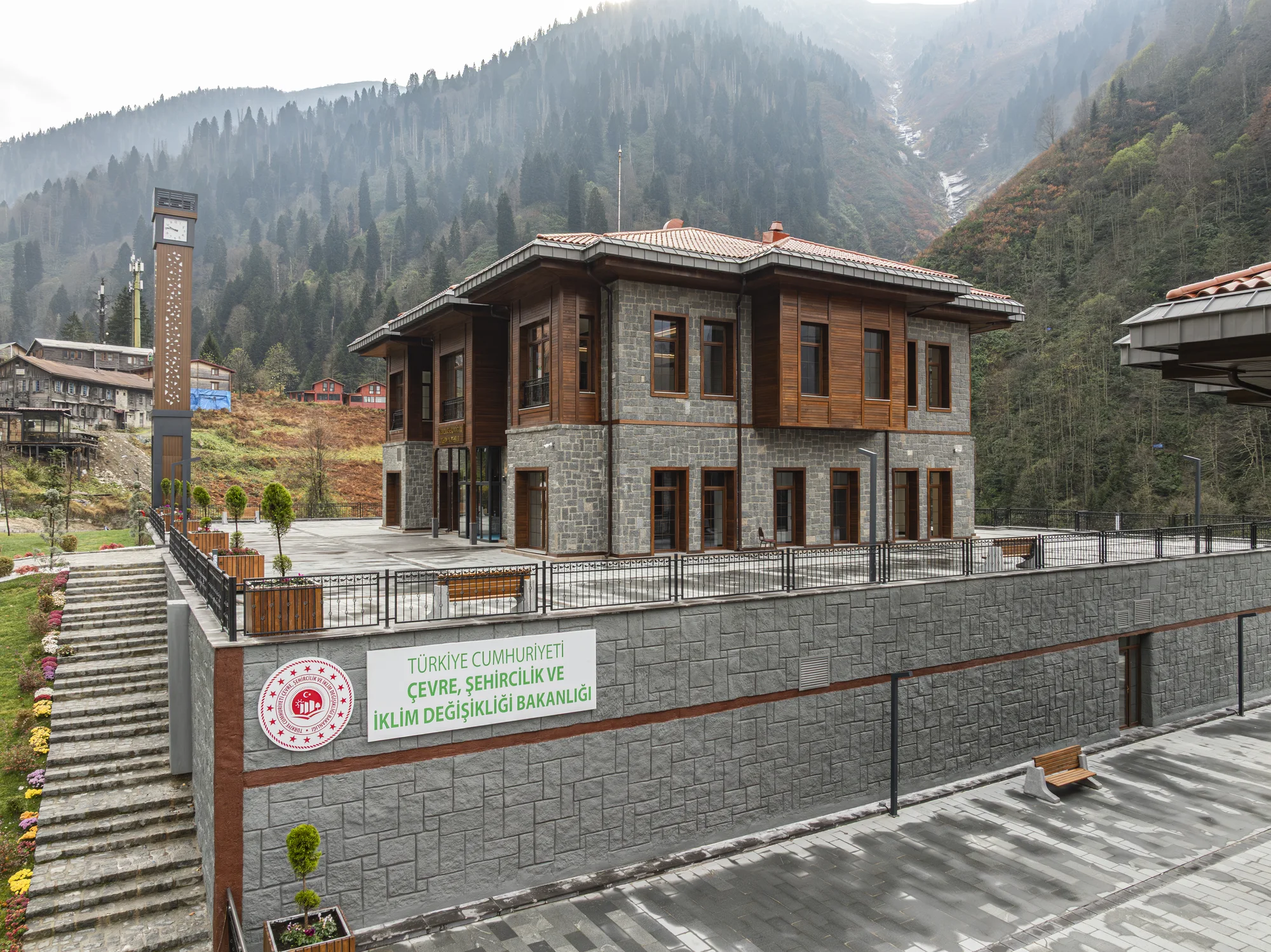 Thermal
Ayder Tenzile Erdoğan Thermal Hotel
In partnership with TOKİ we delivered 42 wet areas turnkey — a complete spa & wellness composition reaching from pools and thermal pools to sauna, steam room, salt room, jacuzzi and shock shower, and from VIP and suite Turkish hammams to Türkiye's largest göbektaşı hammam.
- Location
- Ayder Plateau / Rize
- Completion
- 2025
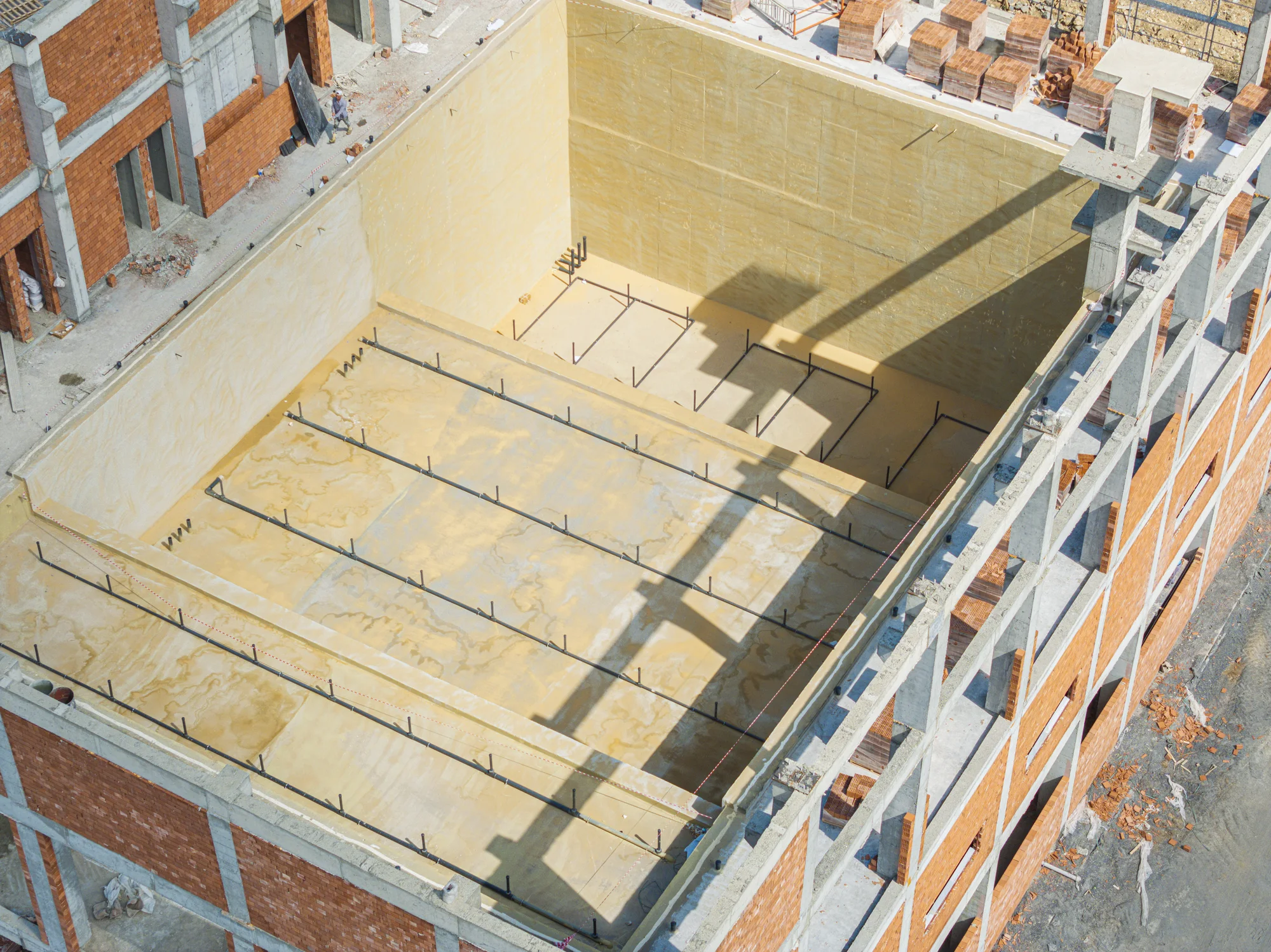 Public Sector
Ministry of National Defence · SAS Training Pool
In Riva we built Türkiye's deepest swimming pool turnkey — 33×22 metres and 10 metres deep. We are proud to have played our part in a facility where our country's heroes will train. The pool's water is disinfected by a 600-gram ozone system — making this Türkiye's largest swimming pool using ozone disinfection.
- Location
- Riva / Istanbul
- Completion
- 2024
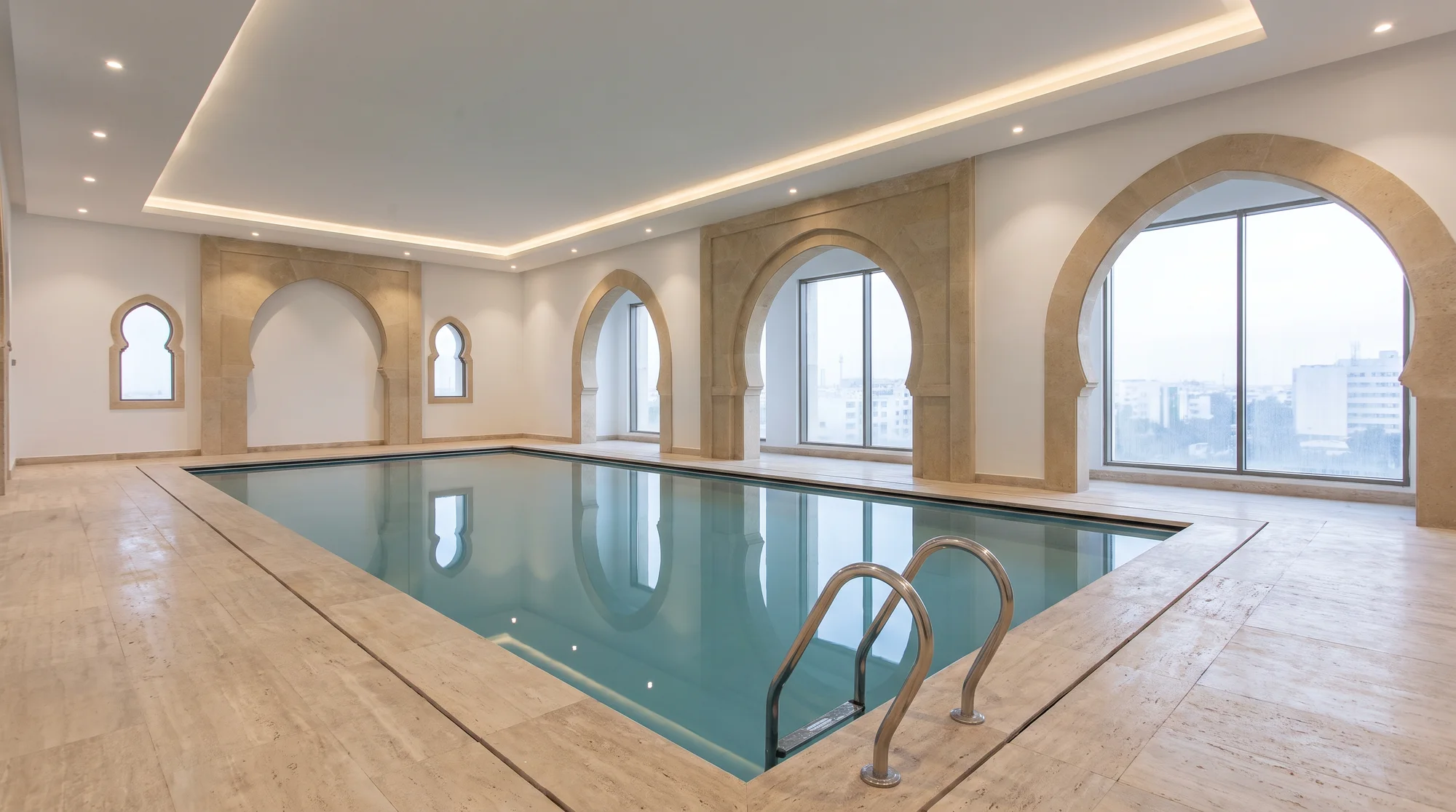 Spa & Wellness
Sofitel Algiers Hamma Garden
For China State Construction Engineering Corporation (CSCEC) we completed the Sofitel hotel's entire spa turnkey — from pools and hydrotherapy pools to jacuzzi, Vichy shower, Turkish hammam, sauna and massage systems.
- Location
- Algeria
- Completion
- 2020
Frequently Asked Questions
Every question on your mind; answered clearly.
Çilek Havuz Technical Team
Pool & Wellness Engineering
- Response Time
- Same day
- Channels
- Phone · E-mail · WhatsApp
If the answer you are looking for is not here, send your question directly to us and our team will reply as soon as possible.
Book a free site surveyDesigning them together gives the most efficient result: levels, drainage runs, deck edges and infrastructure excavations are all resolved in a single design, and the level discrepancies and standing water that come from solutions added later are eliminated from the outset. We do also design the surroundings of an existing pool after the fact — in which case the first task is a study of the existing levels and drainage.
Çilek Havuz Technical Team
The maintenance load is determined at the drawing board, not once the garden is planted: low-litter species suited to the climate, automatic irrigation and durable materials keep maintenance manageable. At handover, a pruning and feeding calendar and the irrigation programme are provided in writing, and through the first season we follow the garden's establishment with inspection visits.
Çilek Havuz Technical Team
Yes — drip irrigation and timer-based automation deliver water straight to the root and at the right hour, so they both reduce consumption and protect plant health; your garden is not left dry while you are away. A rain sensor cuts out unnecessary watering. The system is laid out so that irrigation water is never directed onto hard surfaces or into the pool.
Çilek Havuz Technical Team
With the right detailing both are long-lasting; the decision is a balance between your aesthetic priority and the time you can give to maintenance. Natural timber stands out for its grain and the way it stays cool underfoot, but it needs periodic oiling; composite is low-maintenance yet can get hotter in the sun and does not reproduce the living texture of timber exactly. With either material, ventilation beneath the boards and drainage are a precondition of the installation.
Çilek Havuz Technical Team
Species that shed little, have controlled roots and tolerate chlorine splash are preferred. Species that drop leaves heavily, bear fruit or exude resin, or have aggressive roots, mean load on the skimmer, slippery surfaces and risk to the infrastructure. The palette is built around the climate and the soil, and needs such as shade, privacy and wind screening are also resolved through the placement of the planting.
Çilek Havuz Technical Team
Because the lifespan of a landscape is decided below ground: in a garden where drainage has not been resolved, standing water, slippery surfaces, algal growth and freeze-thaw damage are inevitable. Surface falls carry water away from the pool and the building, while the permeable layers beneath decking and stone prevent settlement and damp. We never close up any surface before these invisible layers have been tested.
Çilek Havuz Technical Team
Installed correctly, yes: fittings are selected in a protection class suited to moisture and water, circuits are fed through residual-current protection, and cables are laid at the infrastructure stage so that they do not clash with the drainage layers. The lighting is set low and free of glare, and walkways and changes of level are always lit for safety.
Çilek Havuz Technical Team
Hardscape and infrastructure works can be carried out through most of the year, while planting is scheduled around each species' seasonal window, with spring and autumn generally the most productive periods. The smartest arrangement is to complete the design and the infrastructure over the winter months and take the garden into the planting season ready — so that you spend your first summer in a finished garden.
Çilek Havuz Technical Team