

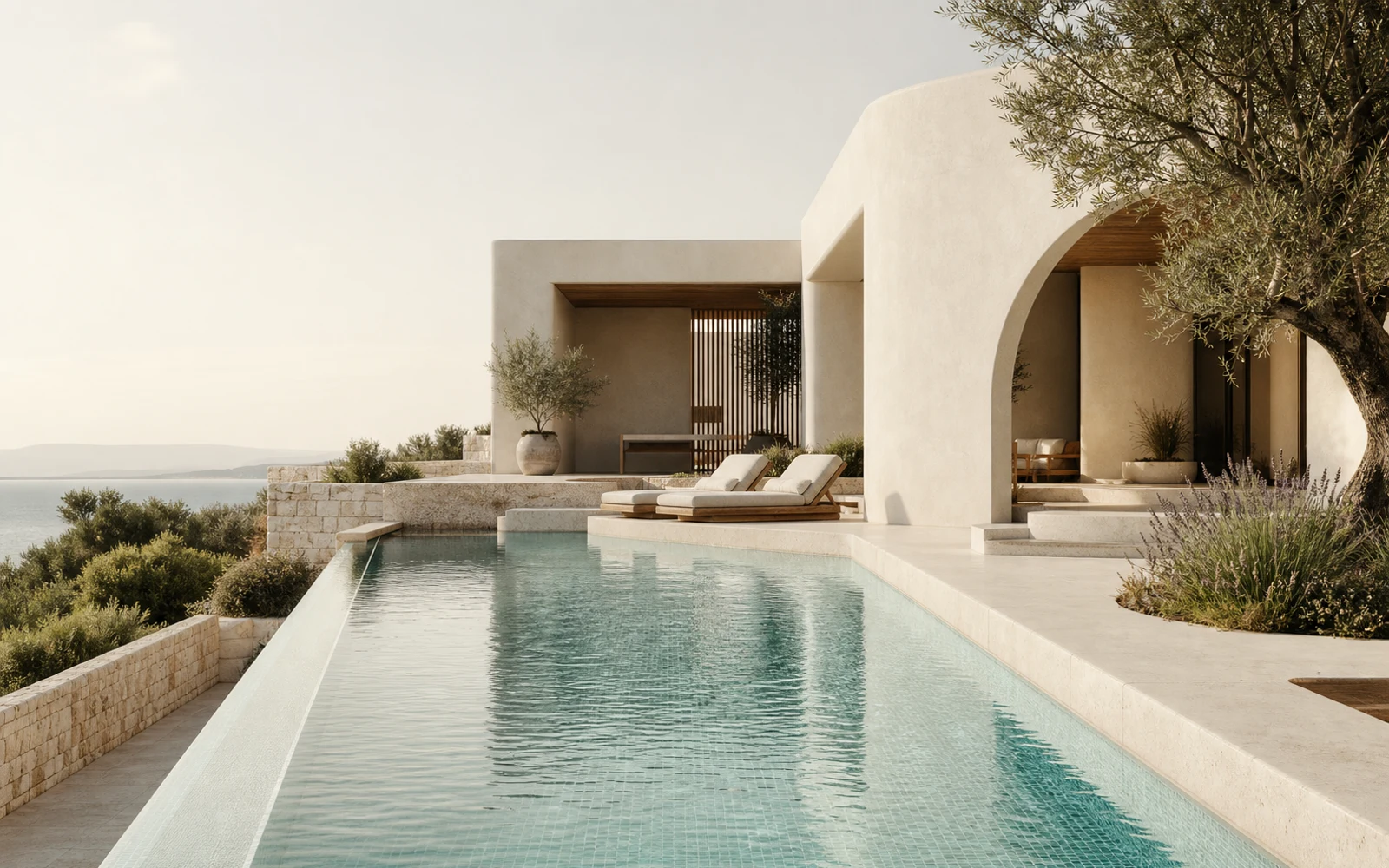
Building a Pool From Scratch: A Step-by-Step Engineering Guide
From soil survey and hydraulic calculation to shell and filtration, we walk through the engineering behind a turnkey pool, step by step.
From soil survey and hydraulic calculation to shell and filtration, we walk through the engineering behind a turnkey pool, step by step.
The right pool begins at the drafting desk long before the sound of excavation. The first step is discovery and requirements analysis: who will use the pool and how frequently; is it for a villa, residential community or hotel; is swimming or relaxation the priority? These questions directly determine the pool dimensions, depth, overflow system (skimmer or overflow channel) and equipment capacity.
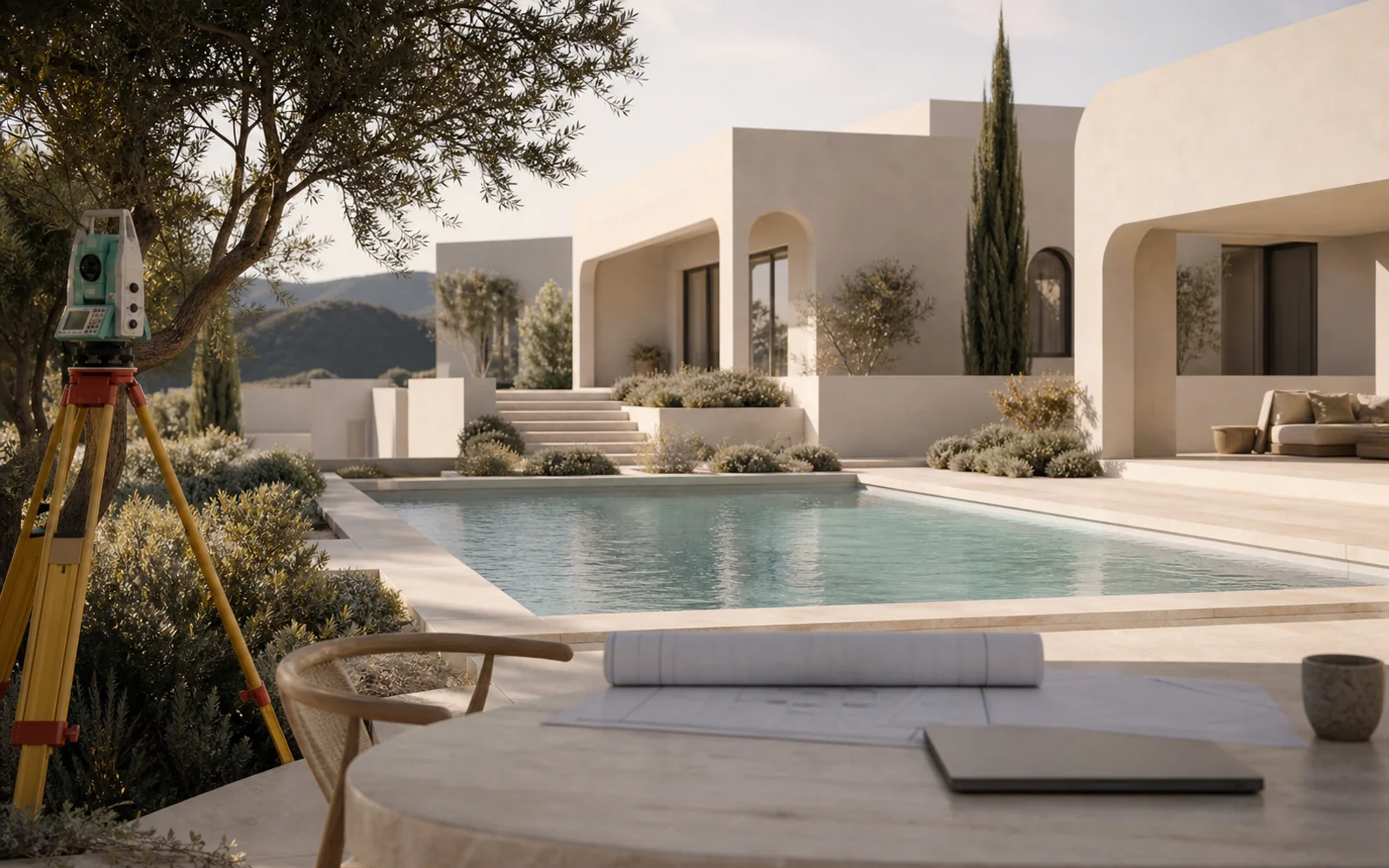
During discovery, site topography, soil conditions, distance to water and electrical infrastructure, and space for the technical plant room are inspected on-site. Projects that bypass this stage often exceed both budget and schedule due to unforeseen surprises. We treat discovery as complimentary engineering consultation, providing you with a realistic project framework from day one.
A swimming pool is an engineering structure permanently holding tons of water: each cubic meter of water represents approximately one ton of structural load. Structural calculations and certified drawings are essential to transfer this load safely to the ground and design reinforcement and waterproofing correctly. In pools started without proper engineering, cracks and water leakage within a few seasons are the most common outcome.
Alongside structural calculations, hydraulic engineering is equally vital: pump flow rates, filtration capacity, suction and return line pipe sizing, and complete circulation patterns within the pool are established by these calculations. When properly sized, water remains crystal clear and operating costs stay low. Upon delivery, we provide complete structural and hydraulic engineering documentation.
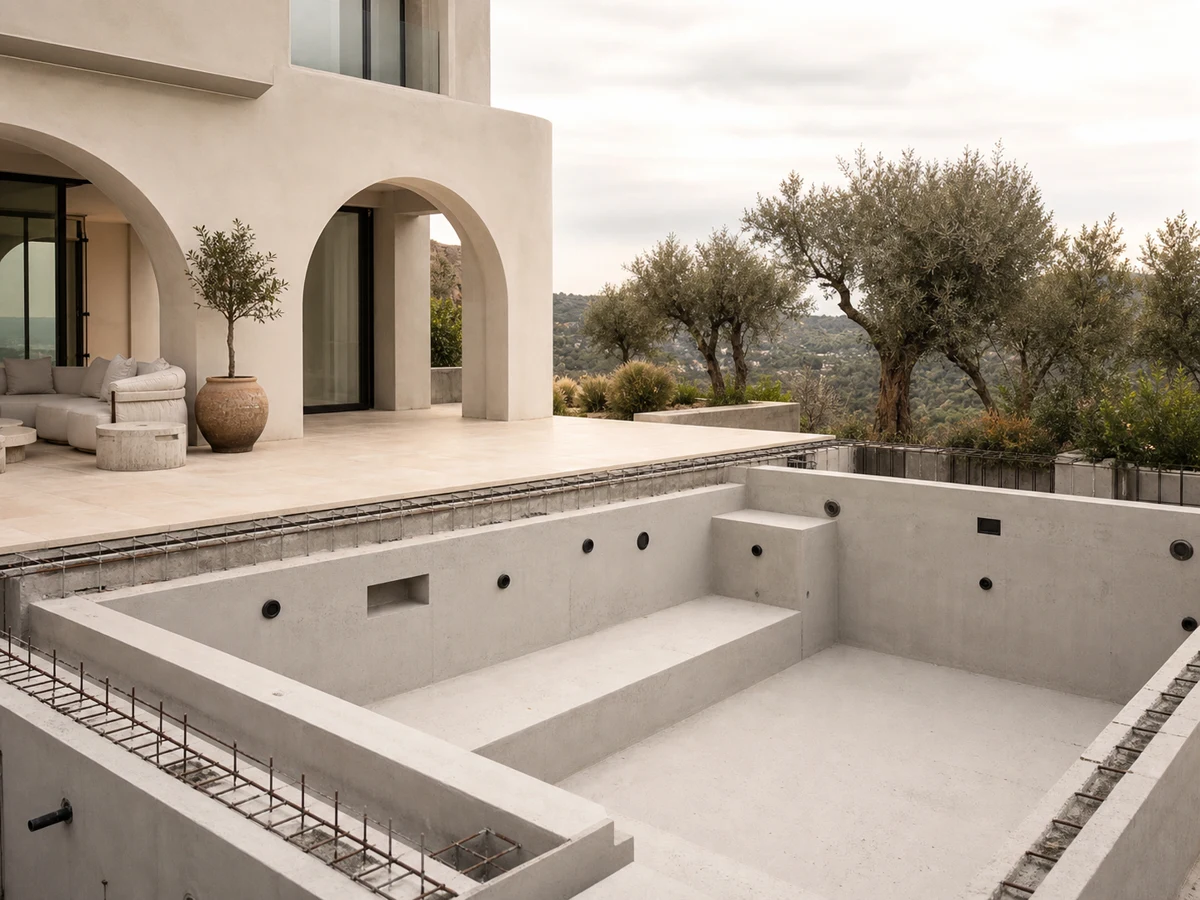
Construction begins with site layout and setting out the pool geometry on the land. Excavation is carried out according to project elevations; shoring or slope stabilization is applied when soil conditions demand. On weaker soils, blinding concrete and foundation soil improvement/piling are deployed to ensure load-bearing capacity.
Reinforcement is never laid before drainage layers and blinding concrete are installed across the excavation base. This intermediate layer ensures both subsoil drainage and level seating for the reinforced concrete foundation. Diligence during ground preparation is the invisible yet decisive foundation determining the 30-to-40-year lifespan of the pool.
A reinforced concrete pool takes shape on-site through formwork, steel reinforcement, and monolithic concrete pouring. It adapts to any custom geometry or dimension, representing the most versatile system for overflow channels and infinity pools; when executed properly, it offers a lifespan exceeding 50 years. Prefabricated panel pools, by contrast, are assembled from factory-manufactured modular panels on a concrete slab, installing much faster and more economically.
Which system is best depends on your budget, timeline and architectural expectations. Reinforced concrete leads in villa and hotel projects demanding permanent luxury and bespoke geometries, while modular panels excel in projects seeking rapid, practical solutions. Because we build both systems, we guide you with an objective technical comparison.
Once the structural shell is complete, the focus shifts to retaining the water: multi-layer waterproofing is the critical phase ensuring zero leakage. Ceramic tiles, glass mosaic or PVC liner membranes are installed over the waterproofing; the lining choice shapes both aesthetic appeal and ease of maintenance. A hydrostatic water retention test is always performed before applying final finishes.
Mechanical installation integrates pumps, sand filters, automated dosing and heat pumps. Equipment selection proves its worth over the long term; in our projects, we specify variable-speed pumps and advanced filtration from AstralPool to optimize energy efficiency and silent operation. After installation, the entire hydraulic circuit is tested and balanced.
A realistic construction schedule is the foundation of trust. For a standard private villa pool, the process typically progresses as follows: site discovery and design 1–2 weeks, excavation and concrete shell 2–4 weeks, concrete curing and waterproofing 1–2 weeks, lining and mechanical plant room installation 1–2 weeks, water filling and commissioning several days. In total, most projects are completed within 6–10 weeks.
This timeline varies according to pool size, weather conditions, soil structure and selected finishes. Certain phases, such as concrete curing, cannot be rushed; we advise caution regarding promises of 'turnkey pools in 10 days.' We provide a clear milestone-based schedule from the outset, keeping you informed at every stage.
Handover does not end with filling the water. During commissioning, comprehensive checks verify multi-point circulation, filter operating pressure, automation and lighting functionality, and initial water balance (pH 7.2–7.6, free chlorine 1–3 ppm). Leak tests and overall watertightness receive final confirmation.
You receive your structural and hydraulic project files, equipment warranty certificates, an operation and maintenance guide, and relevant permitting documentation. These records serve as your warranty protection and the technical roadmap for future servicing. As Çilek Havuz, our support continues with regular maintenance and service long after delivery.
Image gallery
04 görsel
 01
01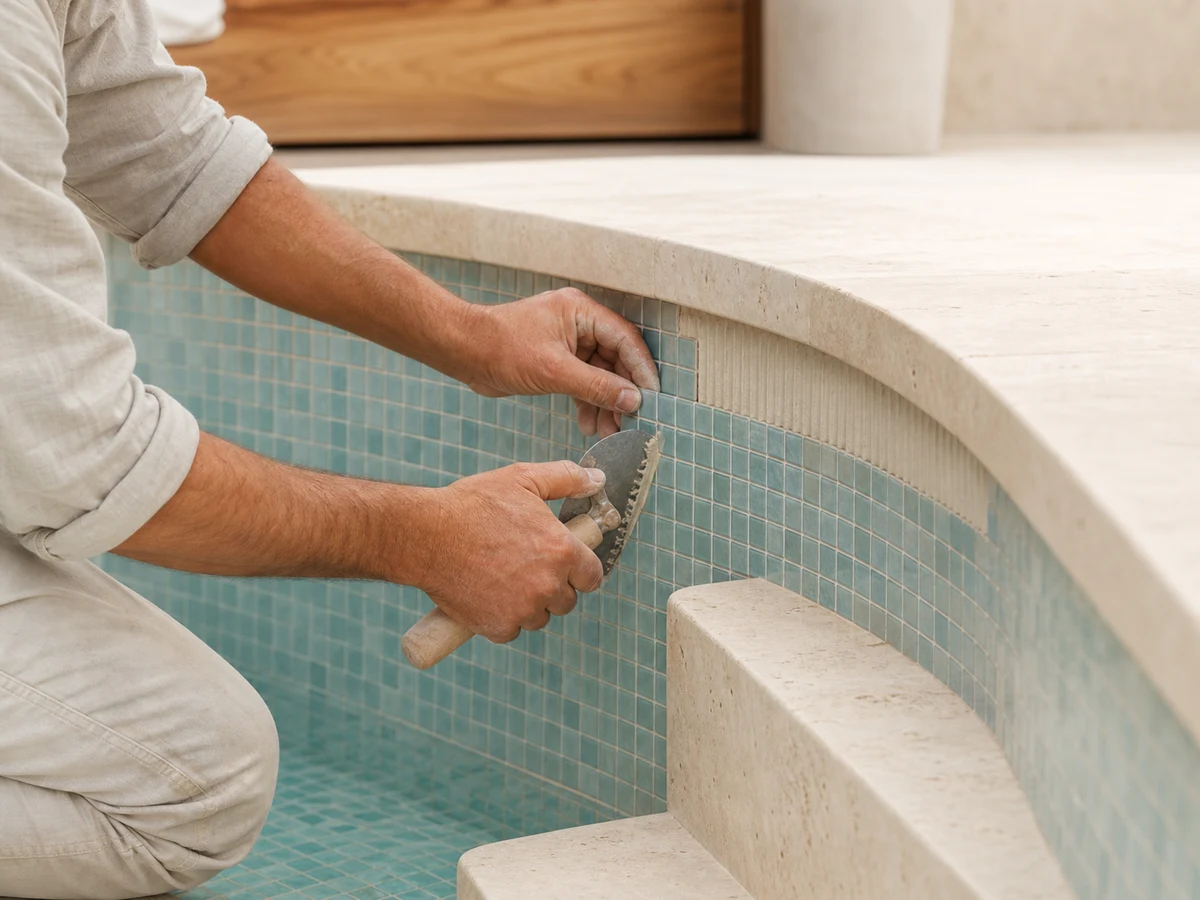 02
02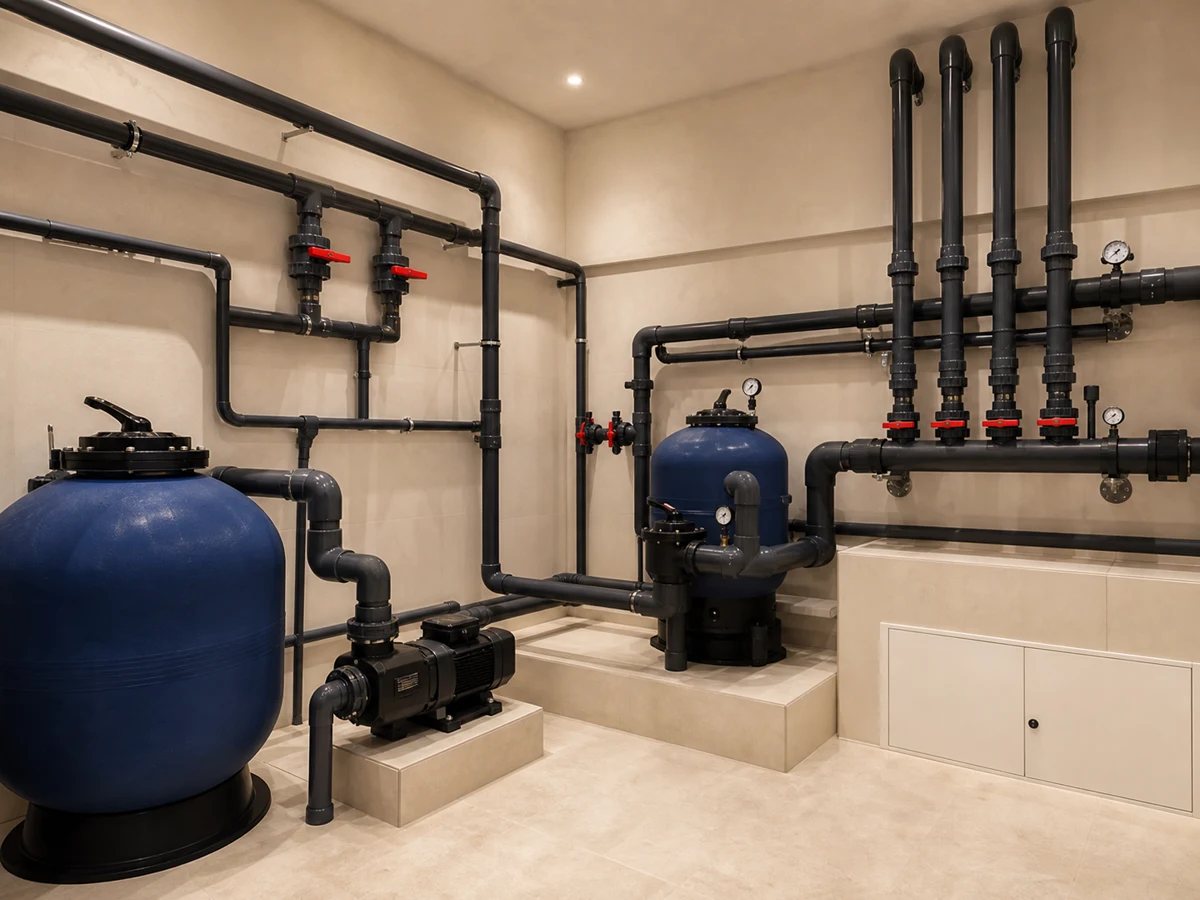 03
03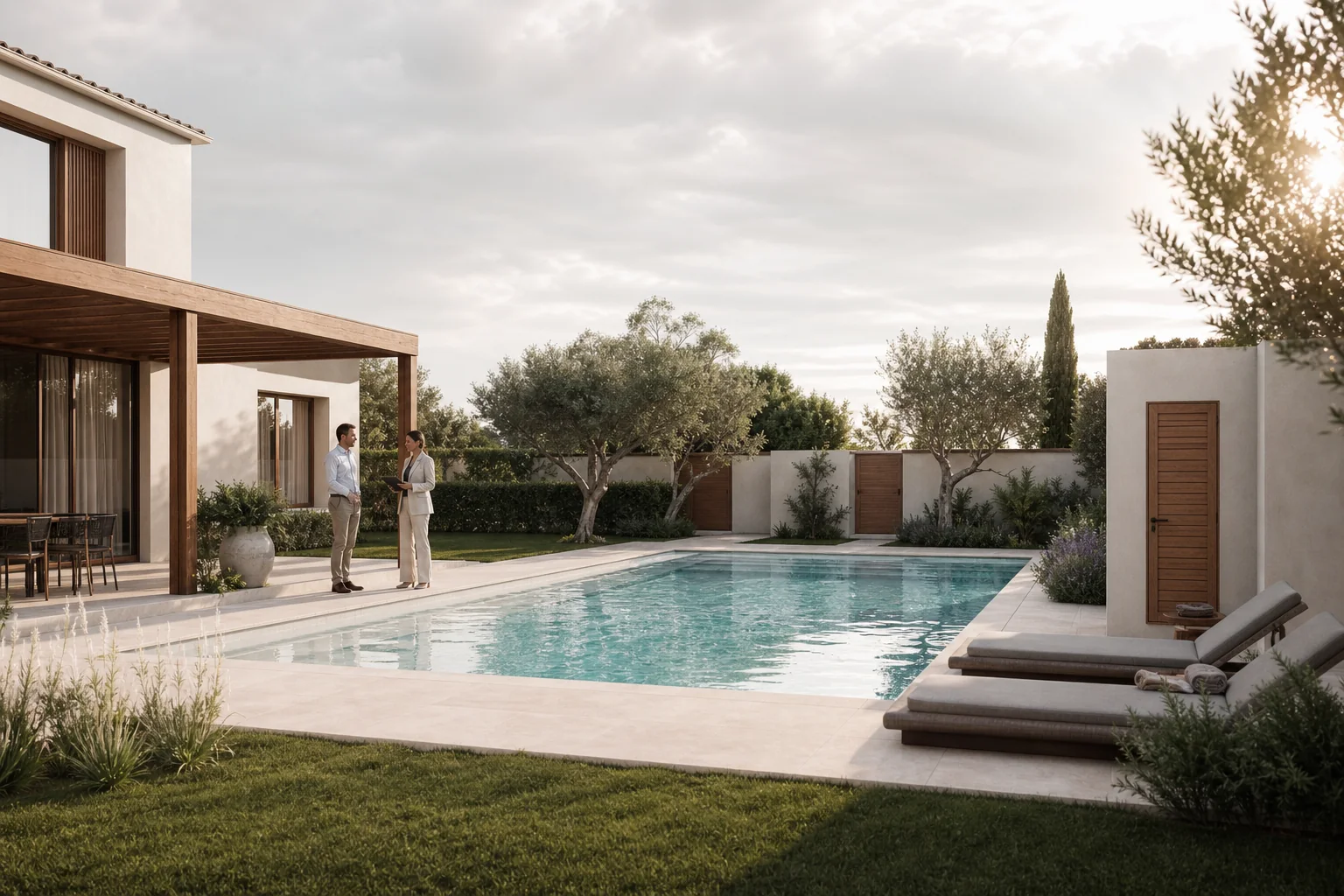 04
04Company & Contact
To talk about your project, we are one call away.
Legal Name
Çilek Havuz
Founded
1998 · Istanbul
Head Office
Çilek Plaza, Eyüp Sultan Mah. Yakacık Cd. Feshane Cd. No: 2 D:4 D:1, 34885 Sancaktepe / İstanbul
Service Area
All of Türkiye · exports to 14 countries
Related articles
Keep reading.
Sık Sorulan Sorular
Our readers' most asked; with expert answers.
Çilek Havuz Content & Technical Team
Guides & Technical Content
- Response Time
- Same day
- Channels
- Phone · E-mail · WhatsApp
If the answer you are looking for is not here, send your question directly to us and our team will reply as soon as possible.
Book a free site surveySpring and autumn are the most favorable seasons for excavation and concrete works; midsummer heat accelerates concrete curing excessively, while winter freeze risks hinder site operations. If you want your pool ready for summer, we recommend initiating discovery and design during winter, allowing a comfortable construction schedule.
Çilek Havuz Content & Technical Team
Dimensions and depth depend on user count, whether active swimming or casual lounging is the priority, child safety requirements, and available garden space. A longer pool suits lap swimming, while wider and shallower zones benefit family relaxation. We help refine these dimensions collaboratively during discovery.
Çilek Havuz Content & Technical Team
Excavation, earthmoving transport and equipment access temporarily impact part of the garden. However, planning access routes and plant room locations during initial discovery minimizes disruption. Addressing landscaping holistically upon handover limits lasting damage.
Çilek Havuz Content & Technical Team
In professional pool contracting, payments follow transparent project milestones: contract signing, rough structure, mechanical installation and final handover. We recommend confirming the payment milestone schedule in writing at the contract stage.
Çilek Havuz Content & Technical Team
Skipping site discovery and structural engineering, skimping on waterproofing membranes, undersizing pump and filter capacities, and allocating insufficient plant room space. These initial shortcuts inevitably turn into expensive repair bills a few seasons later. Choosing the right engineering contractor prevents them from the start.
Çilek Havuz Content & Technical Team
Routine cleaning and basic chemical checks can be handled using the user guide we provide. However, seasonal opening/closing, equipment overhauls and troubleshooting benefit greatly from regular service support. You can manage maintenance yourself or delegate it entirely via our periodic maintenance agreements.
Çilek Havuz Content & Technical Team