

Salt Rooms
Salt-room applications for respiratory and skin wellness.
Çilek Havuz in Numbers
We bring the stillness of a salt cave into your space, with engineering precision.
- 33+
- Years
- 14
- Export
- 500+
- Projects
Salt Rooms — Frames from Our Projects
Frames from Our Projects
06 media
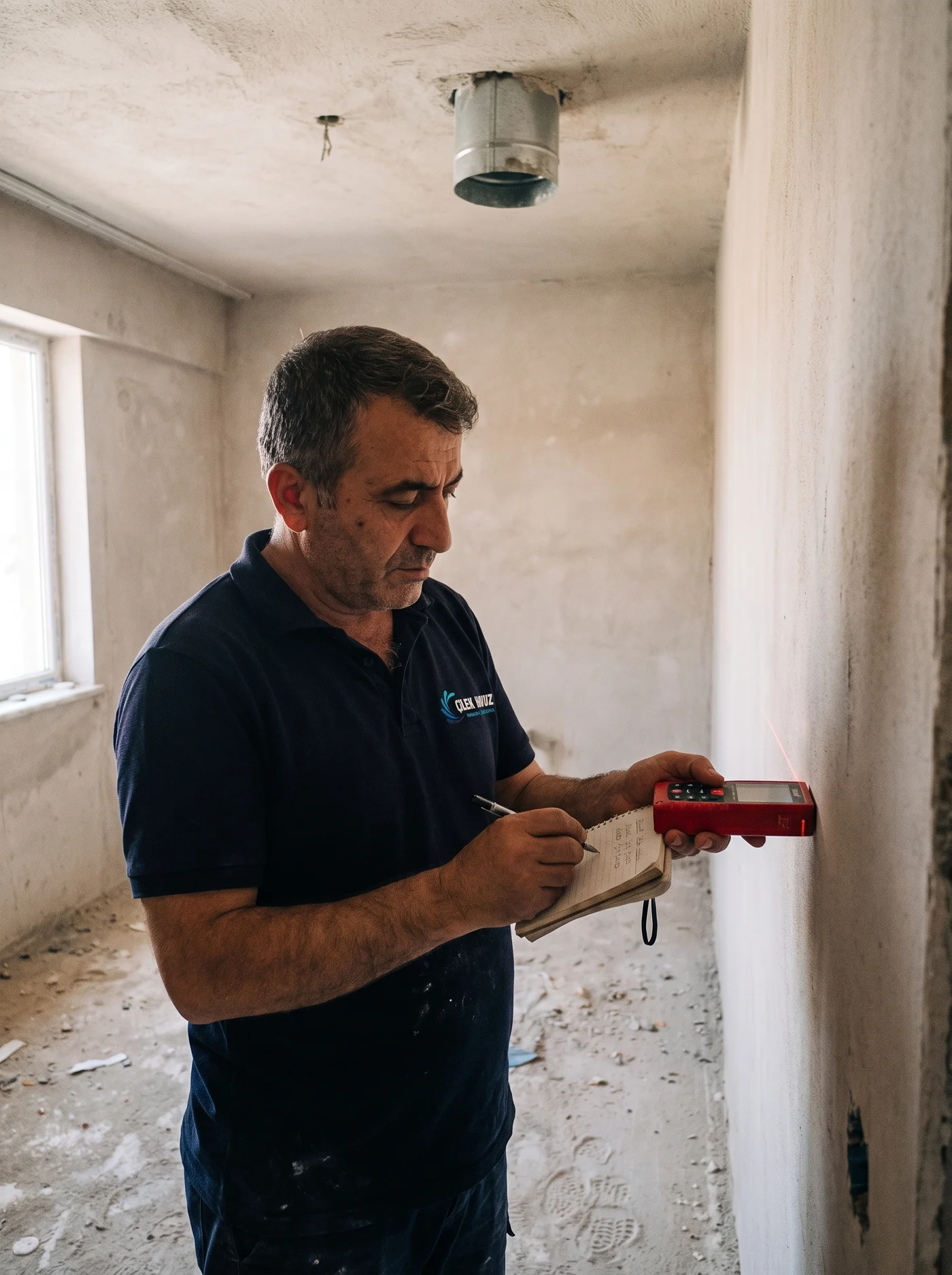
A salt room calls for the exact opposite of a steam room: a dry volume. At the survey, the moisture profile of the space is examined alongside its dimensions and ceiling height; adjoining wet areas, damp in the floor and condensation on external walls are each checked in turn. Because a salt finish is affected by moisture, how dry the space is becomes the project's first criterion for elimination.
On the same visit the electrical infrastructure, the scope for a ventilation duct and service access for the halogenerator are settled. The intended use — home, hotel spa or health facility — shapes the class of device and the layout from the outset.
- Area dimensions and ceiling height
- Moisture measurement in walls and floor
- Check of adjoining wet areas
- Electrical supply and panel condition
- Ventilation duct route
- Halogenerator service access
- Intended use (home / hotel / health facility)
- Preliminary budget frame
Why it matters
The number one enemy of a salt room is the moisture already present in the space before it. In a room to be built on a pool floor or in a basement, if that risk is not resolved at the survey no device can make it good afterwards.
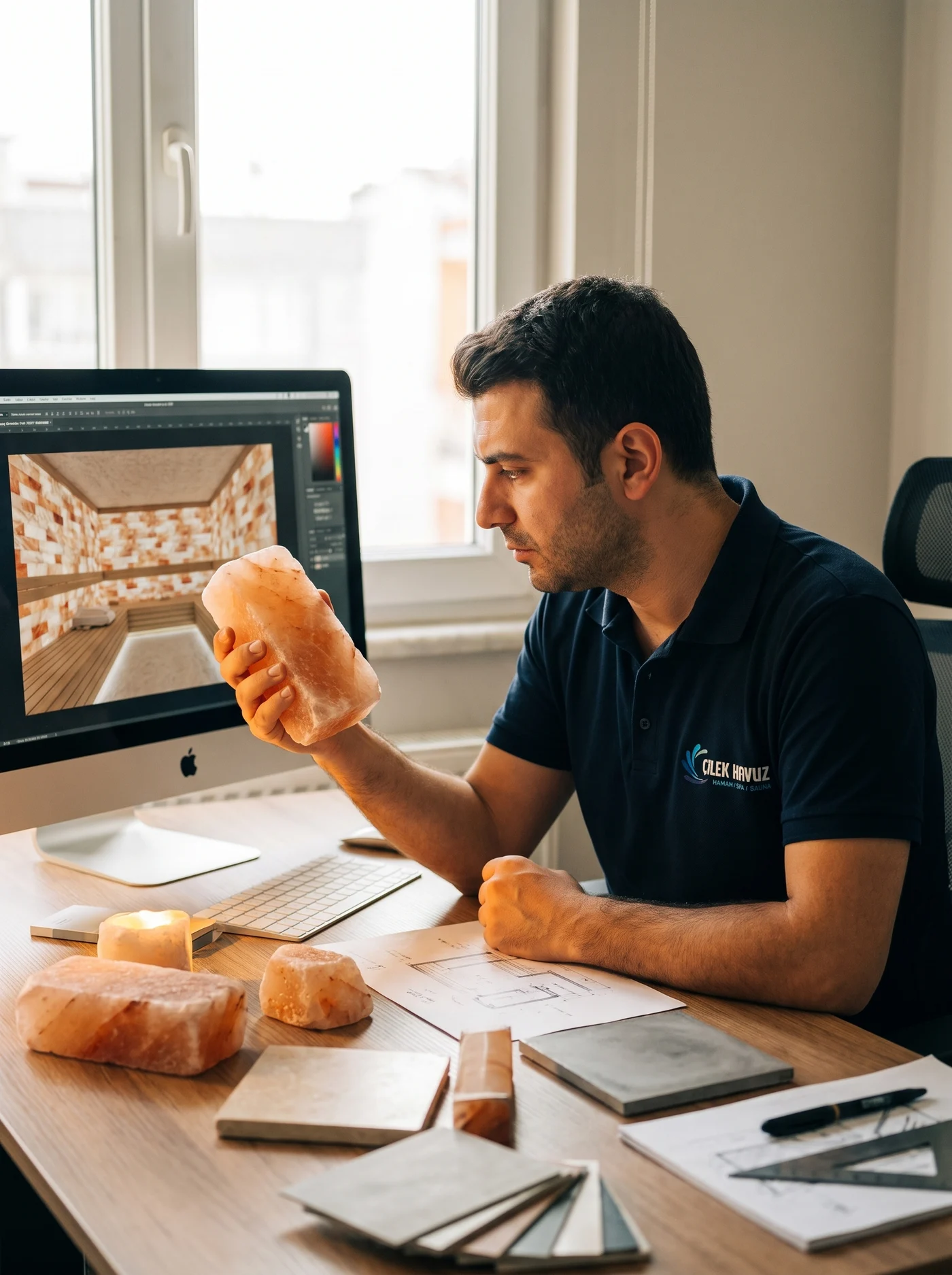
Salt room design proceeds on two layers: the salt wall, loungers and lighting that meet the eye, and the microclimate target that does not. The systems that will hold the room in a band of 20–24 °C and 40–60% relative humidity are engineered at this stage, according to the volume.
The lounger and seating arrangement is drawn around the session scenario; from family rooms with children to spa volumes for several people, the layout is presented as a 3D visual. The composition of the salt wall — brick, render and granulate zones — is settled in that drawing.
- Microclimate target (temperature and humidity band)
- Salt wall composition (brick / render / granulate)
- Lounger and seating layout
- Limits of the floor salt spread
- Amber lighting scenario
- Halogenerator position and outlet direction
- Sound insulation and music infrastructure
- 3D visualisation and design approval
Climate first, aesthetics second
In a room where the humidity band cannot be held, even the most striking salt wall sweats and yellows within a few seasons. That is why we begin the drawing with the climate calculation rather than the brickwork.
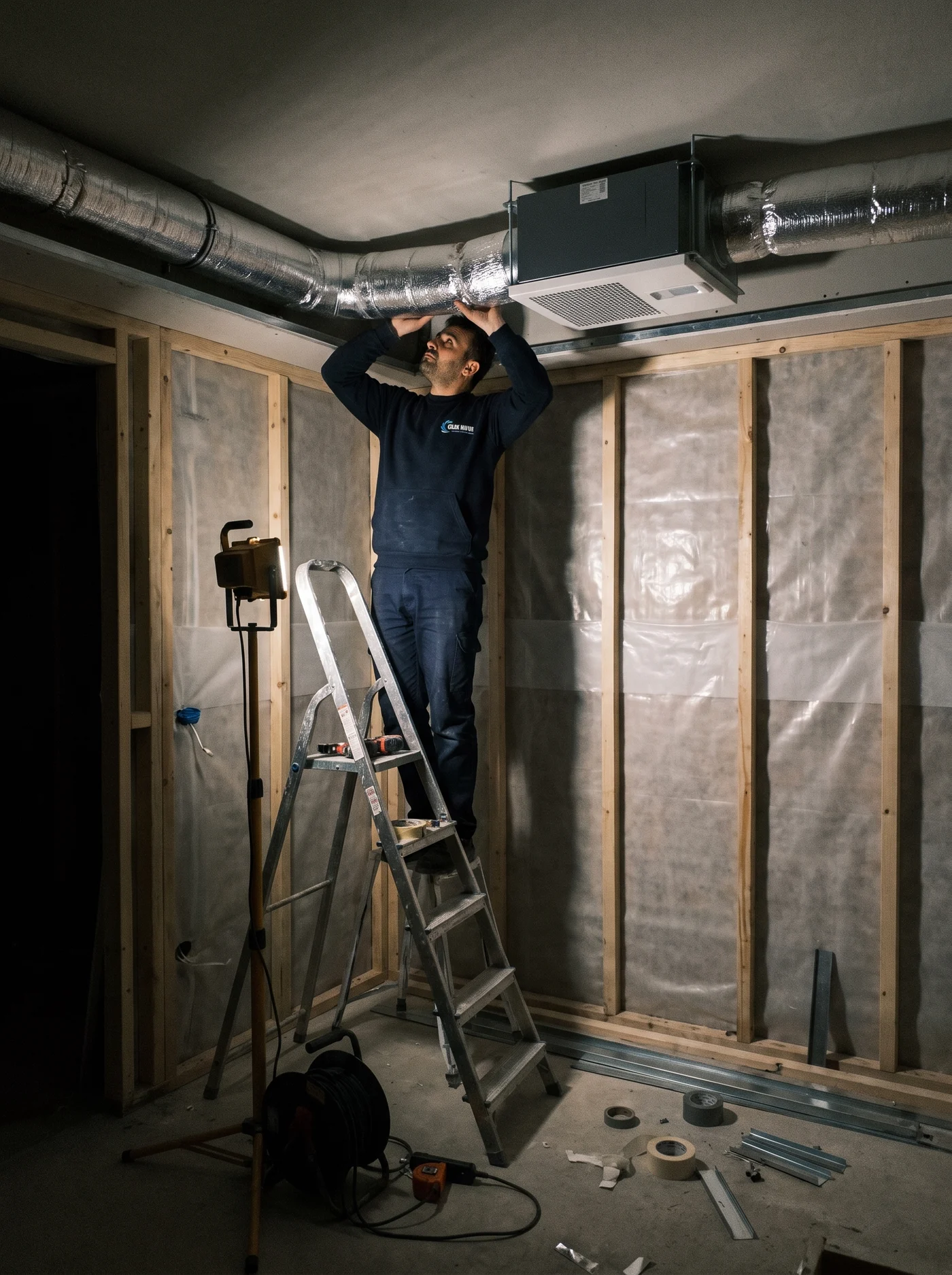
Salt is hygroscopic; it draws moisture from the air. If relative humidity runs above 60%, the wall surface first sweats and then begins to lose its form. Air conditioning is therefore the item in a salt room that is not open to negotiation: dehumidification capacity is calculated on the volume of the room and how often it is used.
Ventilation performs a double duty: during a session it helps the dry salt aerosol distribute evenly, and between sessions it refreshes the air in the room. Ducts and grilles are installed before the salt wall is closed up.
- Dehumidifier capacity calculation
- Temperature control (heating / cooling)
- Fresh air and exhaust ducts
- Grille positions and air pattern
- Corrosion-resistant ducts and fittings
- Separately fused electrical circuit
- Humidity and temperature sensor points
- Photographic documentation of the infrastructure
Moisture is salt's only rival
Almost every complaint that arises later in a salt room comes from a shortfall in air conditioning: a sweating wall, a caking floor. We install the system before the wall; the other way round means taking the wall down and building it again.
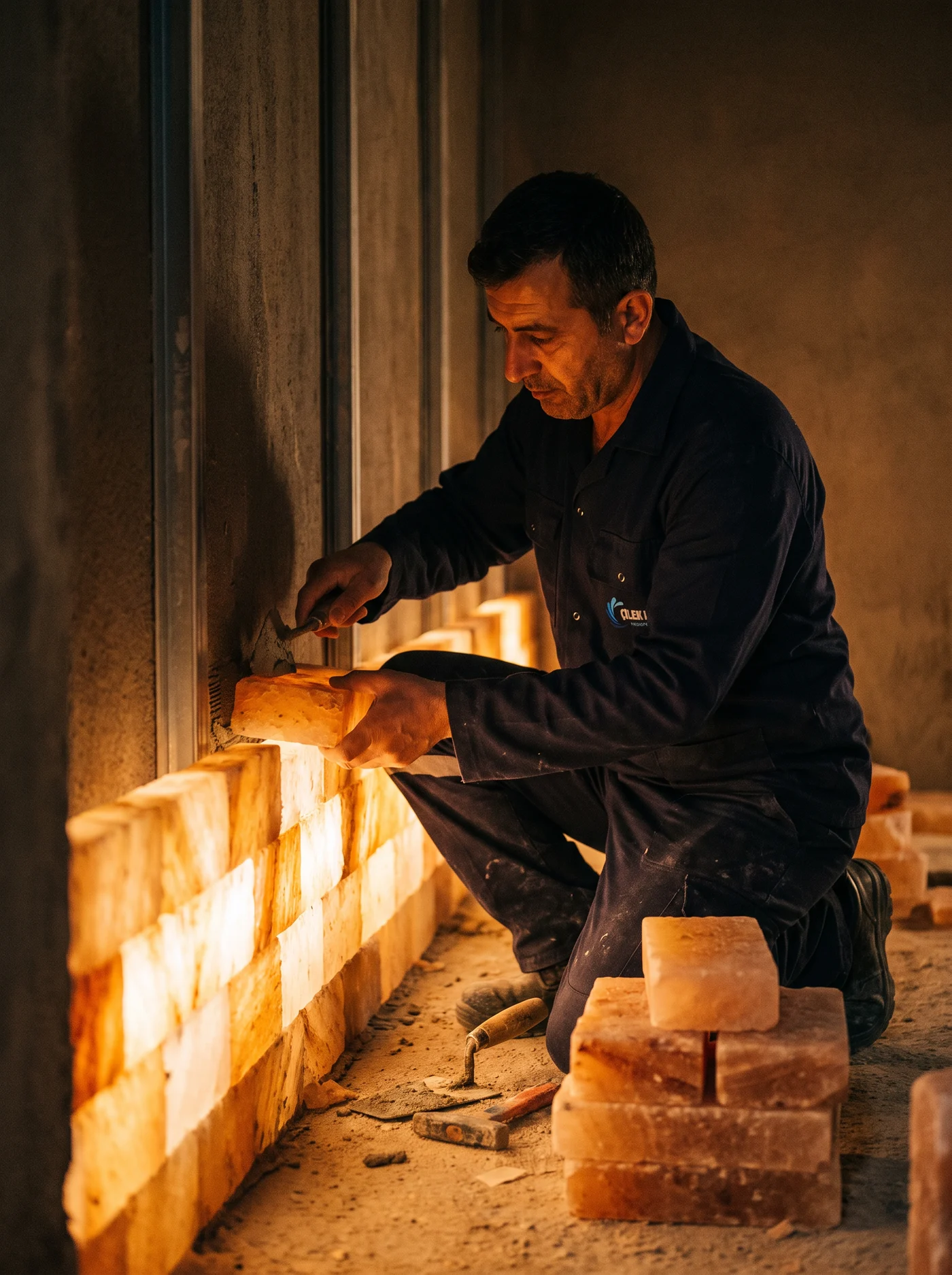
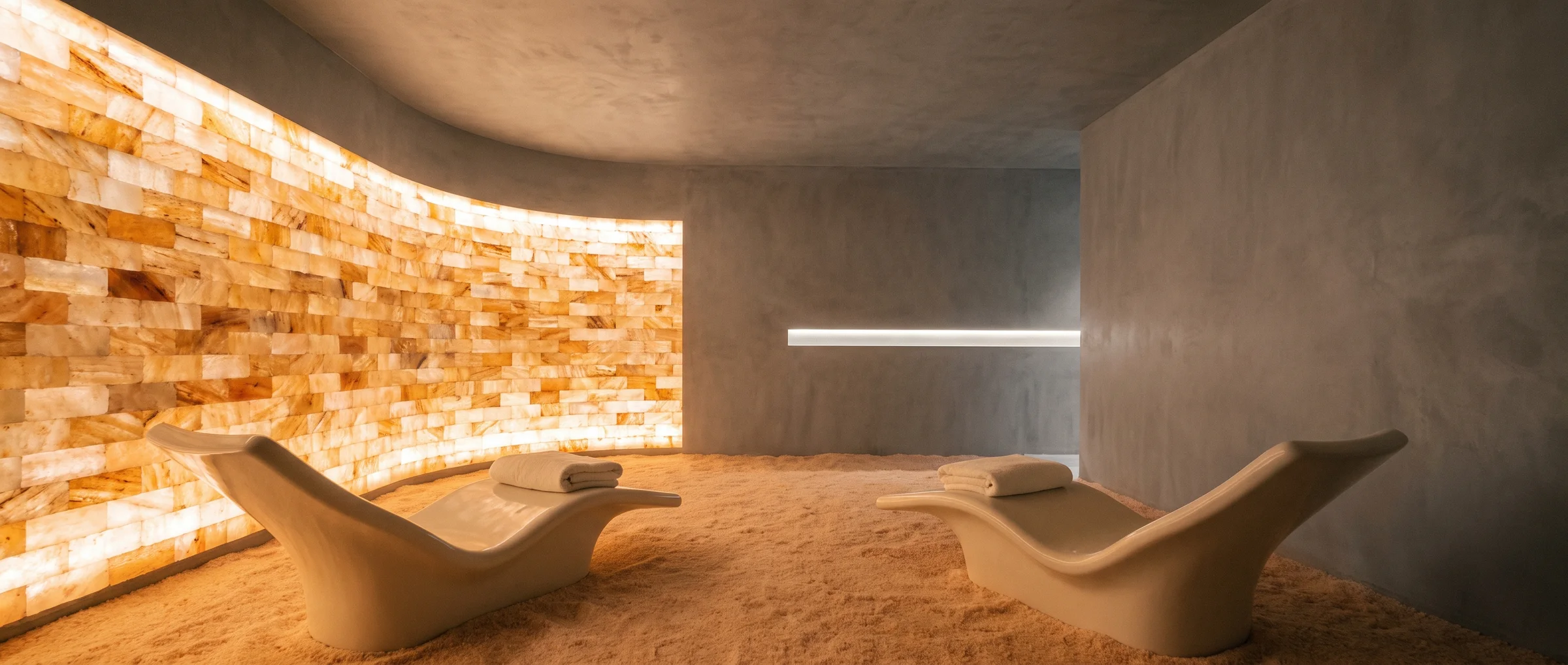
We use three techniques on the wall: salt brickwork suited to back-lighting, hand-worked salt render, and a granulate rock salt finish. Bricks are laid on a load-bearing structure with a special adhesive, with the joint pattern planned around the passage of light; render, meanwhile, is applied to the wall layer by layer to a thickness of a few centimetres.
Washed, coarse-grained rock salt is spread across the floor; walked on barefoot, this layer sets both the texture and the acoustics of the room. Depending on the project, white Çankırı rock salt and pink Himalayan salt are used on their own or together.
- Erecting the load-bearing structure
- Salt brickwork and joint pattern
- Layered application of the salt render
- Granulate finish zones
- Floor salt spread
- Çankırı / Himalayan salt selection
- Skirting and door threshold detail
- Surface check and dry cleaning
Craftsmanship shows in the light
Salt brick is a natural material; every block carries a different vein. The way the craftsman arranges the bricks by colour and by the direction of the veining reveals itself when the amber light strikes from behind.
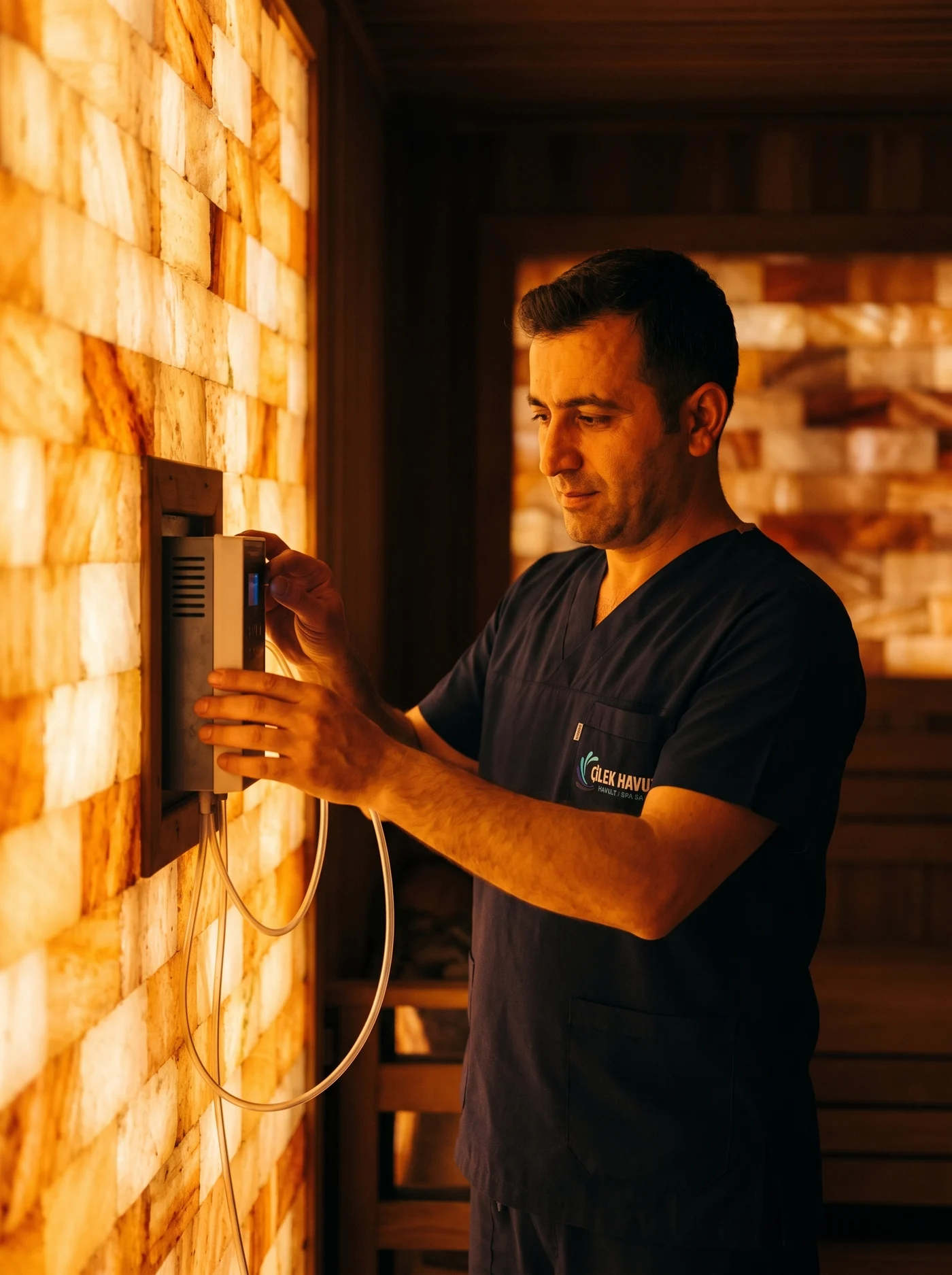
The halogenerator grinds refined dry salt to micron size and releases it into the room as a breathable dry salt aerosol. The salt wall sets up the atmosphere; it is this device that actually runs the system. Capacity is selected on the volume of the room, and the position of the outlet is marked on the design for even distribution.
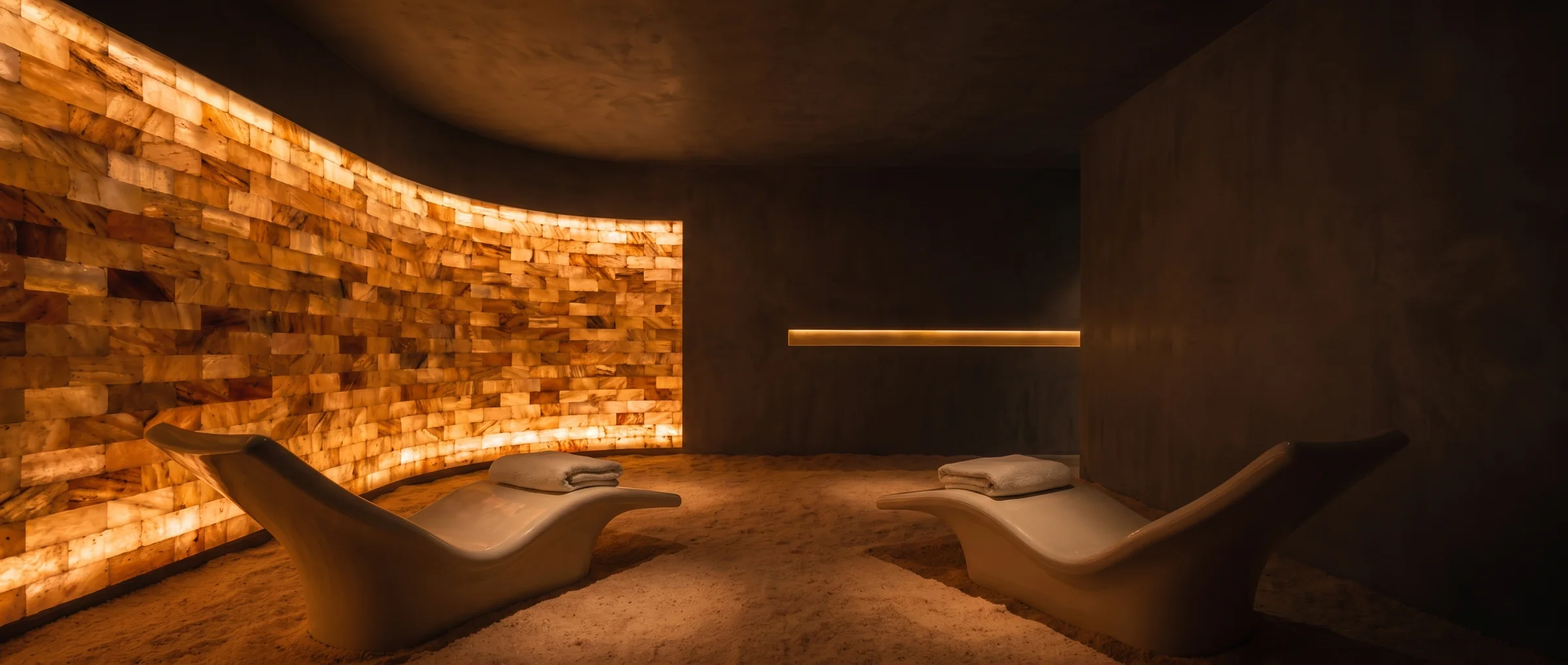
We build the lighting with amber LED runs filtering from behind the brick; the veined texture of the salt passes the light through, and the room takes its light from its own wall. No fitting that glares at eye level is used.
- Halogenerator selection for the volume
- Device recess and service access
- Position of the outlet
- Amber LED runs behind the brick
- Protecting transformers and drivers from moisture
- Control panel and session programme
- Sound system (option)
- Lighting scene and distribution test
The wall is decoration, the device is function
A salt finish on its own offers a passive environment; what turns the room into an active halotherapy system is the halogenerator producing dry salt aerosol in measured amounts. A salt room without the device is like a sauna without a heater.
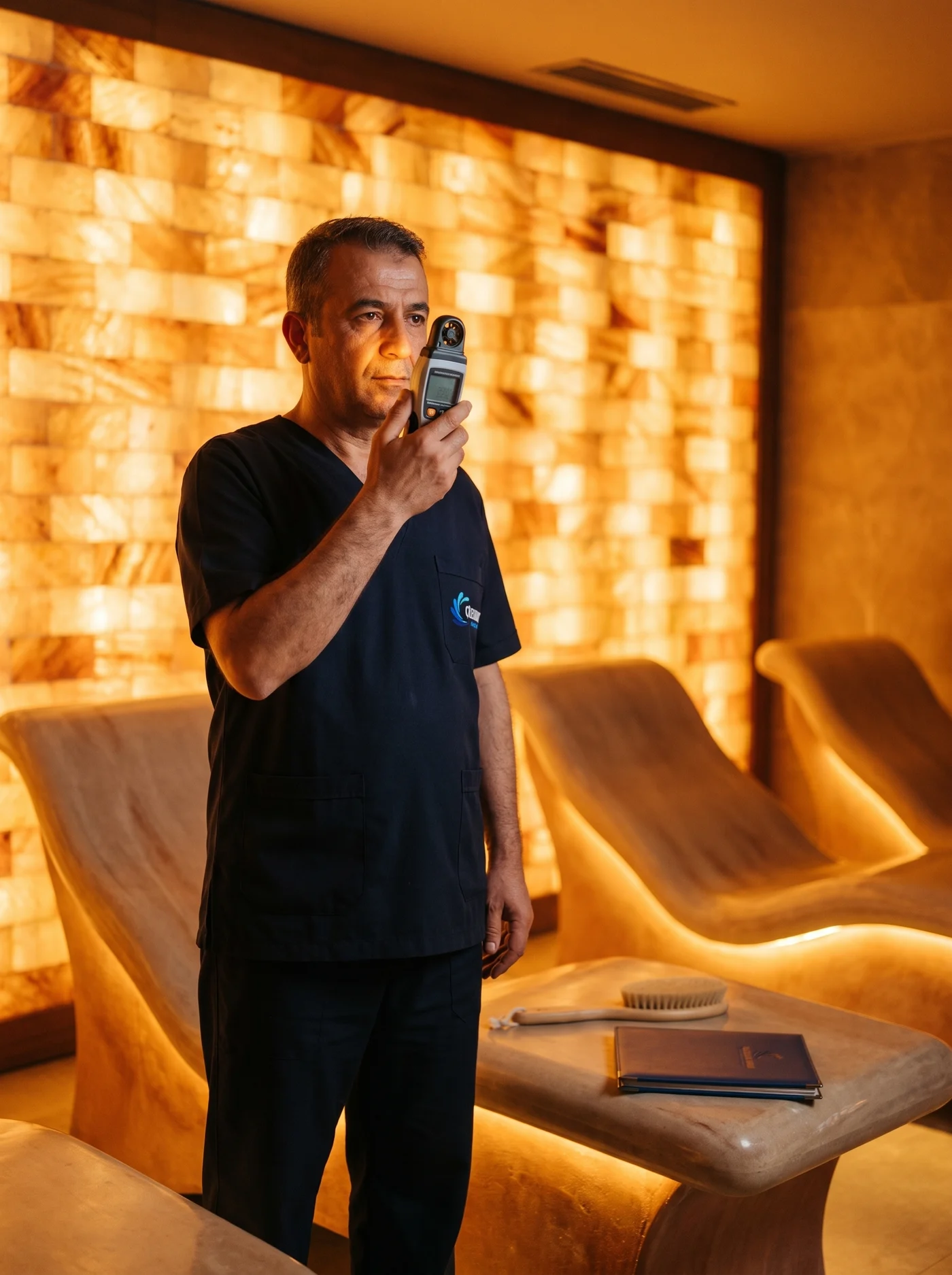
At commissioning, humidity and temperature readings are monitored over a daily cycle; the balance of the room is measured both while the halogenerator is running and while it is stopped, and the ventilation scenario is tested. We run the first session together and demonstrate the use of the panel on site.
Operating training is given at handover: the rhythm of session and ventilation, the quality of the salt to be put into the device hopper, the interval for refreshing the floor salt and the cleaning rules. A salt room is never cleaned wet; that single rule alone sets the life of the finish.
- Humidity and temperature cycle test
- Aerosol distribution check
- Ventilation scenario test
- Lighting and sound scenes
- Operating and session training
- Dry cleaning guide
- Floor salt refreshing plan
- Warranty and handover record
It lives as long as it stays dry
A correctly conditioned salt room needs little maintenance: the device hopper, the filters and periodic refreshing of the floor. Çilek Havuz stays with you after handover as well, with periodic checks.
In their own words,their own stories
From corporate facilities to villa projects — short story videos from the names who trusted us.
 Delivered with confidenceMinistry of National Defence
 Thermal comfortTenzile Erdoğan Thermal Hotel
 Dreams came trueMehmet Sevigen
 The garden's new heartHakan Gönen
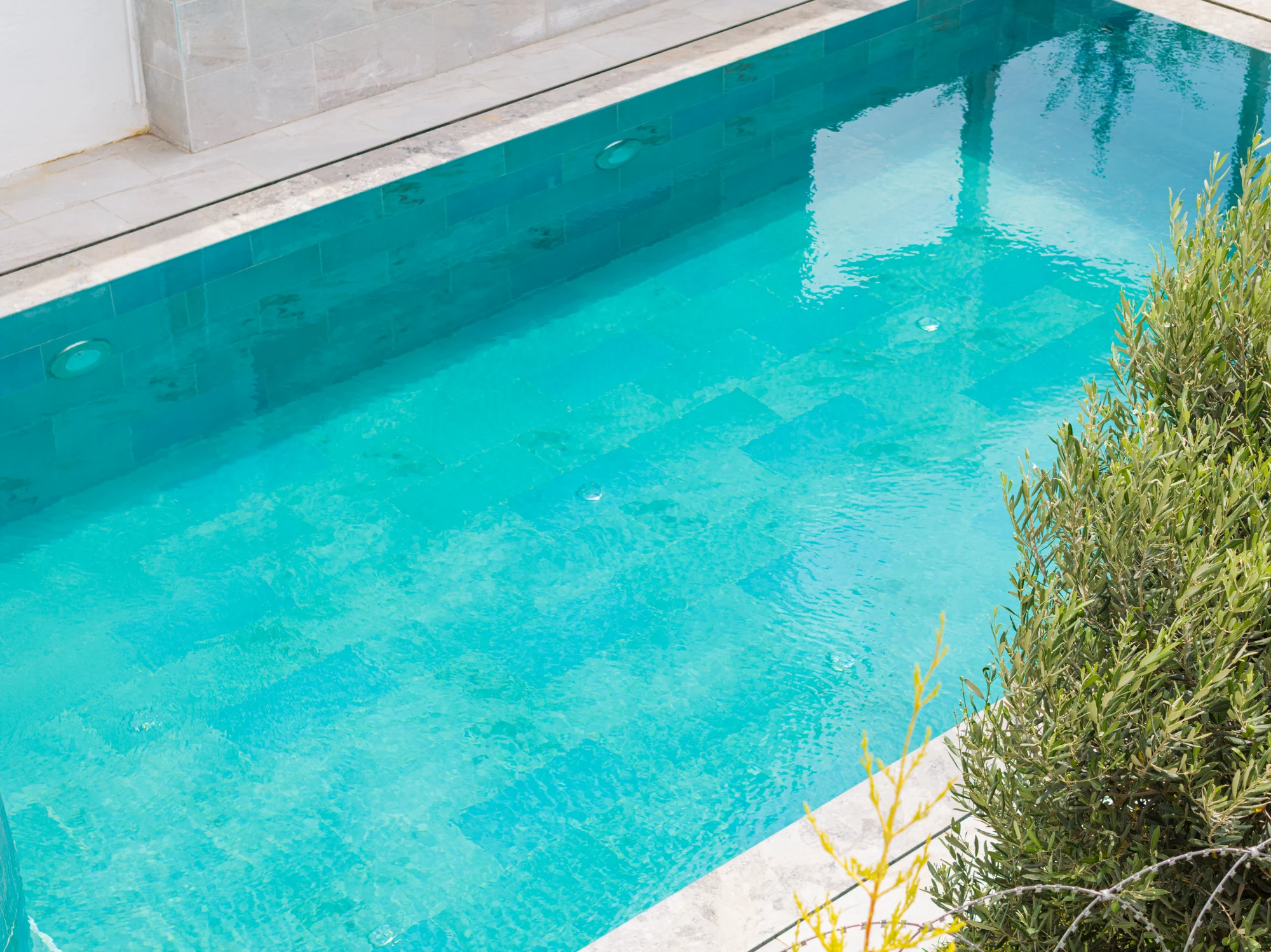
 Holiday at homeÇetin Uğurlu
Company & Contact
To talk about your project, we are one call away.
Legal Name
Çilek Havuz
Founded
1998 · Istanbul
Head Office
Çilek Plaza, Eyüp Sultan Mah. Yakacık Cd. Feshane Cd. No: 2 D:4 D:1, 34885 Sancaktepe / İstanbul
Service Area
All of Türkiye · exports to 14 countries
Portfolio ·
A selection of pool and spa projects we have brought to life all across Türkiye.
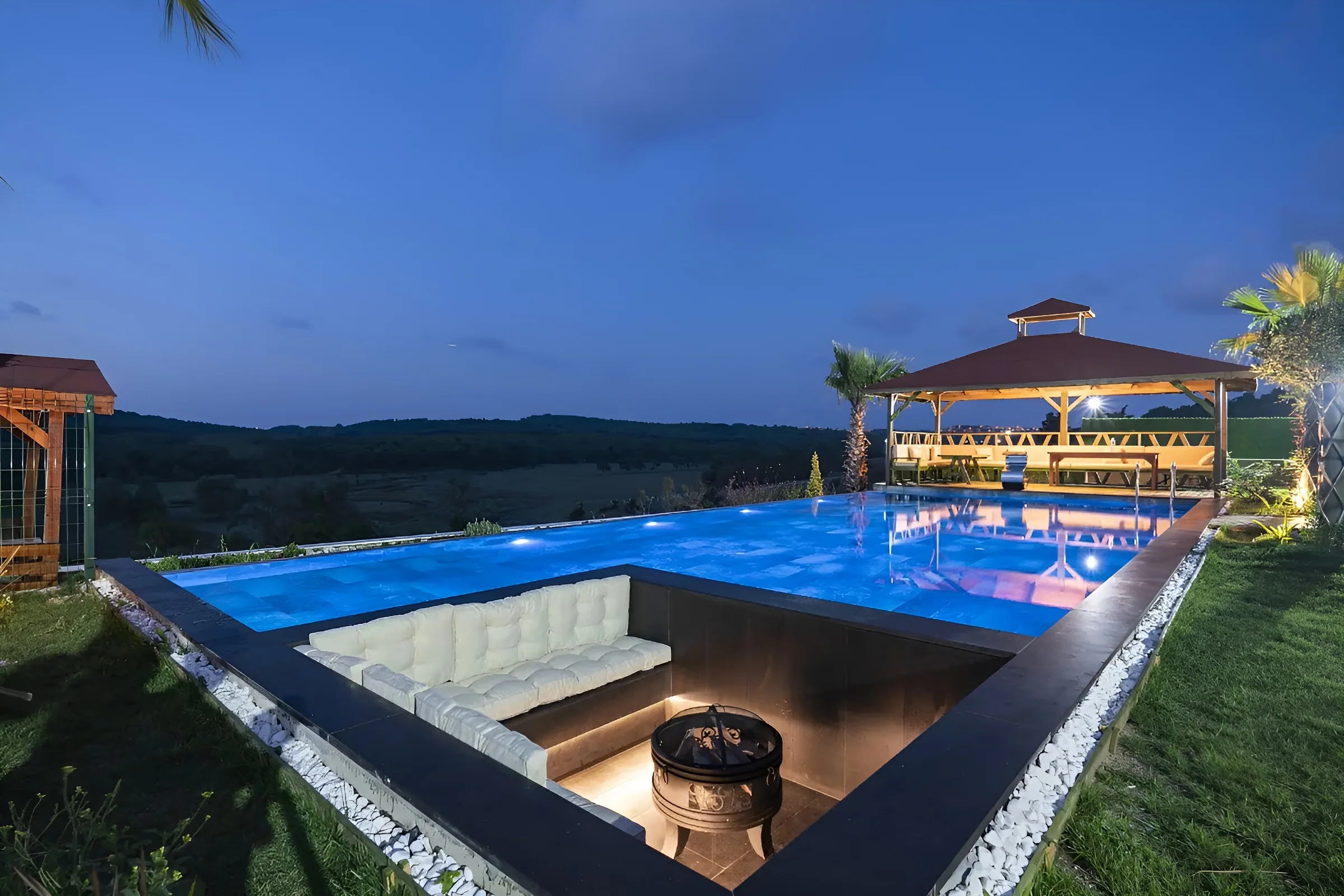
 Villa
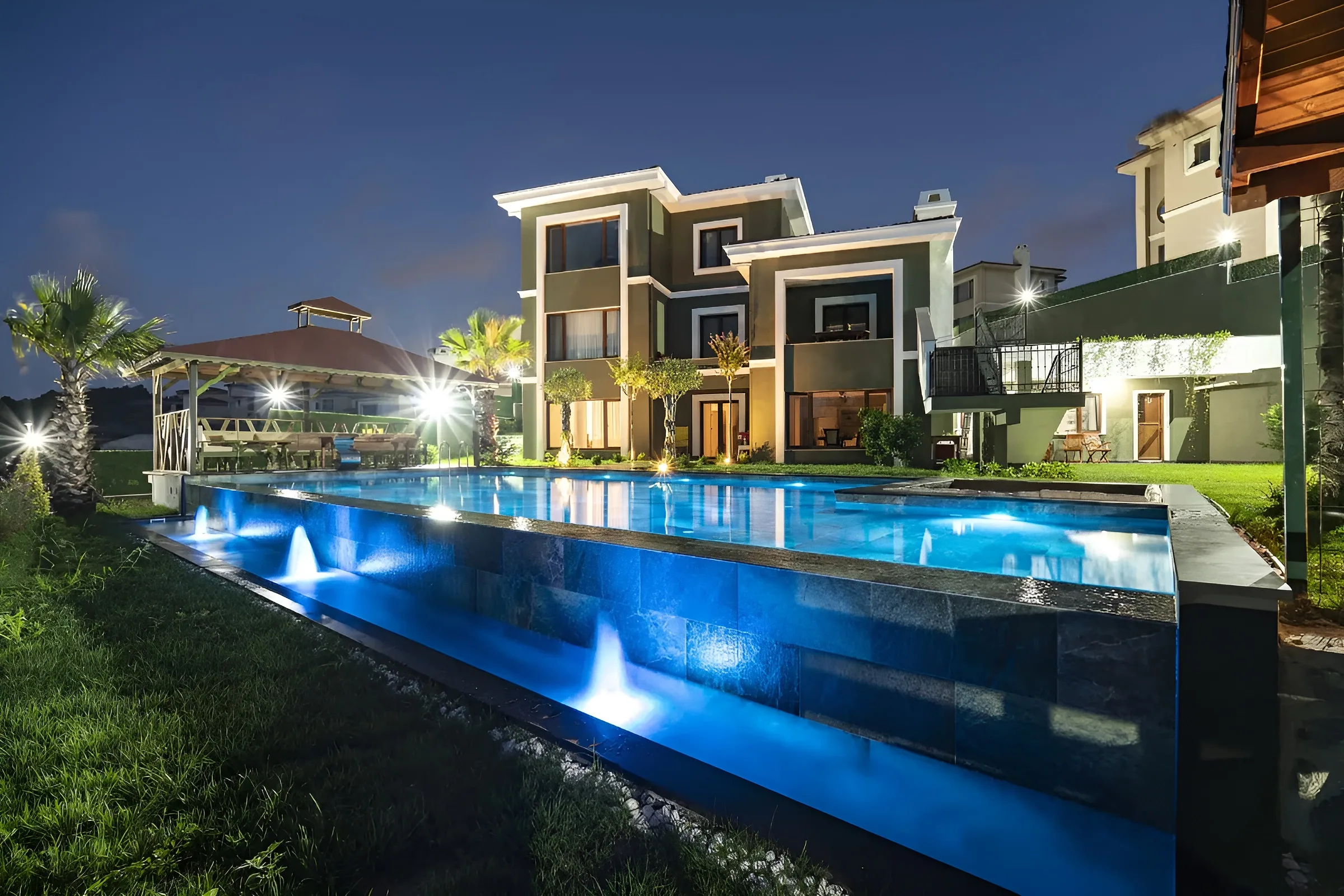
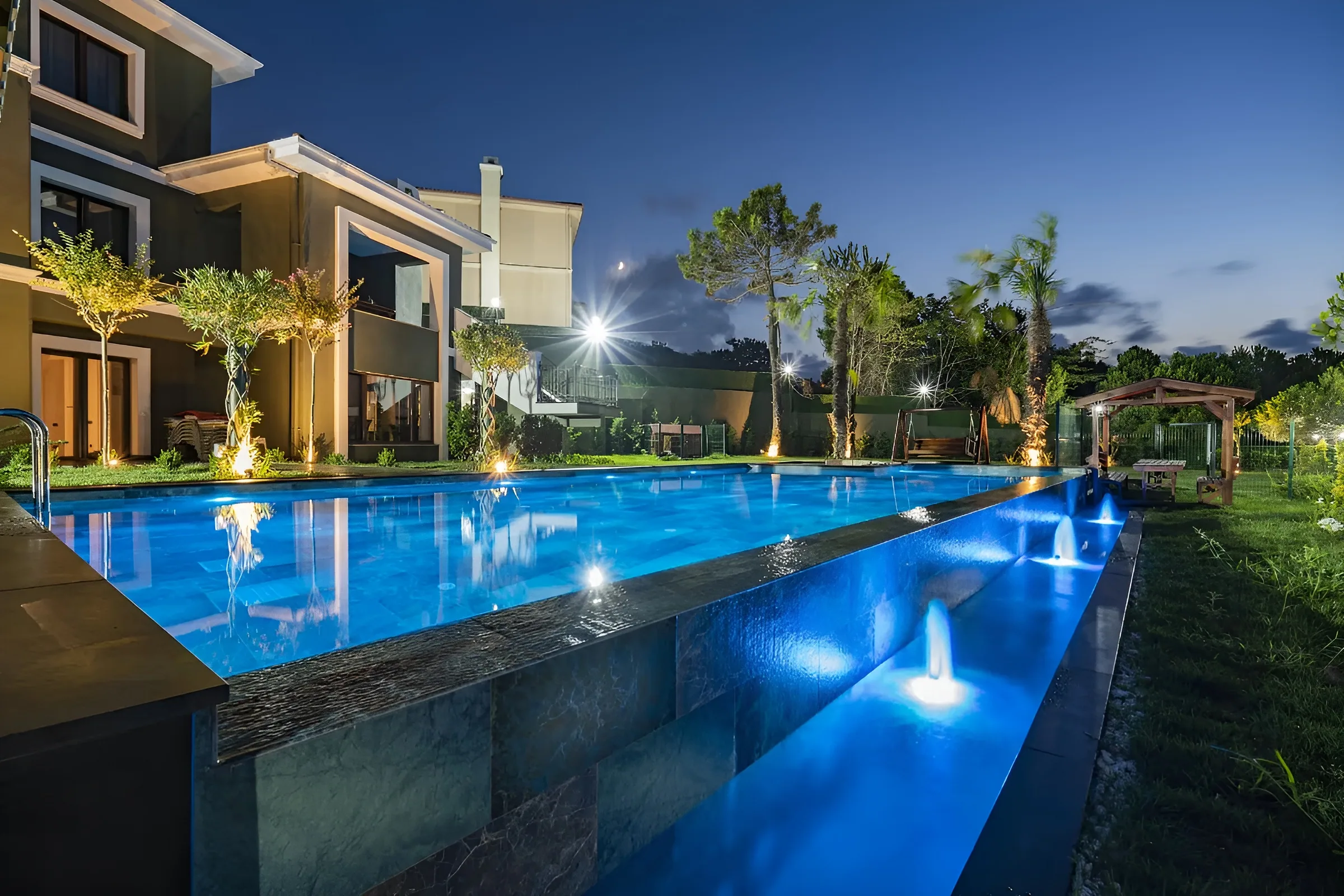
VillaMehmet Sevigen · Çatalca Infinity Pool
A 12×6 m reinforced-concrete infinity pool completed in Çatalca, Istanbul, in 2025.
- Location
- Çatalca / İstanbul
- Completion
- 2025
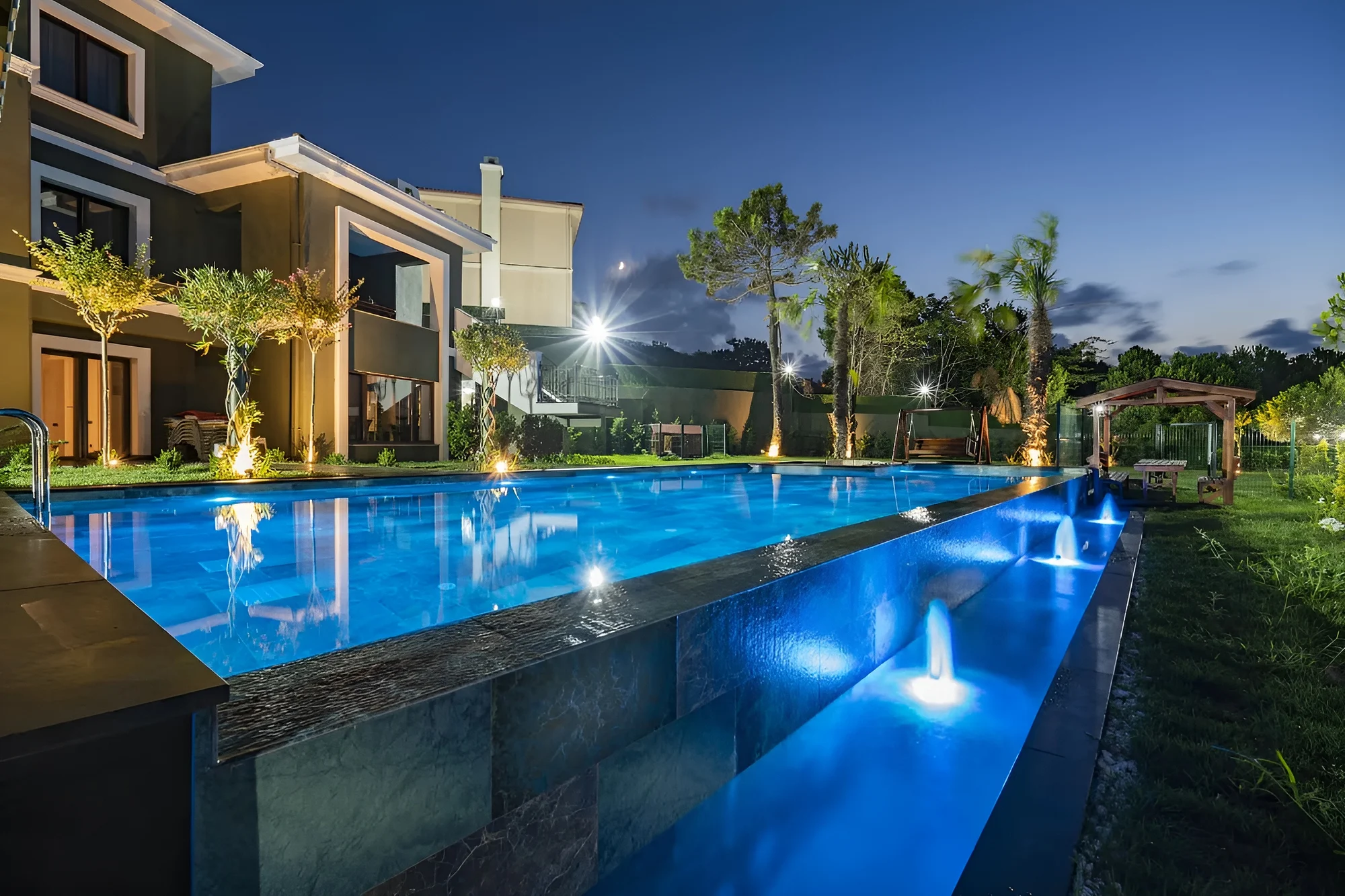
 Villa
VillaHakan Gönen · Hadımköy Hidden-Overflow Pool
An 11×6 m hidden-overflow concrete pool completed in Hadımköy, Istanbul, in 2024.
- Location
- Hadımköy / İstanbul
- Completion
- 2024
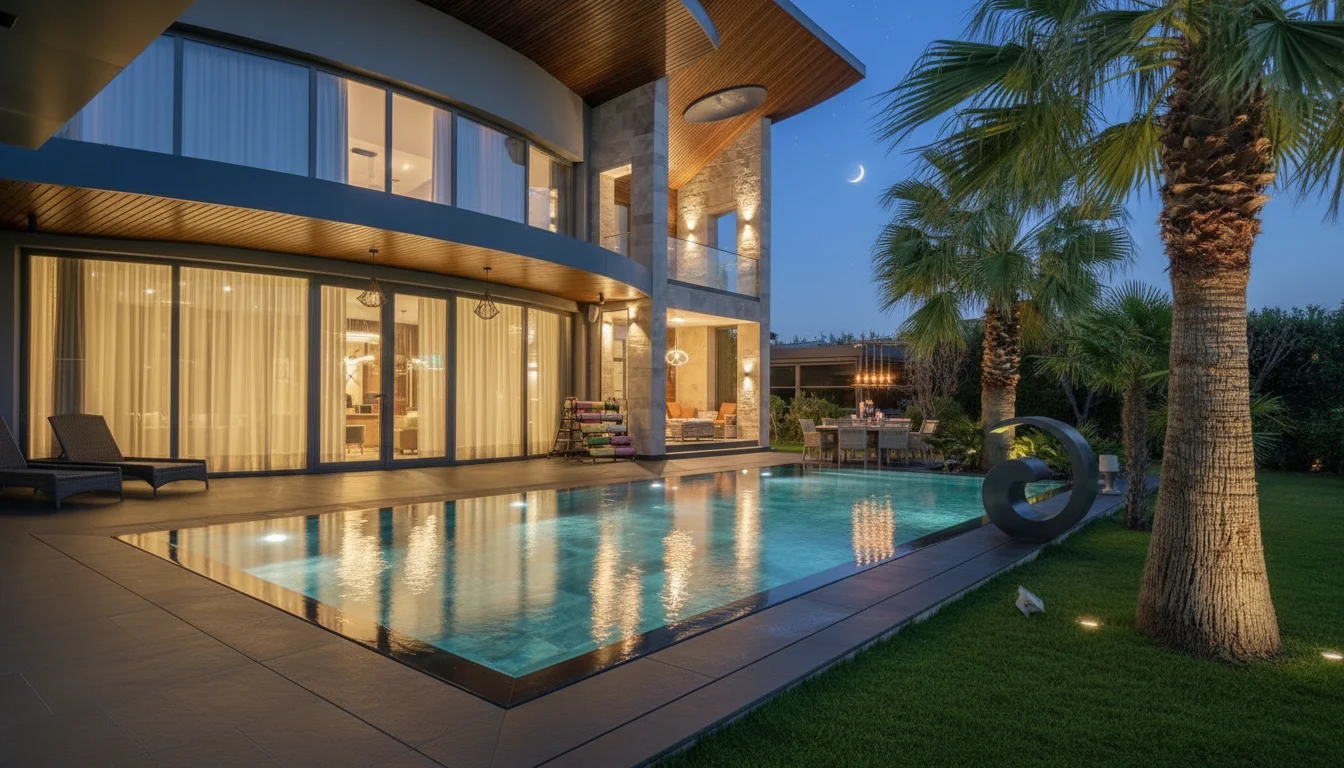
 Villa
VillaZeynep Mayadağlı · Silivri Hidden-Overflow Pool
A 5×10 m hidden-overflow concrete swimming pool completed in Silivri, Istanbul, in 2024.
- Location
- Silivri / İstanbul
- Completion
- 2024
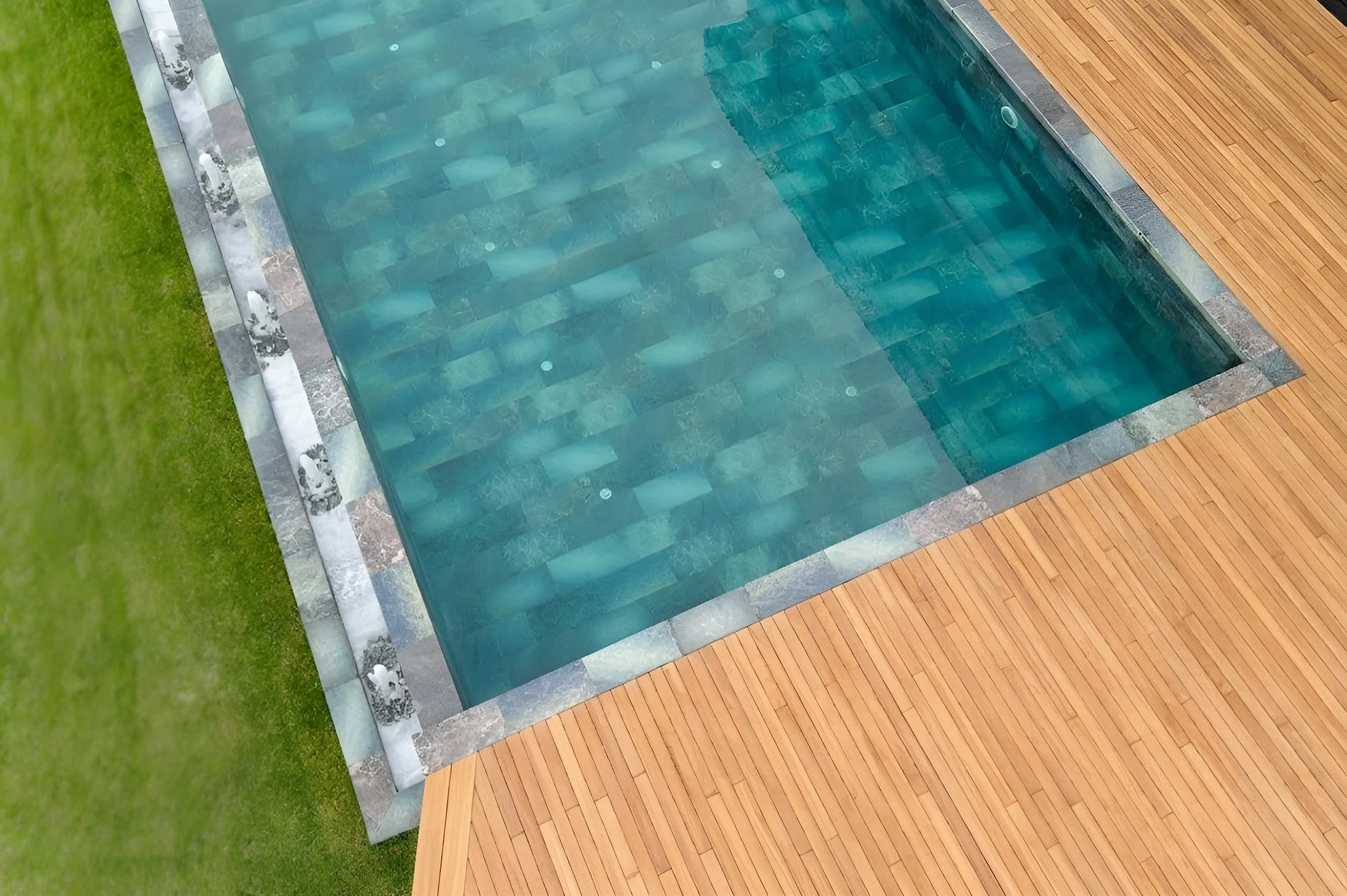 Villa
VillaÇetin Uğurlu · Villa Pool
A private villa pool project completed in Istanbul.
- Location
- İstanbul
- Completion
- 2024
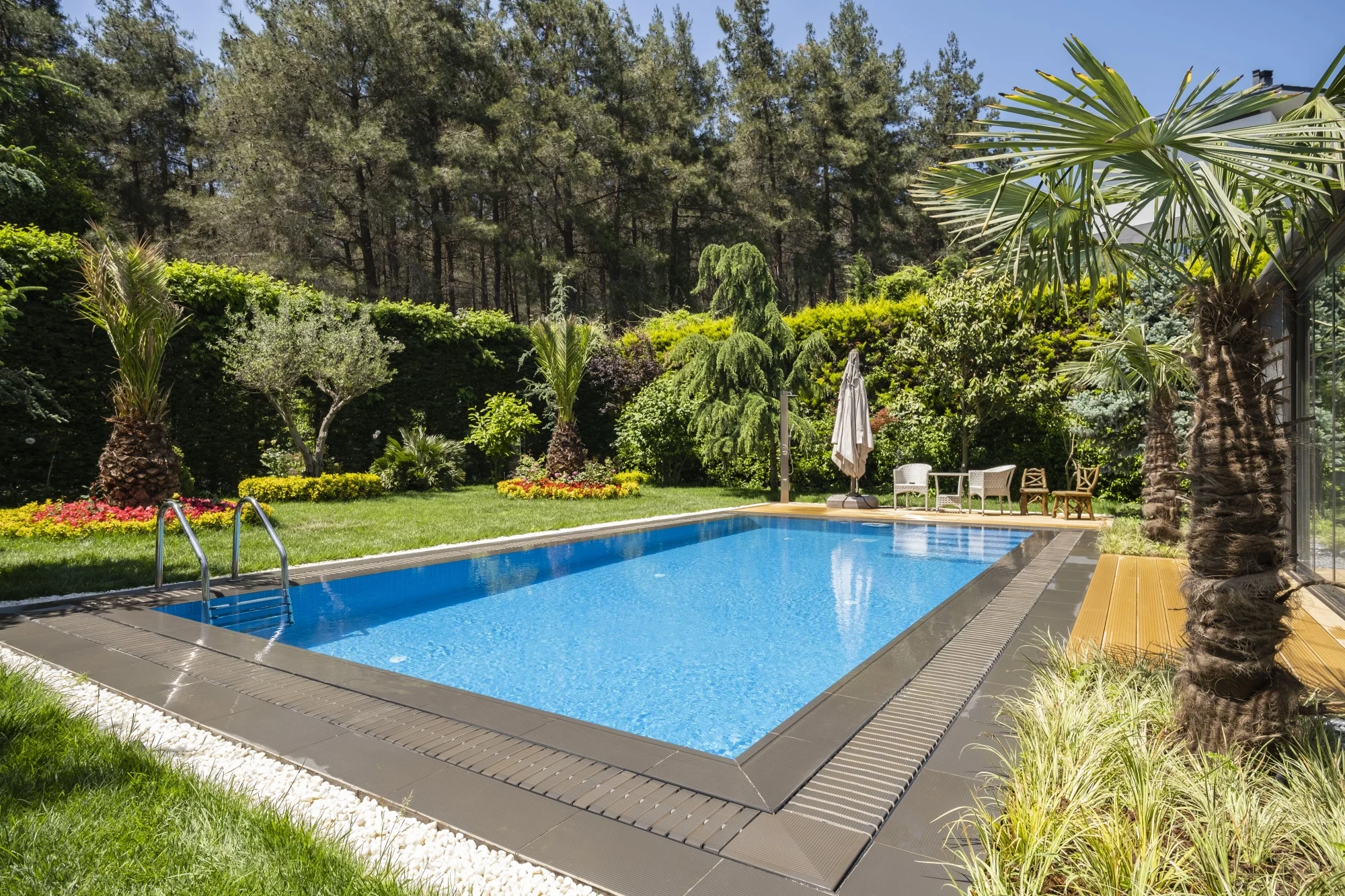 Villa
VillaRıza Latif · Çekmeköy Overflow Pool
An overflow concrete swimming pool completed in Çekmeköy, Istanbul, in 2024.
- Location
- Çekmeköy / İstanbul
- Completion
- 2024
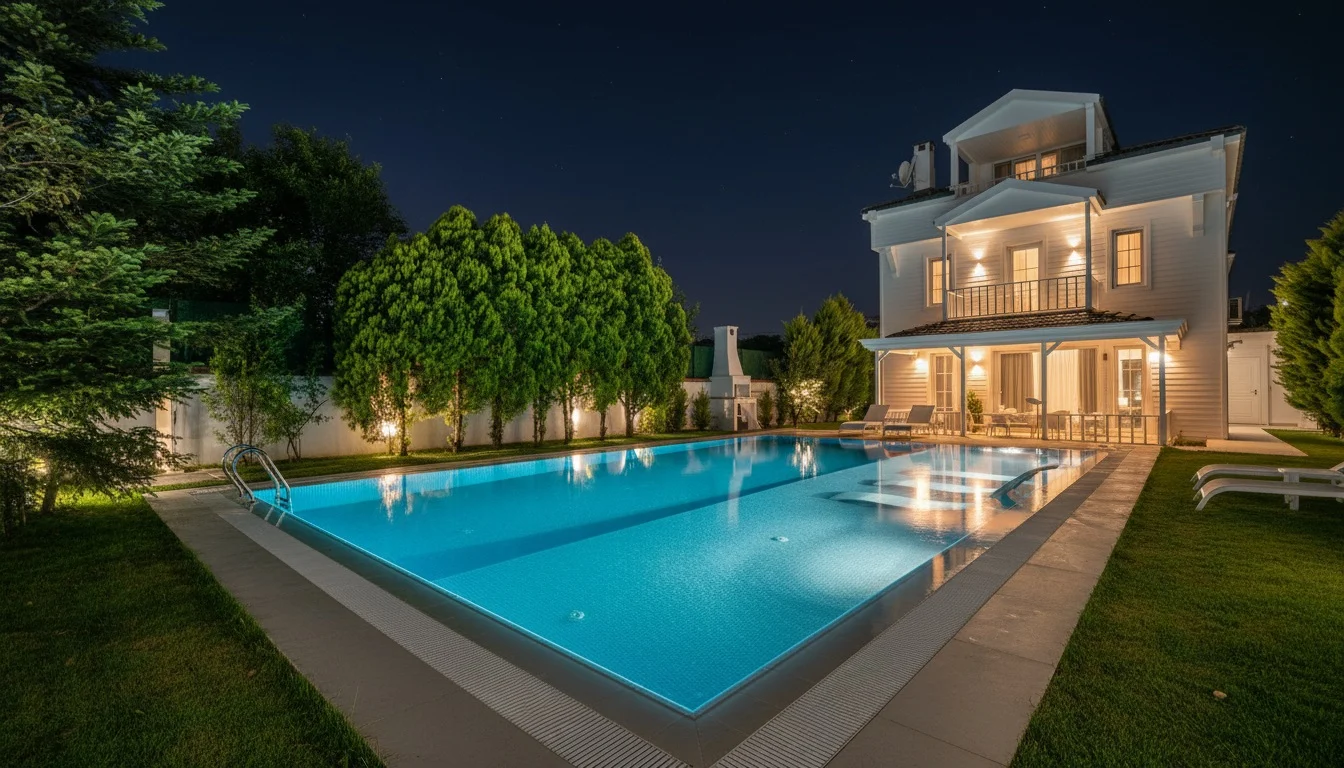 Villa
VillaCihan Kızılkaya · Şile Pool Project
A private villa pool project completed in Şile, Istanbul.
- Location
- Şile / İstanbul
- Completion
- 2024
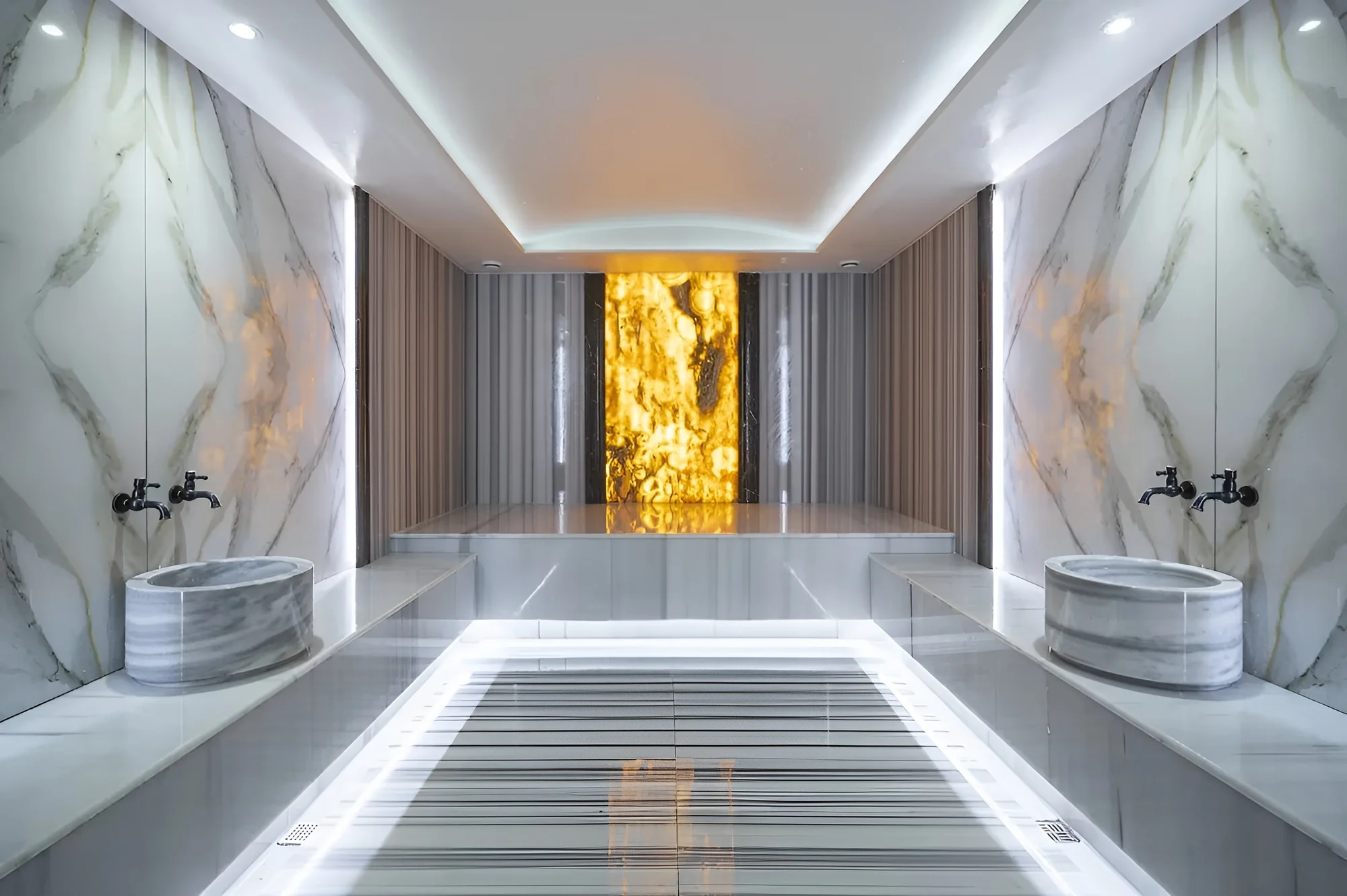 Villa
VillaDilan Polat · Villa Pool
A private villa pool project completed in Istanbul.
- Location
- İstanbul
- Completion
- 2024
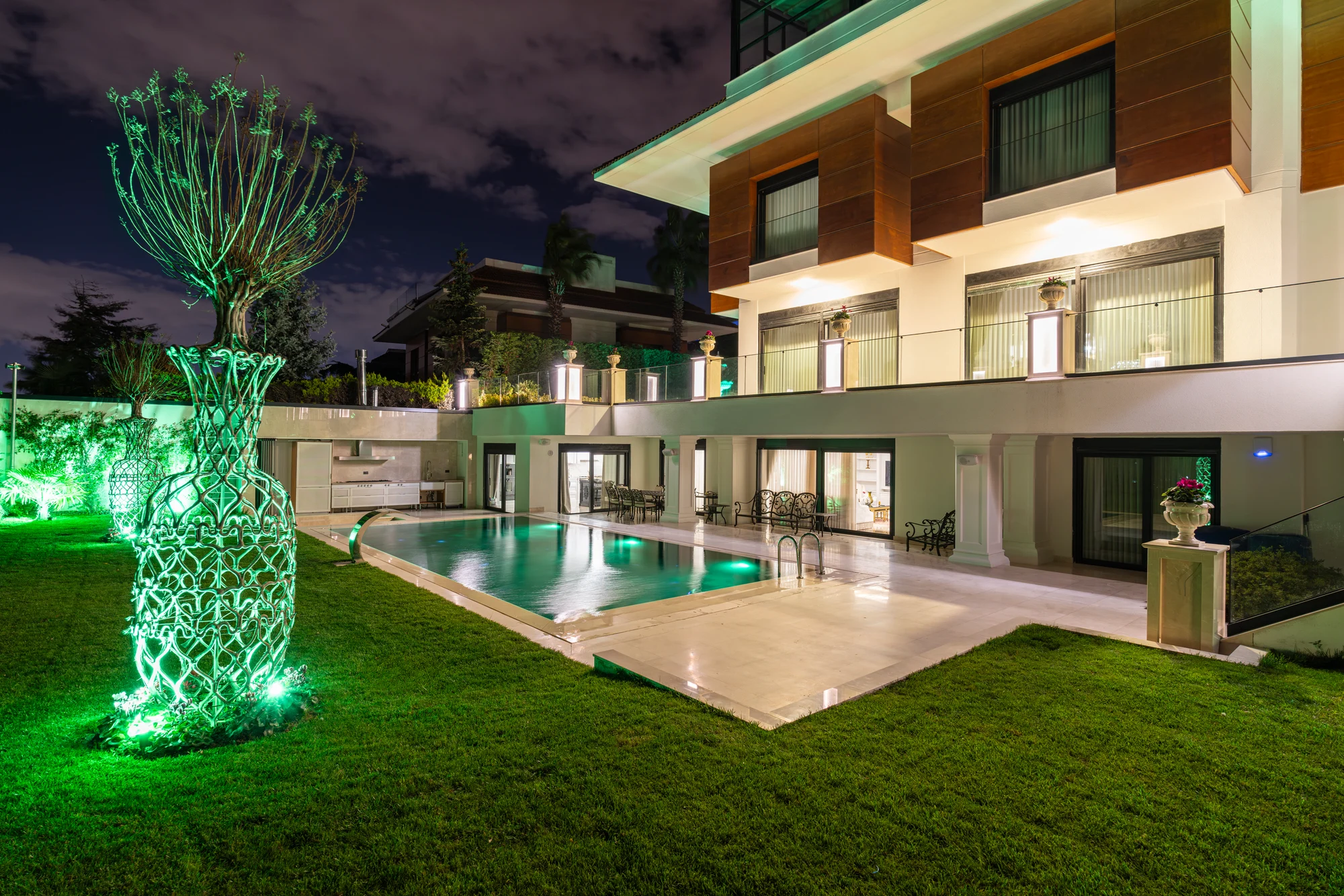 Residence
Efor Holding · Pool Project
A corporate pool project completed for Efor Holding.
- Location
- İstanbul
- Completion
- 2024
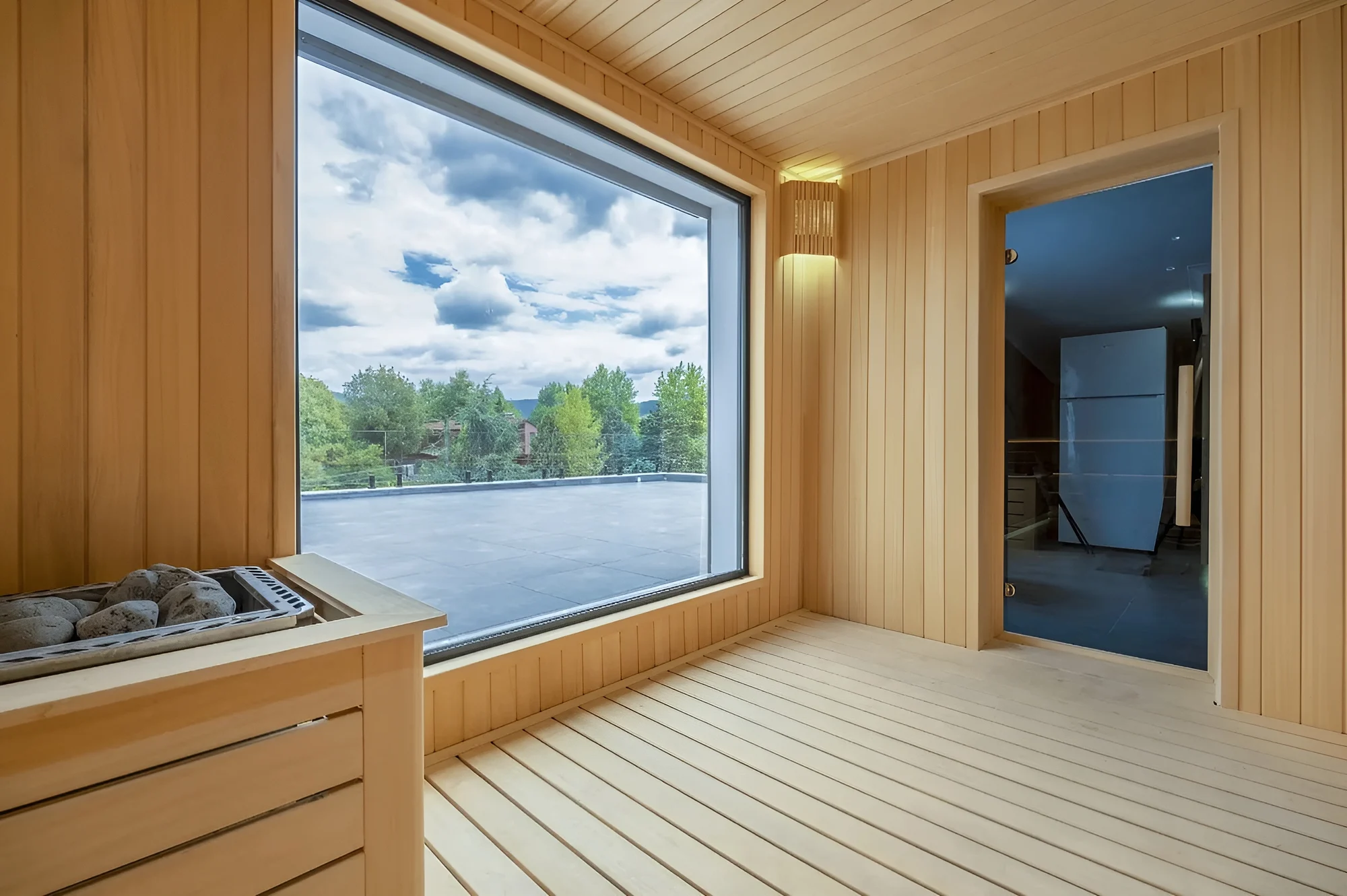 Spa & Wellness
Sinan Türker · Yalova Turkish Hammam & Sauna
A Turkish hammam and sauna wellness project completed in Yalova in 2025.
- Location
- Yalova
- Completion
- 2025
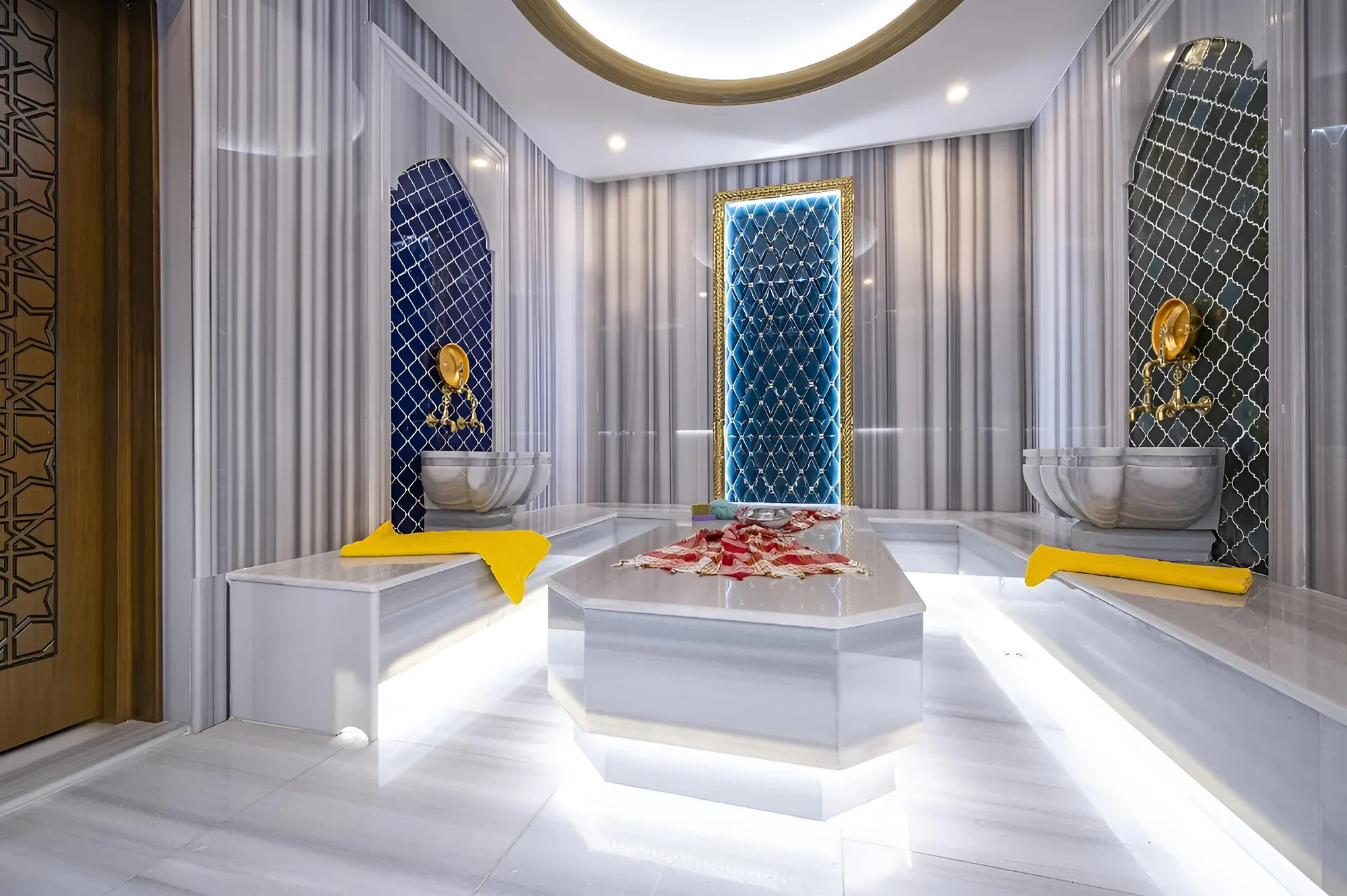 Spa & Wellness
Kudu İnşaat · Yalova Hammam
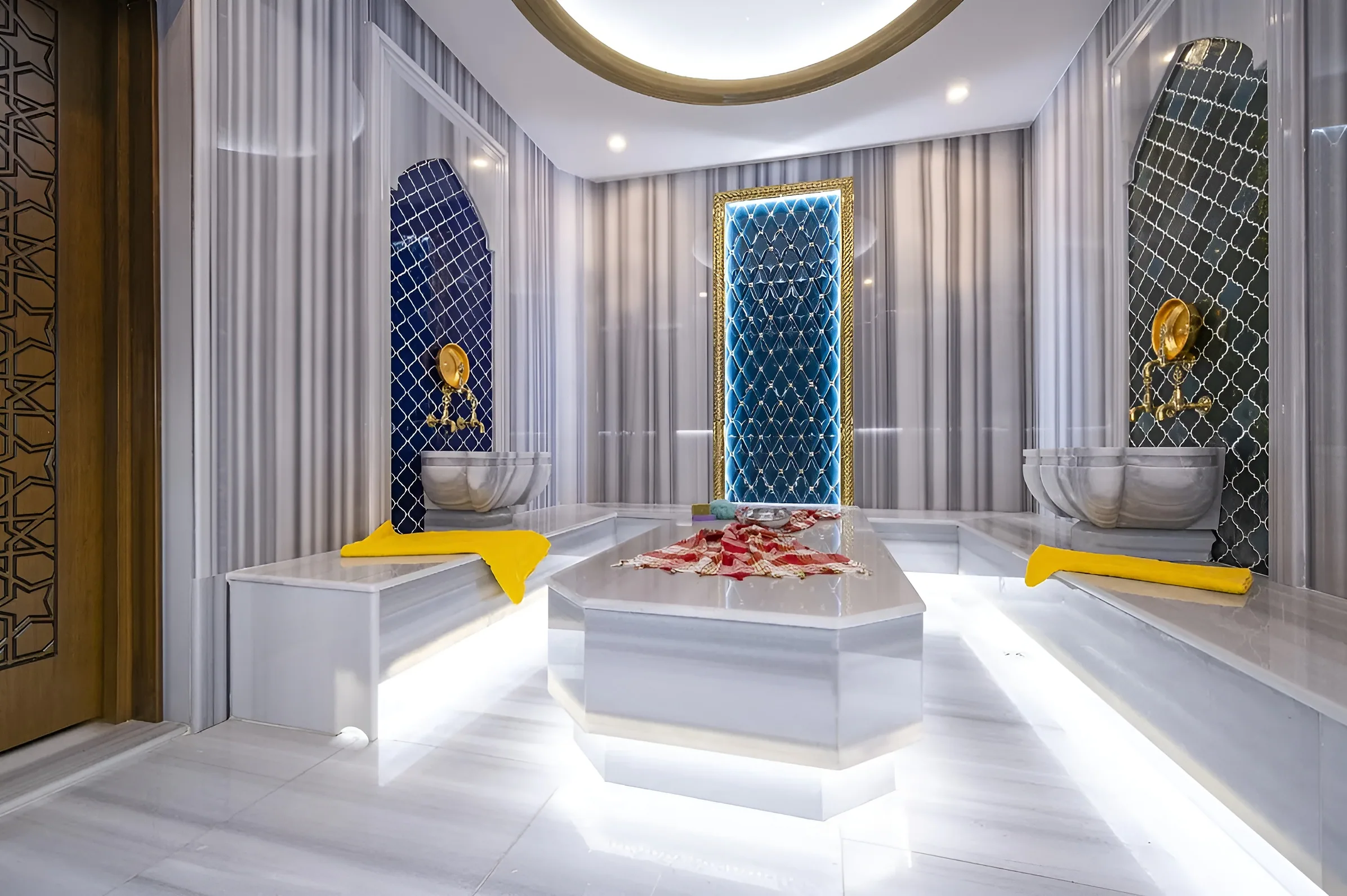
A traditional Turkish hammam completed in Yalova in 2025.
- Location
- Yalova
- Completion
- 2025
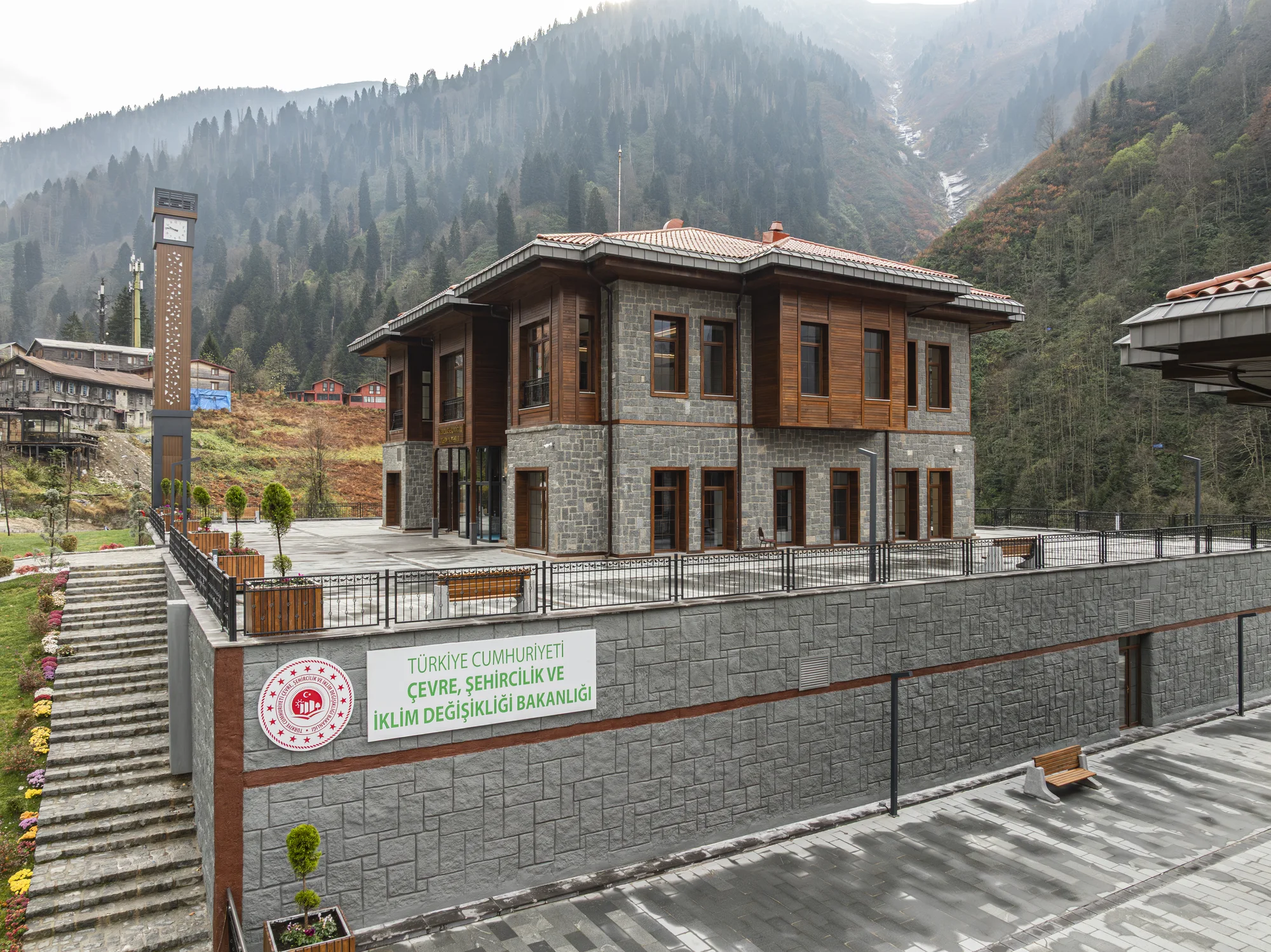 Thermal
Ayder Tenzile Erdoğan Thermal Hotel
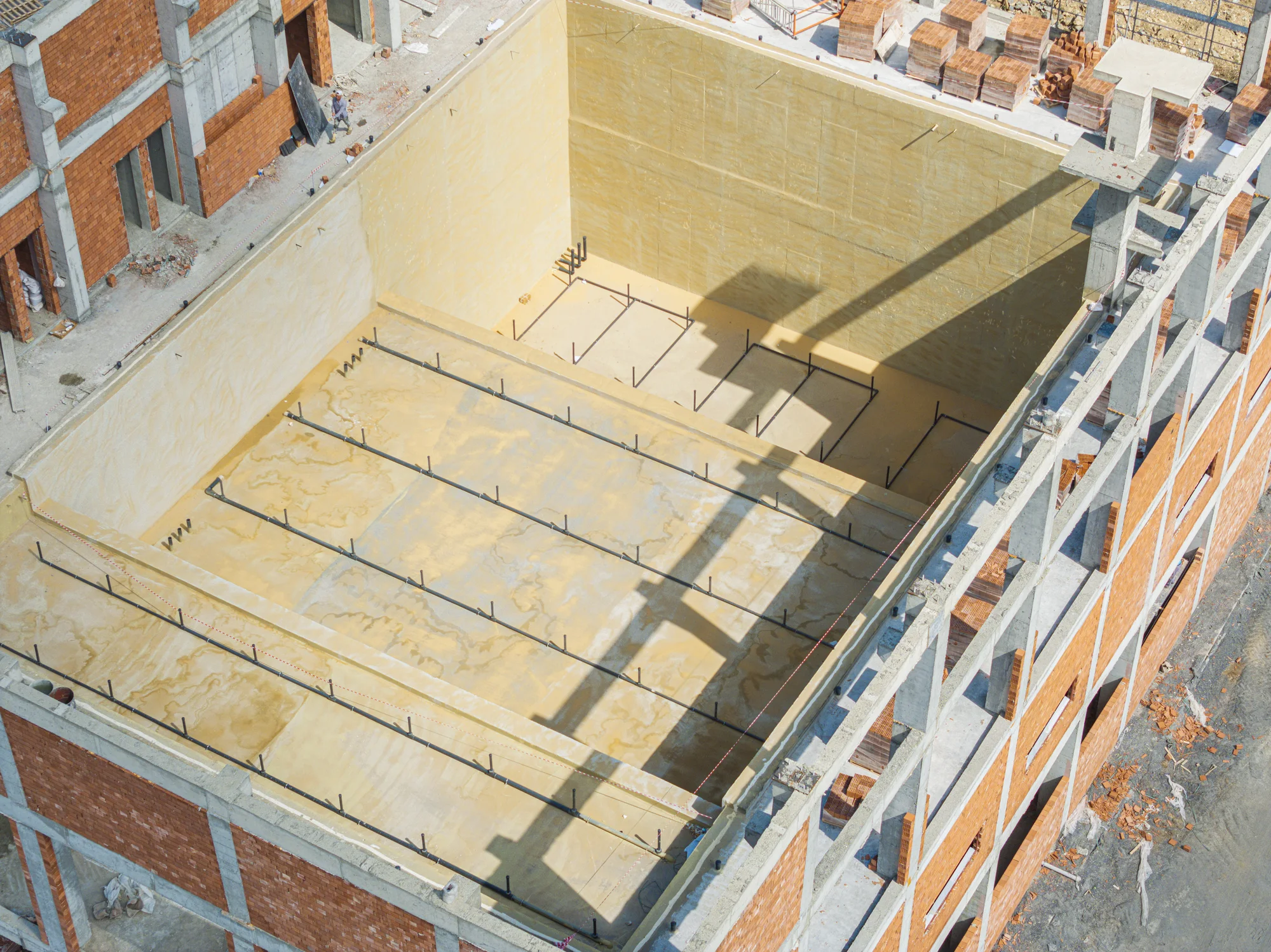
In partnership with TOKİ we delivered 42 wet areas turnkey — a complete spa & wellness composition reaching from pools and thermal pools to sauna, steam room, salt room, jacuzzi and shock shower, and from VIP and suite Turkish hammams to Türkiye's largest göbektaşı hammam.
- Location
- Ayder Plateau / Rize
- Completion
- 2025
 Public Sector
Ministry of National Defence · SAS Training Pool
In Riva we built Türkiye's deepest swimming pool turnkey — 33×22 metres and 10 metres deep. We are proud to have played our part in a facility where our country's heroes will train. The pool's water is disinfected by a 600-gram ozone system — making this Türkiye's largest swimming pool using ozone disinfection.
- Location
- Riva / Istanbul
- Completion
- 2024
 Spa & Wellness
Sofitel Algiers Hamma Garden
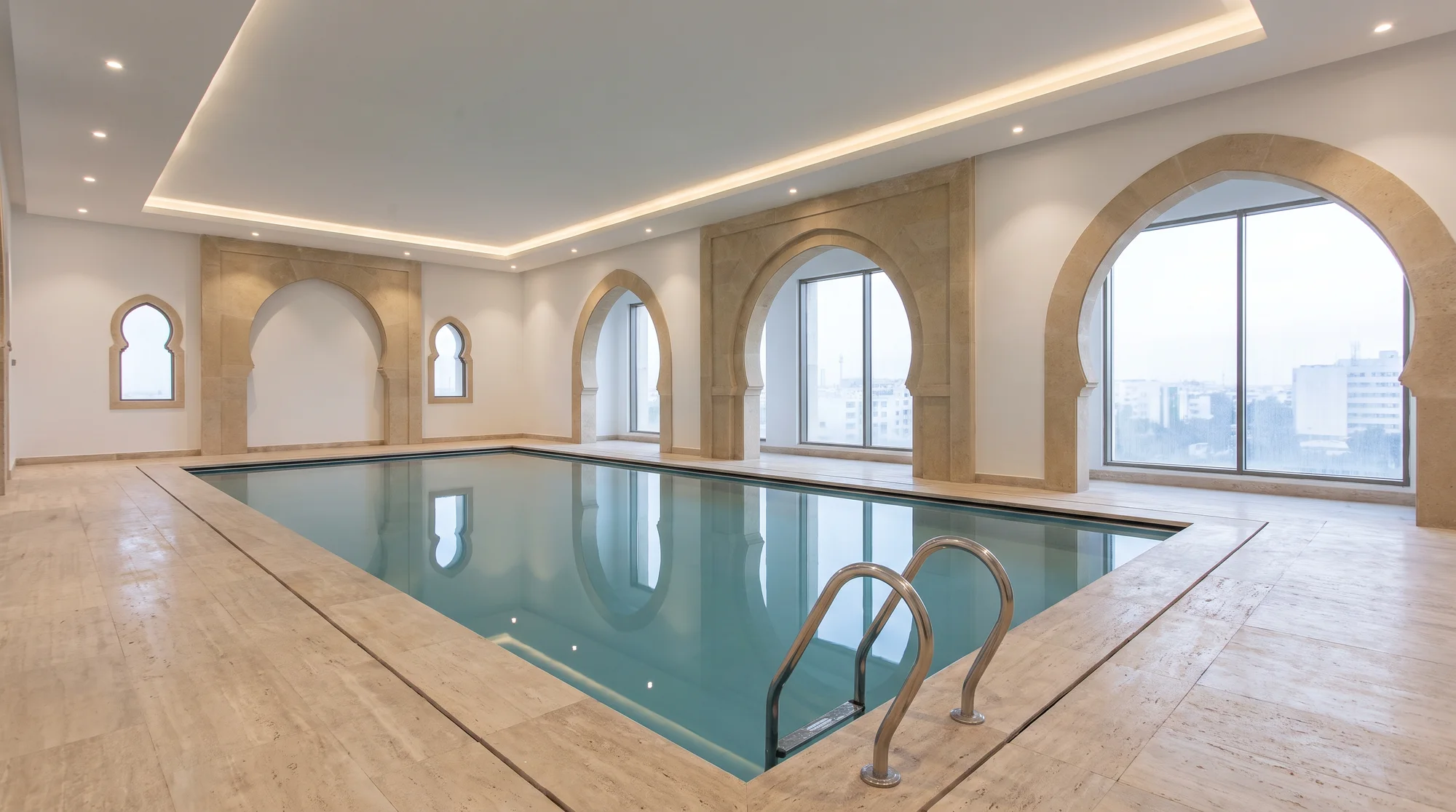
For China State Construction Engineering Corporation (CSCEC) we completed the Sofitel hotel's entire spa turnkey — from pools and hydrotherapy pools to jacuzzi, Vichy shower, Turkish hammam, sauna and massage systems.
- Location
- Algeria
- Completion
- 2020
Frequently Asked Questions
Every question on your mind; answered clearly.
Çilek Havuz Technical Team
Pool & Wellness Engineering
- Response Time
- Same day
- Channels
- Phone · E-mail · WhatsApp
If the answer you are looking for is not here, send your question directly to us and our team will reply as soon as possible.
Book a free site surveyFour main items determine the cost of a salt room: the size of the room, the salt-wall technique (brick, render or granulate finish), the class of halogenerator and the air-conditioning capacity. A back-lit salt-brick wall calls for a higher budget than a rendered solution because of the craftsmanship involved. How dry the existing space is and the state of its electrical infrastructure also affect the calculation; after the free site survey we present every item in writing, with the reasoning behind it.
Çilek Havuz Technical Team
A home salt room with a single lounger can be built in a dry space of a few square metres; in hotel and spa projects, larger areas are preferred so that several people can be seated. Ceiling height matters as much as floor area, because halogenerator capacity is selected on the volume of the room rather than its area. At the survey we draw the most efficient layout for your existing space together with you.
Çilek Havuz Technical Team
Yes; if a dry, ventilable room or basement space is suitable, a salt room can be built at domestic scale. The critical condition is the moisture profile of the space: rooms adjoining a bathroom, or damp spaces, call for additional insulation and air conditioning. With compact halogenerators, an active system can be installed in home projects too; at the survey we measure the suitability of the space and tell you where it stands.
Çilek Havuz Technical Team
No; in a correctly conditioned salt room, maintenance comes down to three items: cleaning the halogenerator hopper and the filters, monitoring the humidity readings, and refreshing the floor salt periodically. Surfaces are cleaned dry rather than with a wet cloth. At handover we provide this routine as a written guide.
Çilek Havuz Technical Team
Where humidity is uncontrolled, yes: salt is hygroscopic, and once relative humidity rises above 60% the surface begins to draw moisture, to sweat and, in time, to lose its form. That is why, in every project, we install the dehumidification and ventilation system before the salt wall. Kept in the 40-60% band, a salt finish keeps its first-day appearance for years.
Çilek Havuz Technical Team
A salt room works at a low temperature in a dry environment, whereas a sauna rests on high dry heat and a steam room on dense humidity. In a salt room the aim is not to sweat but to breathe in the dry salt aerosol produced by the halogenerator while sitting in everyday clothes. The three are therefore not alternatives to one another but spaces that complement each other on a spa floor.
Çilek Havuz Technical Team
In industry practice, adult sessions generally run between 30 and 45 minutes, and are kept shorter for children. The room stays closed during the session, and between sessions a ventilation cycle runs to refresh the air. In hotel and spa operations this rhythm is programmed from the control panel.
Çilek Havuz Technical Team
Two salts stand out for walls and floors: white Çankırı rock salt and pink Himalayan salt. Çankırı salt comes from domestic mines and is chosen for its white-and-grey veined texture, while Himalayan salt is chosen for the amber-pink tone that deepens under back-lighting. The halogenerator hopper, meanwhile, takes the high-purity fine salt specified by the device manufacturer — the decorative salt on the wall is not used in the machine.
Çilek Havuz Technical Team